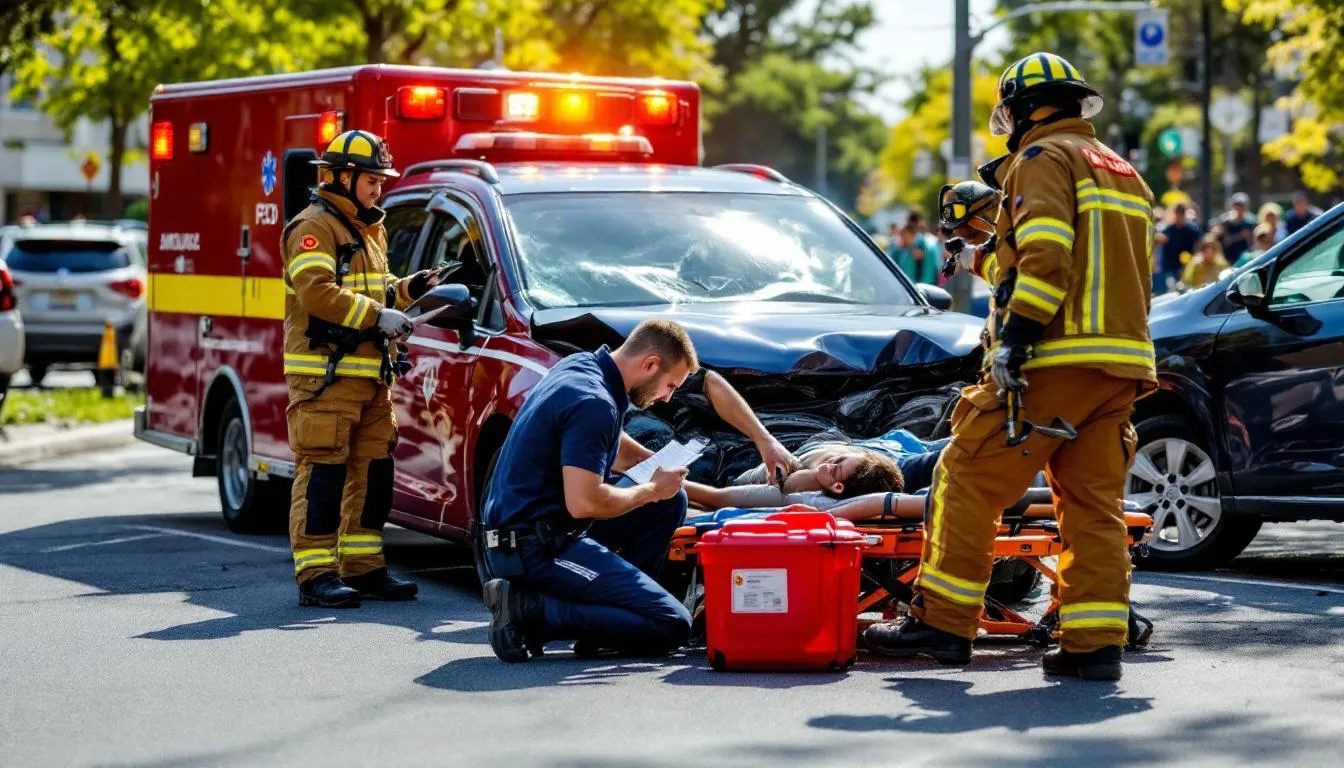
When a commercial vehicle accident occurs in Texas, the consequences are often far more devastating than typical car accidents. Commercial trucks can weigh up to 80,000 pounds when fully loaded, creating massive force during collisions that frequently result in catastrophic injuries and significant property damage. Understanding how commercial vehicle accident settlements work in Texas is crucial for anyone who has been injured in a truck accident.
Commercial vehicle accidents typically result in higher settlement amounts than standard vehicle accidents due to the severity of injuries involved and higher insurance coverage requirements for commercial carriers. Many trucking companies carry insurance policies worth millions of dollars, making substantial settlements possible for victims who pursue fair compensation with proper legal representation.
This comprehensive guide will walk you through everything you need to know about commercial vehicle accident settlement amounts in Texas, the factors that determine your compensation, and the steps you can take to maximize your settlement value.
Average Commercial Vehicle Accident Settlement Amounts in Texas
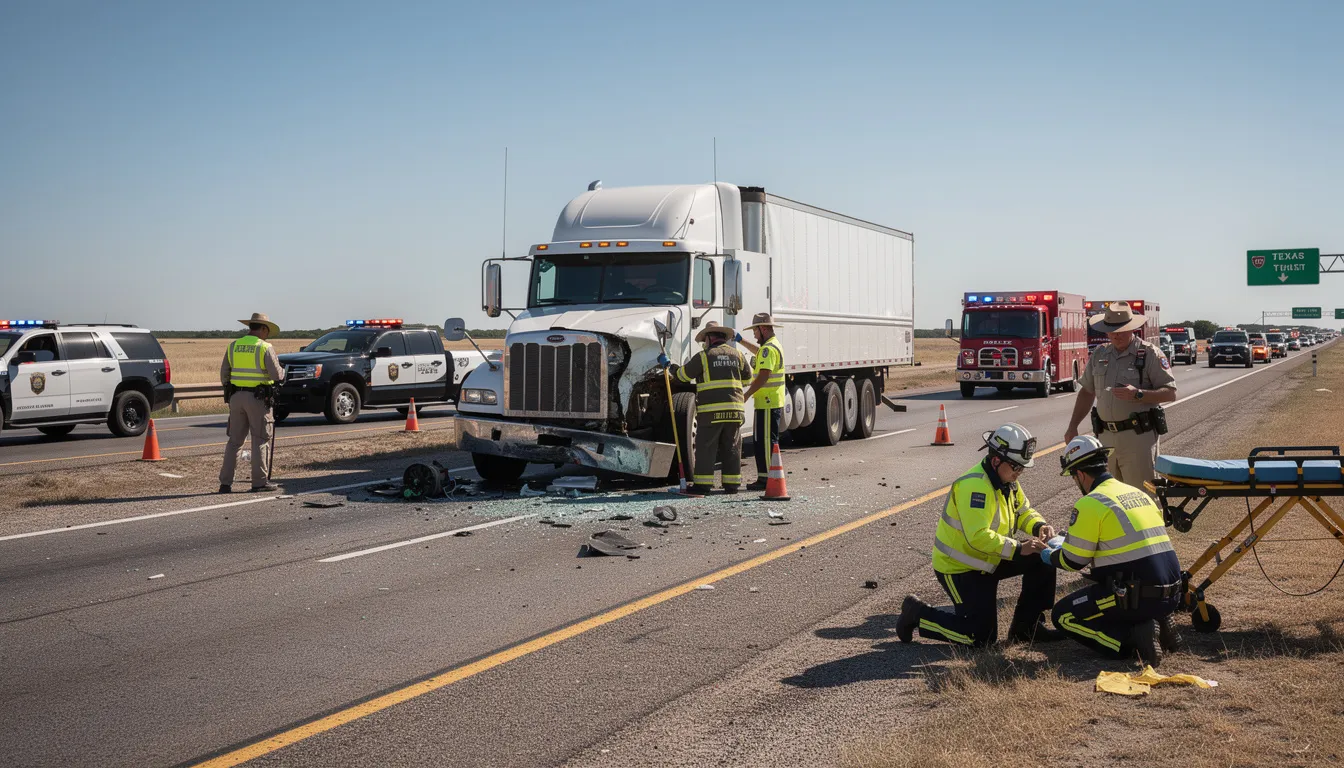
Settlement amounts for commercial vehicle accidents in Texas typically range from $50,000 to over $1 million, depending on various factors including injury severity, liability, and available insurance coverage. The wide range reflects the complex nature of these cases and the significant differences in circumstances between individual accidents.
Minor injury cases involving soft tissue injuries or brief medical treatment average around $25,000 to $40,000 in settlements. However, more severe injuries that require extensive medical treatment, surgery, or long-term rehabilitation often result in settlements ranging from $500,000 to several million dollars.
The Federal Motor Carrier Safety Administration (FMCSA) reports that the average truck accident settlement cost is approximately $123,300, but this figure includes all types of truck accidents, including those without injuries. Cases involving serious injuries or wrongful death consistently exceed this average by substantial margins.
Commercial vehicles operating in interstate commerce must carry minimum insurance coverage of $750,000, while those operating within Texas require at least $500,000 in liability coverage. Many trucking companies maintain excess insurance policies that can provide additional coverage for catastrophic injuries, often reaching into the millions of dollars.
The higher insurance coverage available in commercial truck accidents is one of the primary reasons why truck accident settlements tend to be significantly larger than typical car accident settlements. When severe injuries occur, this additional insurance coverage ensures that victims can receive fair compensation for their extensive medical costs and other damages.
Key Factors That Determine Your Settlement Amount
Several critical factors influence the final settlement amount in commercial vehicle accident cases. Understanding these elements helps victims and their families set realistic expectations while working toward maximum compensation for their injuries and losses.
Commercial vehicle accidents typically yield higher settlements than passenger car accidents because of the massive size difference between vehicles. A loaded commercial truck can weigh 20 to 30 times more than a standard passenger car, creating tremendous force during impact that often results in more severe injuries requiring extensive medical treatment.
Severity of Your Injuries
The extent and severity of your injuries directly correlates with your potential settlement amount. Commercial trucks cause devastating injuries due to their enormous size and weight, with many victims suffering life-altering conditions that require ongoing medical care.
Traumatic brain injuries and spinal cord injuries often result in settlements exceeding $1 million due to the extensive medical costs involved and the permanent nature of these conditions. Victims may require lifetime medical care, adaptive equipment, and assistance with daily activities, all of which factor into the settlement calculation.
Fractures requiring surgical intervention typically result in settlements ranging from $500,000 to $1 million, depending on the specific bones affected, number of surgeries required, and long-term complications. Complex fractures involving multiple bones or joints often require extensive rehabilitation and may result in permanent disabilities.
Soft tissue injuries and whiplash, while less severe than traumatic brain injuries or spinal cord damage, can still result in settlements between $10,000 and $200,000. The final amount depends on the duration of medical treatment, impact on daily activities, and whether the injuries result in chronic pain conditions.
Medical treatment costs and future medical needs directly impact settlement amounts. Insurance companies and opposing attorneys carefully review all medical records, bills, and expert opinions regarding future care requirements when calculating settlement offers.

Liability and Texas Comparative Fault Laws
Texas follows modified comparative fault rules that significantly impact settlement amounts. Under this system, accident victims can recover compensation only if they are found to be less than 51% at fault for the accident. Any compensation awarded is reduced by the victim’s percentage of fault.
For example, if your total damages are calculated at $500,000 but you are found to be 20% at fault for the accident, your final settlement would be reduced to $400,000. However, if you are determined to be 51% or more at fault, you cannot recover any compensation under Texas law.
Commercial drivers often face stricter liability standards due to federal regulations governing their industry. Violations of Federal Motor Carrier Safety Regulations can constitute negligence per se, making it easier to establish fault against the truck driver or trucking company.
Insurance companies frequently attempt to shift blame to accident victims to reduce their liability exposure. They may argue that the victim was following too closely, made an unsafe lane change, or was distracted at the time of the accident. Having strong evidence of the commercial driver’s negligence is crucial for maximizing your settlement.
Common forms of commercial driver negligence include hours of service violations, distracted driving, improper vehicle maintenance, inadequate driver training, and violations of federal safety regulations. An experienced attorney can investigate these potential violations to strengthen your case.
Insurance Coverage and Policy Limits
Federal minimum insurance requirements mandate that interstate commercial carriers carry at least $750,000 in liability coverage, while intrastate carriers must maintain $500,000 in coverage. However, many trucking companies carry excess insurance policies that provide additional protection for catastrophic injury cases.
Available insurance coverage often serves as a practical cap on maximum settlement amounts, unless multiple liable parties are involved. When trucking companies, vehicle manufacturers, cargo loaders, or maintenance contractors share liability, multiple insurance policies may be available to provide compensation.
Understanding the full scope of available insurance coverage requires thorough investigation by experienced legal counsel. Some trucking companies maintain umbrella policies worth millions of dollars, while others carry only the minimum required coverage.
The insurance company handling your claim plays a significant role in settlement negotiations. Commercial insurance carriers typically employ experienced adjusters and defense attorneys who are skilled at minimizing claim payouts through various tactics and legal strategies.
Types of Damages Available in Texas Commercial Vehicle Cases
Texas law recognizes three distinct categories of damages in personal injury cases, including commercial vehicle accidents. Understanding each type helps victims pursue comprehensive compensation for all losses related to their accident and injuries.
Calculating total damages requires careful documentation of all losses, both financial and non-financial. This process often involves working with medical experts, economists, and other professionals who can accurately assess the full impact of your injuries on your life.
Economic Damages
Economic damages represent the quantifiable financial losses directly resulting from your commercial vehicle accident. These damages are typically easier to calculate because they have specific dollar amounts attached to them and can be documented through bills, receipts, and financial records.
Past and future medical expenses form the largest component of economic damages in most commercial vehicle accident cases. This includes emergency room treatment, hospital stays, surgeries, rehabilitation, prescription medications, and any ongoing medical care required for accident-related injuries.
Lost wages and diminished earning capacity compensate victims for income lost due to their injuries. This includes time missed from work during recovery, reduced earning ability due to permanent disabilities, and lost career advancement opportunities resulting from the accident.
Property damage covers the cost of repairing or replacing your vehicle and any personal belongings damaged in the accident. While often the smallest component of commercial vehicle settlements, property damage can still amount to tens of thousands of dollars when expensive vehicles are totaled.
Out-of-pocket expenses include various costs related to your injury and recovery that aren’t covered by insurance. This may include transportation to medical appointments, modifications to your home for accessibility, and assistance with daily activities during your recovery period.
Future medical costs require expert testimony to establish the likely need for ongoing treatment, medication, therapy, and medical equipment. These projections can significantly increase settlement amounts in cases involving permanent injuries or chronic conditions.
Non-Economic Damages
Non-economic damages compensate victims for the intangible losses resulting from their commercial vehicle accident. While these damages don’t have specific dollar amounts attached to them, they often represent the largest portion of settlement amounts in severe injury cases.
Pain and suffering compensation addresses both the physical pain from your injuries and the emotional trauma of experiencing a serious accident. This includes compensation for ongoing discomfort, chronic pain conditions, and the psychological impact of your injuries.
Loss of enjoyment of life recognizes that serious injuries can prevent victims from participating in activities they previously enjoyed. This might include sports, hobbies, travel, or social activities that are no longer possible due to physical limitations or emotional trauma.
Mental anguish, depression, and emotional distress are common after serious commercial vehicle accidents. Many victims experience anxiety, post-traumatic stress disorder, and other psychological conditions that require professional treatment and significantly impact their quality of life.
Disfigurement and permanent disability compensation addresses the lasting physical and emotional impact of scarring, amputation, or other permanent changes to your appearance or physical abilities. These damages recognize that some injuries create lifelong challenges beyond medical costs.
Calculating non-economic damages requires presenting compelling evidence about how your injuries have affected your daily life, relationships, and overall well-being. Personal testimony, family statements, and expert psychological evaluations all play important roles in this process.
Punitive Damages
Punitive damages are awarded only in cases involving gross negligence or extreme recklessness by truck drivers or trucking companies. These damages are designed to punish particularly egregious conduct and deter similar behavior in the future.
Texas law requires clear and convincing evidence of gross negligence to award punitive damages. This is a higher standard than the preponderance of evidence required for compensatory damages, making punitive awards relatively rare in commercial vehicle cases.
Examples of conduct that might warrant punitive damages include drunk driving by commercial drivers, deliberate violations of hours-of-service regulations, knowingly operating unsafe vehicles, or systematic disregard for federal safety regulations by trucking companies.
When punitive damages are awarded, they can significantly increase the total settlement or jury verdict. However, Texas law caps punitive damages at the greater of $200,000 or two times economic damages plus an equal amount of non-economic damages, up to $750,000.
The possibility of punitive damages creates additional leverage during settlement negotiations. Trucking companies and their insurers often prefer to settle cases out of court rather than risk a jury award that includes punitive damages.
The Commercial Vehicle Accident Settlement Process in Texas
Understanding the settlement process helps accident victims navigate the complex legal landscape following a commercial vehicle collision. The process typically unfolds in distinct phases, each requiring specific actions and documentation to maximize your chances of securing fair compensation.
Most commercial vehicle accident cases settle out of court through negotiation between attorneys and insurance companies. However, the threat of litigation often motivates insurance companies to make reasonable settlement offers rather than risk an unpredictable jury verdict.
Initial Investigation and Evidence Collection
The first phase following a commercial vehicle accident focuses on gathering evidence to establish liability and document the extent of damages. This investigation must begin immediately because crucial evidence can be lost or destroyed if not preserved quickly.
Obtaining the police report provides an official record of the accident, including the investigating officer’s observations, witness statements, and any citations issued. While police reports are not admissible in court, they provide valuable information for building your case.
Gathering witness statements and contact information is crucial because witnesses may become difficult to locate as time passes. Independent witnesses who have no stake in the outcome often provide the most credible testimony about how the accident occurred.
Photographing the accident scene, vehicle damage, and visible injuries creates powerful visual evidence that can support your claim. These photos should be taken from multiple angles and include details like skid marks, traffic control devices, and road conditions.
Securing black box data from the commercial vehicle requires immediate legal action because this electronic information is not automatically preserved. The Electronic Control Module (ECM) records crucial data about the truck’s speed, braking, and other factors immediately before the crash.
Obtaining driver logs, maintenance records, and employment history helps establish whether federal regulations were violated. Hours-of-service violations, inadequate vehicle maintenance, and improper driver training can all strengthen your liability claim.
Medical records and expert witness testimony document the extent of your injuries and their long-term impact on your life. This often requires working with medical specialists who can explain complex injuries and treatment needs to insurance adjusters or a jury.
Filing Claims and Negotiation Process
After completing the initial investigation and documenting your injuries, the formal claims process begins with filing claims against the at-fault party’s insurance company. Commercial insurance carriers typically have more resources and experience than standard auto insurers.
Insurance companies often make lowball initial offers that cover only a fraction of actual damages. These offers typically focus on immediate medical bills while ignoring future medical needs, lost earning capacity, and non-economic damages like pain and suffering.
The negotiation phase can take several months depending on case complexity and the insurance company’s willingness to make reasonable offers. Multiple rounds of negotiations are common as both sides work toward a mutually acceptable settlement amount.
Documentation plays a crucial role during negotiations. Medical bills, lost wage statements, expert reports, and evidence of liability violations all support your demand for fair compensation. The strength of this documentation directly impacts your negotiating position.
Mediation may be required if initial negotiations fail to produce a satisfactory settlement offer. During mediation, a neutral third party helps both sides explore settlement options and often facilitates agreements that seemed impossible during direct negotiations.
Litigation When Necessary
Filing a lawsuit becomes necessary when insurance companies refuse to make fair settlement offers through negotiation. The formal litigation process creates additional pressure on insurers and often leads to improved settlement offers.
The discovery phase allows both sides to exchange documents, take depositions, and gather additional evidence about the accident and injuries. This formal process often uncovers information that strengthens your case and increases settlement value.
Most commercial vehicle accident cases settle before reaching trial due to the increased costs and uncertainty associated with jury verdicts. However, the credible threat of trial is often necessary to motivate insurance companies to make reasonable offers.
Trial preparation itself often leads to improved settlement offers as insurance companies recognize the strength of your case and the potential for a large jury verdict. Experienced trial attorneys understand how to use this leverage effectively during negotiations.
When cases do proceed to trial, juries in Texas have awarded substantial verdicts in commercial vehicle accident cases. These precedents create additional motivation for insurance companies to settle rather than risk similar outcomes.
How to Maximize Your Commercial Vehicle Accident Settlement
Taking the right steps immediately after a commercial vehicle accident significantly impacts your ability to secure maximum compensation. The actions you take in the days and weeks following your accident can make the difference between a minimal settlement and fair compensation for your losses.
Understanding what insurance companies look for when evaluating claims helps you avoid common mistakes that reduce settlement amounts. Commercial insurers employ sophisticated techniques to minimize payouts, making proper case preparation essential for success.
Seek Immediate Medical Attention
Documenting all injuries thoroughly from the outset establishes a clear connection between the accident and your medical conditions. Delayed medical treatment allows insurance companies to argue that your injuries were not serious or were caused by something other than the vehicle accident.
Following all recommended treatment plans consistently demonstrates that you are taking your recovery seriously and following medical advice. Gaps in treatment or failure to follow through with recommended therapy can be used against you during settlement negotiations.
Keeping detailed records of all medical expenses and appointments helps establish the full scope of your economic damages. This includes not only major medical bills but also smaller expenses like prescription medications, medical equipment, and transportation to appointments.
Continuing medical treatment until you reach maximum medical improvement ensures that all injuries are properly documented and treated. Settling before completing treatment may result in inadequate compensation for ongoing medical needs.
Working with specialists when necessary provides expert medical opinions about your injuries, prognosis, and future treatment needs. These expert opinions carry significant weight during settlement negotiations and help justify higher settlement amounts.

Preserve and Collect Evidence
Taking photographs of vehicles, injuries, and the accident scene immediately after the crash creates powerful visual evidence that supports your claim. These photos should include multiple angles and document details that might not be apparent to investigators who arrive later.
Obtaining contact information from witnesses ensures that their testimony can be preserved for use during settlement negotiations or trial. Independent witnesses often provide the most credible accounts of how the accident occurred and who was at fault.
Requesting a copy of the police report when available provides an official record of the accident and any citations issued. While these reports are not always admissible in court, they contain valuable information about the investigating officer’s observations.
Documenting property damage and affected personal belongings helps establish the full scope of economic damages from the accident. This includes damage to your vehicle, personal items inside the vehicle, and any other property affected by the crash.
Preserving physical evidence from the scene, when safe to do so, can support your version of events. This might include debris from the commercial vehicle, damaged safety equipment, or other items that demonstrate the severity of impact.
Hire Experienced Legal Representation
Commercial vehicle accident cases involve complex federal and state regulations that require specialized knowledge to navigate effectively. Attorneys experienced in truck accident cases understand these regulations and how violations can strengthen your claim.
Experienced attorneys know how to identify and investigate potential violations of Federal Motor Carrier Safety Regulations. These violations often constitute negligence per se, making it easier to establish liability against the truck driver or trucking company.
Legal representation typically results in settlement amounts that are three to four times higher than those obtained by unrepresented victims. This increase more than covers attorney fees while providing significantly better compensation for accident victims.
Attorneys handle all communications with insurance companies, preventing you from making statements that could harm your case. Insurance adjusters are trained to elicit statements that can be used to reduce liability or settlement amounts.
Having legal representation levels the playing field against well-funded trucking companies and their experienced defense teams. Commercial carriers employ sophisticated legal strategies to minimize their liability exposure, making experienced counsel essential for protecting your interests.
Common Mistakes That Reduce Settlement Amounts
Avoiding critical errors during the claims process protects your right to fair compensation and prevents insurance companies from using your actions against you. Understanding these common mistakes helps you navigate the complex claims process more successfully.
Insurance companies actively look for ways to reduce their liability exposure and settlement costs. They employ experienced adjusters and attorneys who understand how to exploit victims’ mistakes to minimize claim payouts.
Admitting Fault or Making Recorded Statements
Any admission of fault, even partial responsibility, can be used against you under Texas comparative fault laws. Even statements like “I’m sorry” or “I didn’t see the truck” can be interpreted as admissions of liability that reduce your compensation.
Insurance companies often contact accident victims quickly, before they have had time to fully understand what happened or consult with legal counsel. These conversations are designed to obtain statements that can later be used to reduce the insurance company’s liability.
Recorded statements can be taken out of context during settlement negotiations or trial proceedings. What seems like an innocent conversation can become damaging evidence when specific phrases are isolated and presented without full context.
The shock and confusion following a serious accident can affect your memory and judgment. Statements made while you are injured, medicated, or emotionally traumatized may not accurately reflect what actually happened during the accident.
Always consult with an experienced attorney before speaking with insurance adjusters from the trucking company or their insurers. Your attorney can guide you through any necessary communications while protecting your legal interests.
Accepting Early Settlement Offers
Initial settlement offers are typically far below the true value of your case because insurance companies hope to resolve claims quickly and inexpensively. These offers often cover only immediate medical bills while ignoring future needs and non-economic damages.
The full extent of your injuries may not be immediately apparent following a commercial vehicle accident. Some conditions, such as traumatic brain injuries or spinal injuries, may not manifest symptoms until days or weeks after the crash.
Future medical needs and long-term impacts must be considered when evaluating settlement offers. Injuries that seem minor initially may require ongoing treatment, therapy, or even surgery as complications develop over time.
Rushed settlements cannot be undone once settlement agreements are signed and releases are executed. Once you accept a settlement and sign a release, you typically cannot pursue additional compensation even if your condition worsens.
Consulting with medical experts about your prognosis and future treatment needs helps ensure that any settlement adequately covers all related expenses. This evaluation should be completed before considering any settlement offer.
Handling the Claim Without Legal Representation
Commercial insurance companies have teams of experienced lawyers and adjusters working to minimize their financial exposure. Self-represented victims are at a significant disadvantage when facing these well-funded and experienced opponents.
The complex web of federal trucking regulations, state laws, and insurance requirements makes commercial vehicle accident cases particularly challenging for non-attorneys to handle effectively. Missing important legal deadlines or failing to preserve crucial evidence can devastate your case.
Identifying all potentially liable parties requires specialized knowledge of the trucking industry and how different companies and individuals may share responsibility for accidents. Missing liable parties means missing potential sources of compensation.
Calculating the true value of your case requires understanding not only current damages but also future medical needs, lost earning capacity, and appropriate compensation for non-economic damages. Insurance companies often exploit unrepresented victims’ lack of knowledge in these areas.
Texas Statute of Limitations for Commercial Vehicle Accidents
Texas law imposes strict deadlines for filing personal injury lawsuits arising from commercial vehicle accidents. Missing these deadlines typically bars recovery of any compensation, regardless of how strong your case might be or how severely you were injured.
The two-year statute of limitations begins running from the date the accident occurred, not from when you discovered your injuries or completed medical treatment. This deadline applies to all personal injury claims arising from commercial vehicle accidents in Texas.
Understanding these time limits is crucial because insurance companies are aware of them and may delay settlement negotiations hoping that victims will miss filing deadlines. Once the statute of limitations expires, you lose virtually all leverage in settlement negotiations.
Some exceptions exist for minors or cases involving government vehicles, but these exceptions are limited and require specific legal procedures. Consulting with an attorney immediately after your accident ensures that all deadlines are preserved and your rights are protected.
While insurance claims can be filed and pursued at any time, the lawsuit deadline remains firm. Insurance companies know that victims who miss this deadline have no recourse if settlement negotiations fail, dramatically reducing their motivation to make fair offers.
Early legal consultation helps preserve all options within required timeframes and ensures that crucial evidence is collected before it disappears. Many attorneys offer free consultations to discuss your case and explain applicable deadlines.

Why You Need a Texas Commercial Vehicle Accident Attorney
Commercial vehicle accident cases involve unique complexities that require specialized legal knowledge and experience. The stakes are typically much higher than in standard car accidents, making professional legal representation essential for protecting your interests.
Trucking companies and their insurers employ sophisticated defense strategies designed to minimize their liability exposure. Without experienced legal counsel, accident victims often find themselves outmatched by well-funded opponents who understand how to exploit weaknesses in claims.
Understanding Federal Trucking Regulations
Hours-of-service violations are among the most common causes of commercial vehicle accidents, occurring when truck drivers exceed federal limits on driving time or fail to take required rest breaks. These violations often indicate driver fatigue, which significantly increases accident risk. If you are involved in such an incident, be aware of the common mistakes to avoid when making an accident claim.
Vehicle maintenance requirements under federal law mandate regular inspections, repairs, and record-keeping. Violations of these requirements can establish negligence and may indicate systemic problems within trucking companies that contribute to accidents.
Driver qualification standards may reveal that trucking companies hired drivers with poor safety records, inadequate training, or medical conditions that make them unfit to operate commercial vehicles. These violations can support claims for negligent hiring or supervision.
Violations of federal trucking regulations often constitute negligence per se under Texas law, meaning that the violation itself establishes fault without requiring additional proof of negligence. This legal principle significantly strengthens liability claims against commercial carriers.
Understanding how these complex regulations apply to your specific case requires specialized knowledge that most general practice attorneys do not possess. Attorneys who focus on commercial vehicle accidents stay current with changing regulations and enforcement practices.
Investigating Multiple Liable Parties
Truck drivers may be liable for their negligent operation of commercial vehicles, but they are often not the only responsible parties. Trucking companies, vehicle manufacturers, cargo loaders, maintenance contractors, and even brokers may share liability depending on the circumstances.
Trucking companies can be held liable under various legal theories, including respondeat superior (vicarious liability for employee actions), negligent hiring or supervision, and violations of federal safety regulations. These claims often provide access to larger insurance policies and greater compensation.
Vehicle manufacturers may be liable if defective parts or design flaws contributed to the accident. Brake failures, tire blowouts, or steering problems can result in product liability claims against manufacturers in addition to negligence claims against drivers and carriers.
Cargo loaders and shippers may be responsible if improperly secured or loaded cargo contributed to the accident. Overweight loads, shifting cargo, or hazardous materials can create dangerous conditions that cause serious accidents.
Multiple defendants increase available insurance coverage and potential compensation through various insurance policies. However, identifying and pursuing claims against multiple parties requires sophisticated legal strategies and thorough investigation.
Negotiating with Commercial Insurance Companies
Commercial insurance carriers use aggressive tactics to minimize claim payouts, including quick settlement offers, delay tactics, and attempts to shift blame to accident victims. These companies employ experienced adjusters and defense attorneys who specialize in reducing claim costs.
Attorney reputation and trial experience command respect from insurance companies and often result in more reasonable settlement offers. Insurance adjusters know which attorneys are willing and able to take cases to trial, and they adjust their settlement strategies accordingly.
Understanding case value and precedent helps attorneys negotiate effectively by demonstrating the potential costs of proceeding to trial. Insurance companies consider the likely jury verdict when evaluating settlement offers and often increase offers when faced with credible trial threats.
Settlement negotiations require understanding not only the specific facts of your case but also the broader legal landscape, including recent jury verdicts, changes in applicable law, and insurance industry practices. This knowledge helps attorneys position cases for maximum settlement value.
Effective negotiation also involves timing and strategy, including when to make demands, how to present evidence, and when to threaten litigation. Experienced attorneys understand these tactical considerations and use them to maximize client outcomes.
Conclusion
Commercial vehicle accident settlements in Texas involve complex legal, medical, and financial considerations that can significantly impact your ability to secure fair compensation. The average settlement amounts ranging from $50,000 to over $1 million reflect the serious nature of these accidents and the extensive damages they often cause.
Key factors including injury severity, liability determination under Texas comparative fault laws, and available insurance coverage all play crucial roles in determining your final settlement amount. Understanding these factors helps you make informed decisions about your case and set realistic expectations for compensation.
The settlement process itself requires careful navigation from initial evidence collection through final negotiations or trial proceedings. Taking prompt action to preserve evidence, seek appropriate medical attention, and obtain experienced legal representation significantly improves your chances of securing maximum compensation.
Avoiding common mistakes like admitting fault, accepting early settlement offers, or handling complex claims without legal representation protects your rights and ensures that insurance companies cannot exploit your unfamiliarity with the claims process. The two-year statute of limitations adds urgency to taking appropriate legal action.
Given the complexity of federal trucking regulations, multiple liable parties, and sophisticated insurance company defense strategies, experienced legal representation is essential for achieving successful outcomes in commercial vehicle accident cases. The significant difference in settlement amounts between represented and unrepresented victims demonstrates the value of professional legal assistance.
If you have been injured in a commercial vehicle accident in Texas, consulting with an experienced attorney who specializes in truck accident cases provides you with the best opportunity to understand your rights, navigate the complex legal process, and secure the fair compensation you deserve for your injuries and losses.