Hire an Admiralty and Maritime Lawyer Today
If you’ve been injured on a vessel, involved in a collision at sea, or need legal guidance for a complex shipping transaction, time is not on your side. An admiralty and maritime lawyer provides specialized representation for injured seamen, cruise ship passengers, vessel owners, and companies operating in the maritime sector—helping you navigate federal courts, international conventions, and industry-specific regulations that general practitioners simply don’t understand.
Maritime lawyers handle everything from Jones Act claims for offshore workers in the Gulf of Mexico to cargo damage disputes on Atlantic trade routes, vessel arrests in major U.S. ports, cruise ship rape and sexual assault cases, and recreational boating accidents on navigable waters. Whether you need to pursue a personal injury claim, structure a vessel purchase, or respond to a Coast Guard investigation, the right admiralty attorney can protect your interests and maximize your recovery.
Call now for a free maritime case review—our team responds 24/7 for serious maritime emergencies.
What Does an Admiralty and Maritime Lawyer Do?
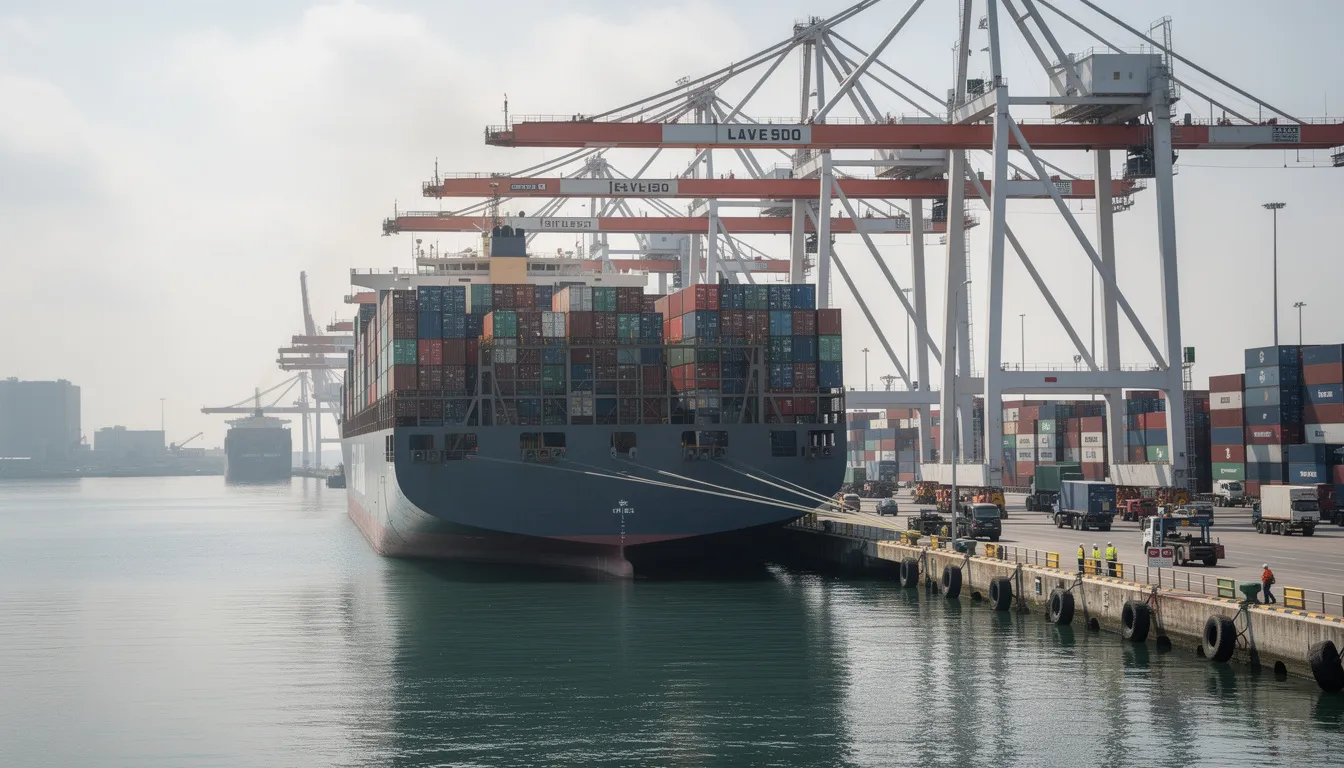
An admiralty and maritime lawyer is a legal professional who specializes in the body of law governing navigation, shipping, offshore energy operations, and maritime commerce under both U.S. domestic statutes and international maritime law. These attorneys possess a deep understanding of admiralty jurisdiction and the unique procedural rules that apply when disputes arise on navigable waters—from the high seas to rivers, lakes, and coastal zones.
Maritime attorneys handle both “wet” work (incidents involving vessels and waterways) and “dry” work (contracts, regulatory compliance, and commercial transactions). Their practice spans:
-
Personal injury litigation for seamen injured under the Jones Act and general maritime law
-
Wrongful death claims arising from maritime casualties
-
Drafting and negotiating charter party agreements, shipbuilding contracts, and bills of lading
-
Closing vessel finance transactions including ship mortgages and Title XI loan guarantees
-
Advising on Jones Act compliance for coastwise trade and cabotage requirements
-
Representing clients before federal agencies including the Federal Maritime Commission, Coast Guard, and National Transportation Safety Board
-
Handling cargo claims for loss, damage, or delay under COGSA and international conventions
-
Prosecuting and defending vessel arrests to secure or release maritime liens
-
Counseling on international trade law, sanctions, and export controls affecting maritime operations
Engage a maritime law firm with experience across both litigation and transactional work to ensure you have comprehensive coverage for any maritime matter.
Maritime Industry Litigation and Dispute Resolution
Maritime lawyers manage complex litigation arising from incidents on oceans, rivers, and ports worldwide. These cases often involve cross-border disputes, multi-jurisdictional claims, and the intersection of federal courts, state court proceedings, and international arbitration—requiring counsel with specialized knowledge of applicable law in each forum.
Dispute resolution in the maritime industry encompasses a wide range of case types:
|
Dispute Type |
Description |
Common Forums |
|---|---|---|
|
Charter party disputes |
Conflicts between vessel owners and charterers over hire, off-hire, and breach |
LMAA (London), SMA (New York) |
|
Cargo claims |
Loss or damage to goods during ocean transit |
U.S. district court, arbitration |
|
Collision and allision |
Vessel-on-vessel or vessel-on-fixed-object incidents |
Federal admiralty courts |
|
Insurance coverage disputes |
Fights over P&I, hull, and cargo policy coverage |
State and federal courts, arbitration |
|
Salvage and general average |
Compensation for rescue operations and shared losses |
London arbitration, federal courts |
|
Maritime liens |
Enforcement of claims for bunkers, repairs, crew wages |
Vessel arrest in federal courts |
Key litigation venues include:
-
U.S. federal courts in New York (Southern District), Houston, Miami, and New Orleans
-
Arbitration under LMAA terms in London for international charterparty disputes
-
Arbitration under Society of Maritime Arbitrators (SMA) rules in New York
-
International Tribunal for the Law of the Sea (ITLOS) for state-to-state disputes
Maritime lawyers also represent clients in white-collar and regulatory investigations tied to maritime operations. These include alleged MARPOL violations, falsified oil record books (commonly called “magic pipe cases”), and enforcement actions by the Department of Justice.
Retain a trial-tested maritime litigator who can prosecute or defend vessel arrest actions and negotiate settlements under English law or U.S. admiralty jurisdiction.
International Trade, Jones Act, and Regulatory Compliance
An admiralty and maritime lawyer helps shipowners, operators, logistics providers, and investors comply with the intricate web of U.S. cabotage rules, international trade regulations, and sanctions regimes that govern global shipping. Failure to maintain regulatory compliance can result in severe penalties, vessel detention, and exclusion from U.S. markets.
Jones Act Compliance Services
The Jones Act (46 U.S.C. § 55102) restricts domestic waterborne commerce to vessels that are U.S.-built, U.S.-owned, U.S.-crewed, and U.S.-flagged. Maritime attorneys provide:
-
Evaluation of vessel ownership structures and vessel documentation to maintain Jones Act eligibility
-
Structuring investments and transactions to satisfy citizenship requirements
-
Preparing U.S.-built, U.S.-flag, and U.S.-ownership legal opinions for lenders and investors
-
Advising on waivers and exemptions when available
International Trade and Sanctions Work
Maritime commerce intersects heavily with trade law and economic sanctions. Admiralty lawyers advise on:
-
OFAC sanctions affecting voyages to Cuba, Iran, Russia, and other restricted destinations
-
Export controls under the Export Administration Regulations (EAR) and International Traffic in Arms Regulations (ITAR)
-
Customs issues before U.S. Customs and Border Protection (CBP) including cargo holds and entry documentation
-
USMCA rules of origin for maritime cargo flows between the U.S., Mexico, and Canada
Key Agencies and Frameworks
|
Agency/Framework |
Role in Maritime Compliance |
|---|---|
|
Maritime Administration (MARAD) |
Vessel documentation, Title XI guarantees, war risk insurance |
|
U.S. Department of Transportation (DOT) |
Oversight of domestic shipping policy |
|
Federal Maritime Commission |
Regulation of ocean common carriers, tariffs, service contracts |
|
U.S. Trade Representative (USTR) |
Trade negotiations affecting maritime commerce |
|
OFAC |
Administration of economic sanctions programs |
Consult a maritime compliance lawyer to structure a Jones Act–compliant investment or review charter routes for sanctions exposure before committing to a voyage.
Vessel Transactions, Financing, and Marine Insurance
An admiralty and maritime lawyer guides buyers, sellers, lenders, and investors through vessel and fleet transactions from initial term sheets through closing and beyond. These commercial transactions require specialized expertise in maritime documentation, financing structures, and insurance coverage that general corporate counsel typically lack.
Transactional Services
Maritime attorneys handle the full lifecycle of vessel transactions:
-
Drafting and negotiating ship sale and purchase agreements based on NSF 2012 (Norwegian Saleform) or similar industry-standard forms
-
Preparing shipbuilding contracts with Gulf Coast, Asian, and European yards
-
Documenting time charters, bareboat charters, and voyage charters
-
Structuring contracts of affreightment (COAs) for long-term cargo commitments
-
Conducting due diligence on vessel condition, classification status, and lien searches
-
Closing vessel purchases including flag registration and vessel documentation
Maritime Financing
Financing vessels involves unique considerations under admiralty law:
-
Preferred ship mortgages documented under U.S. law (46 U.S.C. Chapter 313)
-
Jones Act financing structures for vessels in domestic trade
-
Title XI loan guarantees through MARAD for qualified vessel construction
-
Capital Construction Fund (CCF) programs for tax-advantaged vessel investment
-
Vessel mortgages for foreign-flag fleets with multi-jurisdictional collateral packages
Marine Insurance
Maritime lawyers review and negotiate insurance coverage essential to vessel operations:
|
Policy Type |
Coverage |
|---|---|
|
Hull and Machinery |
Physical damage to the vessel |
|
Protection & Indemnity (P&I) |
Third-party liabilities, crew claims, pollution |
|
Cargo Insurance |
Loss or damage to goods in transit |
|
War Risk |
Losses from war, piracy, terrorism |
|
Loss of Hire |
Revenue loss during vessel repairs |
Instruct a maritime lawyer to close your vessel purchase, document ship mortgage transactions, and review marine insurance coverage before you bind a policy.
Maritime Personal Injury, Jones Act, and Cruise Ship Claims
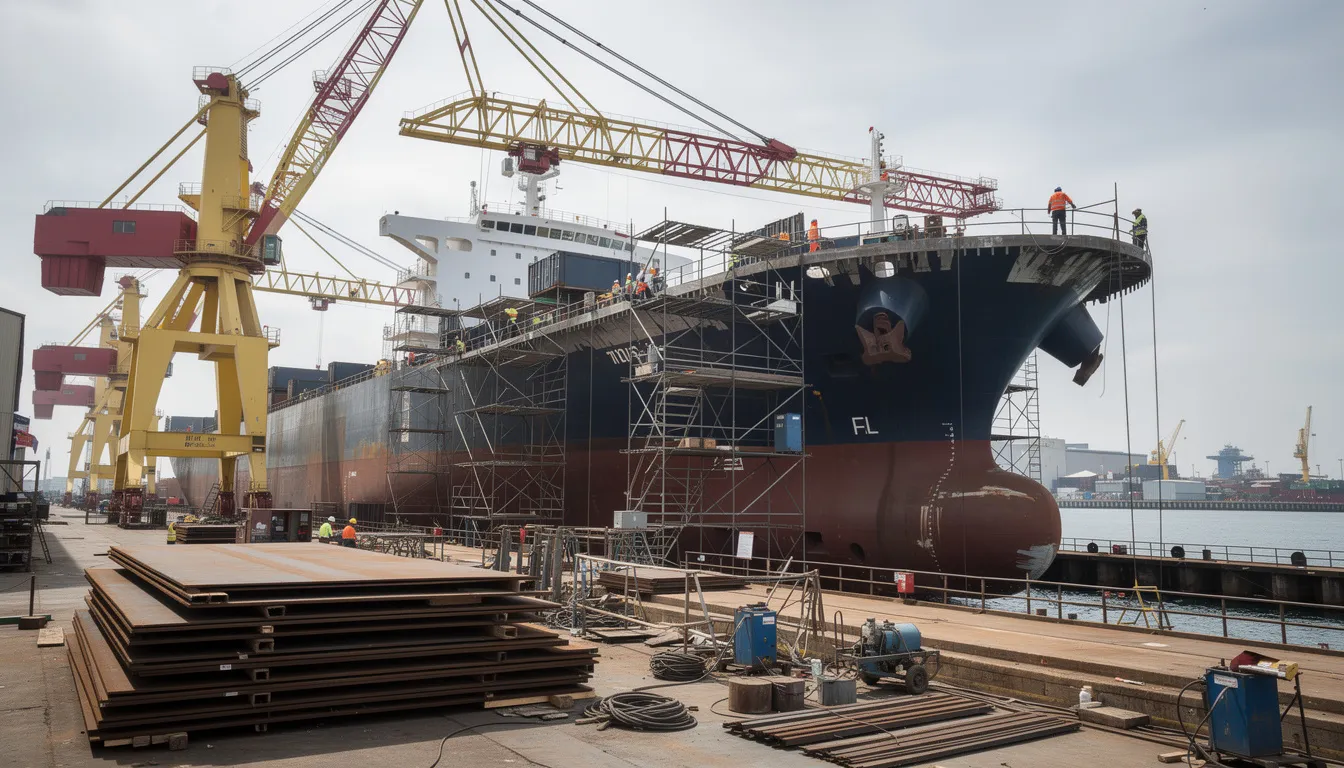
If you’ve been injured while working aboard a vessel, on an offshore platform, or as a passenger on a cruise ship, a maritime lawyer can help you pursue full compensation under laws that provide stronger protections than typical state court remedies. Maritime personal injury cases involve specialized claims that require experienced admiralty lawyers who understand the rights of maritime workers and cruise ship passengers.
Key Claim Types
Jones Act Claims (Seamen)
-
Available to crew members who spend significant time aboard U.S.-flag vessels
-
Allows recovery for employer negligence—similar to railroad workers under FELA
-
No requirement to prove the vessel was “unseaworthy”
-
Average recoveries range from $500,000 to $2 million for severe injuries
Unseaworthiness Claims
-
Strict liability under general maritime law—no need to prove fault
-
Vessel owners must provide a ship reasonably fit for its intended voyage
-
Covers defective equipment, inadequate crew training, dangerous conditions
Maintenance and Cure
-
Injured seamen receive daily stipends for basic living expenses until maximum medical improvement
-
Full medical treatment costs covered regardless of fault
-
Punitive damages available for willful nonpayment (recognized in post-2009 case law)
Cruise Ship Passenger Claims
-
Negligence claims against cruise lines for injuries aboard passenger vessels
-
Covers slips and falls, food poisoning, shore excursion accidents
-
Claims for cruise ship rape and sexual assault by crew or other passengers
-
Strict contract deadlines—often one year or less from incident date
Common Maritime Accident Scenarios
-
Offshore platform explosions and fires in the Gulf of Mexico
-
Falls and equipment injuries on container vessels and tankers
-
Recreational boating accidents on navigable lakes and rivers
-
Shore excursion injuries in the Caribbean and Central America
-
Slip-and-fall accidents on cruise ship pool decks and gangways
Request a free maritime injury consultation today. Hire a Jones Act lawyer before signing any release, and speak to a cruise ship attorney within the contract’s one-year limitation period.
Environmental Compliance and Enforcement for Vessel Owners
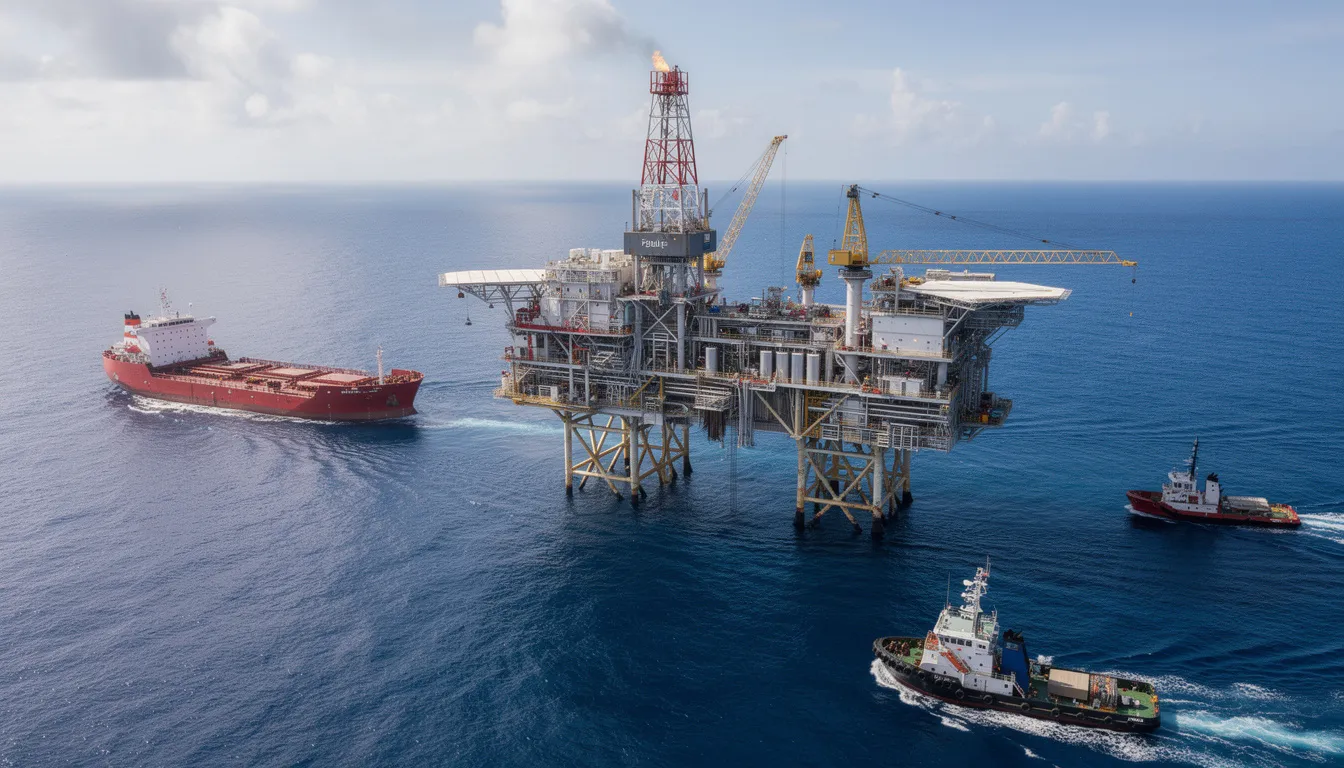
Maritime lawyers help vessel owners, operators, and charterers meet stringent environmental regulations and respond to investigations after alleged pollution incidents. Environmental law in the maritime context carries severe criminal and civil penalties—making proactive compliance and rapid response essential.
Governing Statutes and Conventions
|
Law/Convention |
Key Requirements |
|---|---|
|
Oil Pollution Act of 1990 (OPA 90) |
Liability for oil spill cleanup and damages, response planning |
|
Clean Water Act |
Prohibits unpermitted discharges into U.S. waters |
|
MARPOL Annex I |
International rules on oil discharge prevention |
|
MARPOL Annex VI |
Emissions controls, sulfur limits, EEXI compliance |
|
Act to Prevent Pollution from Ships (APPS) |
Criminal penalties for MARPOL violations in U.S. waters |
Enforcement Scenarios
Maritime lawyers defend clients in enforcement actions including:
-
DOJ prosecutions for illegal discharges and falsified oil record books (magic pipe cases)
-
Coast Guard port state control inspections resulting in vessel detentions
-
EPA civil penalty proceedings for Clean Water Act violations
-
Grand jury investigations targeting chief engineers and ship management
Compliance Services
Proactive environmental compliance programs help protect vessel owners from natural resources damages and criminal exposure:
-
Developing written environmental compliance programs and policies
-
Conducting internal audits of engine room practices and record-keeping
-
Training crew on spill response and MARPOL documentation requirements
-
Preparing response plans for various port authorities and regulatory regimes
-
Negotiating settlements and consent decrees when violations are alleged
Engage an environmental maritime lawyer to prepare your compliance plan, respond to a USCG subpoena, or defend your company in pollution enforcement actions.
Maritime Restructuring, Insolvency, and Vessel Arrests
Shipping is a cyclical industry, and maritime lawyers frequently assist distressed companies, lenders, and creditors through restructurings, workouts, and insolvency proceedings. Understanding maritime liens, vessel arrests, and cross-border recognition of insolvency proceedings is critical when industry downturns put fleets at risk.
Creditor and Lender Representation
Maritime attorneys representing creditors handle:
-
Vessel arrest actions in U.S. federal district courts to secure claims
-
Enforcement of maritime liens for bunkers, repairs, supplies, and crew wages
-
Preferred ship mortgage foreclosure through judicial sales
-
Coordinating with P&I Clubs on club cover and debtor obligations
-
Pursuing personal guarantees from beneficial owners
Debtor-Side Work
For shipping companies facing financial distress:
-
Planning Chapter 11 filings for U.S. shipping companies
-
Negotiating DIP (debtor-in-possession) financing secured by vessel assets
-
Restructuring charter obligations, vessel mortgages, and loan covenants
-
Selling vessels free and clear of liens through bankruptcy court approval
International Dimensions
Maritime insolvency often involves parallel proceedings across jurisdictions:
-
Coordination with insolvency proceedings in England, Singapore, and Hong Kong
-
Chapter 15 recognition of foreign insolvency proceedings in U.S. courts
-
Addressing conflicts between flag-state laws and forum-state enforcement
-
Managing multi-jurisdictional creditor claims and priorities
Retain a maritime insolvency lawyer to restructure vessel debt, engage counsel to arrest a ship to secure your claim, or instruct an admiralty attorney to negotiate a workout with your P&I Club and lenders.
Global Admiralty and Maritime Law Framework
Admiralty and maritime lawyers operate within an intricate framework of international conventions, national laws, and private commercial rules governing the global nature of shipping, navigation, and marine resources. Understanding this framework is essential for industry participants operating fleets across multiple jurisdictions.
Key International Instruments
|
Convention |
Subject Matter |
|---|---|
|
UNCLOS |
Territorial seas, exclusive economic zones, continental shelf rights |
|
SOLAS |
Safety of Life at Sea—construction and equipment standards |
|
MARPOL |
Prevention of pollution from ships |
|
COLREGs |
International collision avoidance rules |
|
Hague-Visby Rules |
Carrier liability for cargo damage |
|
Athens Convention |
Passenger liability for death and injury |
|
Maritime Labour Convention |
Seafarer working conditions and rights |
Organizations and Tribunals
Global maritime matters involve multiple international bodies:
-
International Maritime Organization (IMO) in London—develops shipping regulations
-
International Tribunal for the Law of the Sea (ITLOS) in Hamburg—resolves state disputes
-
Comité Maritime International (CMI)—drafts uniform maritime law conventions
-
Maritime Law Association chapters worldwide (including MLAUS in the United States)
Navigating Different National Regimes
Maritime lawyers help clients operating internationally understand varying legal systems:
-
English admiralty courts in London—historically influential, widely used for arbitration
-
U.S. federal admiralty jurisdiction—unique in rem procedures, Jones Act protections
-
Civil law maritime codes in continental Europe, Latin America, and Asia
-
Flag-state jurisdiction issues for vessels registered in Panama, Liberia, or Marshall Islands
Engage a cross-border maritime law firm to structure international shipping ventures and review multi-jurisdictional voyage and charter structures.
Choosing the Right Admiralty and Maritime Lawyer
Maritime law is highly specialized, and selecting the wrong attorney can mean missed deadlines, inadequate recoveries, or poorly structured transactions. Clients should carefully evaluate counsel’s experience in admiralty jurisdiction and the maritime industry before retaining representation.
Selection Criteria
When evaluating maritime attorneys, consider:
-
Years of focused maritime practice—not general litigation with occasional maritime cases
-
Trial and arbitration record in major ports like New York, Houston, New Orleans, London, and Singapore
-
Agency experience before USCG, Federal Maritime Commission, National Transportation Safety Board, and CBP
-
Industry recognition such as board certification in admiralty and maritime law
-
Publications in maritime law journals and presentations at maritime conferences
-
Memberships in organizations like the Maritime Law Association of the United States (MLAUS) and CMI
Questions to Ask Potential Counsel
|
Question |
Why It Matters |
|---|---|
|
How many Jones Act cases have you handled? |
Demonstrates plaintiff-side personal injury experience |
|
Have you worked with cruise lines on contracts governed by Florida law? |
Shows cruise ship passenger claim expertise |
|
What is your record in vessel arrest and release proceedings? |
Confirms maritime lien enforcement capability |
|
Do you handle both litigation and transactional maritime work? |
Ensures comprehensive representation |
|
Which law firms do you consider industry leaders in this space? |
Tests knowledge of competitive landscape |
Finding the Best Lawyers
Look for firms recognized in admiralty and maritime rankings by leading publications. The best law firms in this practice area combine:
-
Litigation strength for maritime claims and private maritime disputes
-
Transactional capability for vessel sales, charter parties, and vessel documentation
-
Regulatory expertise for maritime affairs and Coast Guard matters
-
International reach for global shipping operations
Schedule a strategy session with a maritime attorney, compare fee structures before you hire, and retain the firm that offers both litigation strength and transactional maritime experience.
Contact an Admiralty and Maritime Lawyer for a Free Consultation
Whether you’ve been injured at sea, need counsel for a complex vessel transaction, or face a regulatory investigation, we invite you to contact our team for a free, no-obligation consultation. Our admiralty lawyers represent clients’ interests across the full spectrum of maritime matters—from personal injury litigation to commercial transactions and environmental law compliance.
How to Reach Us
-
Dedicated maritime phone line staffed for urgent matters
-
Secure online contact form for detailed case submissions
-
Video consultations available for international shipowners, offshore workers, and cruise ship passengers worldwide
Time Limits Matter
Maritime cases carry strict limitation periods that can bar your claim if missed:
|
Claim Type |
Typical Deadline |
|---|---|
|
Jones Act and general maritime law injury claims |
3 years |
|
Cruise ship passenger injury claims |
1 year (per ticket contract) |
|
Cargo claims under COGSA |
1 year from delivery |
|
Collision notice requirements |
Often 6 months |
|
Maintenance and cure demands |
Varies by circumstance |
We Serve Clients Nationwide and Internationally
Our leading law firm represents clients near major ports including:
-
Miami and Fort Lauderdale (cruise lines headquarters, Caribbean trade)
-
Los Angeles/Long Beach (trans-Pacific container shipping)
-
New York/New Jersey (Atlantic trade, financial centers)
-
Houston and New Orleans (Gulf of Mexico energy sector, petrochemical shipping)
-
Seattle (Alaska cruise industry, Pacific Northwest trade)
-
International (Caribbean, Mediterranean, Asia-Pacific maritime operations)
Book your free maritime case review today. Speak with an admiralty lawyer now and retain experienced counsel before you negotiate with a cruise line, insurance company, or opposing party. Your business objectives and legal action depend on timely, expert representation.