When you’re injured due to someone else’s negligence, the aftermath can feel overwhelming. Between managing medical treatment, dealing with insurance companies, and worrying about lost wages, knowing where to turn for help matters. Personal injury lawyers who specialize in accident cases navigate these challenges daily, protecting injured victims while pursuing the financial compensation they deserve.
This guide walks you through what to do after an accident, how accident attorneys build strong claims, and what to expect from the legal process.
What to Do Immediately After an Accident (And When to Call an Accident Attorney)
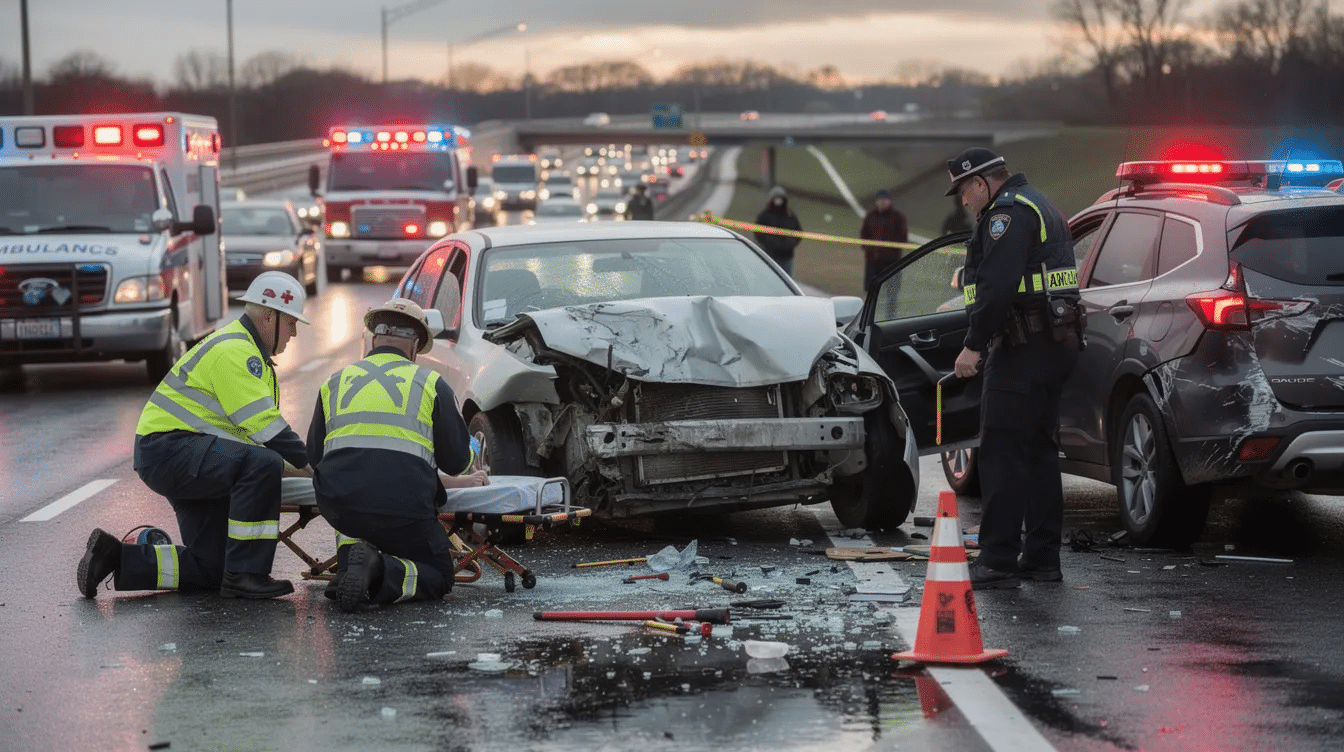
The first 24 to 72 hours after a car crash, fall, or workplace incident are critical for both your health and your legal rights. Evidence like surveillance footage, vehicle black box data, and witness recollections can disappear quickly if not preserved.
At the scene, follow these steps:
-
Call 911 for any emergency and request a police report documenting the incident
-
Exchange insurance and contact information with other parties
-
Avoid admitting fault or apologizing, even casually
-
Take photos and videos of vehicle positions, damage patterns, skid marks, road conditions, and any visible injuries
-
Collect names and contact information from witnesses
Seek medical attention the same day, even if your pain seems minor. In no-fault PIP states like Florida, delays beyond 14 days can forfeit coverage entirely. Untreated issues like whiplash often worsen and become harder to connect to the accident later.
When to contact an accident attorney:
Reach out immediately after receiving emergency medical care—before speaking with any insurance adjuster, signing written statements, or authorizing release of your medical records.
Many reputable personal injury attorneys offer a free consultation and work on a contingency fee basis, meaning you pay nothing unless there’s a financial recovery. Early attorney involvement preserves time-sensitive evidence and prevents insurers from pressuring you into quick, undervalued settlements.
How an Accident Attorney Helps You After a Crash or Injury
An accident attorney’s core role encompasses protecting your rights, handling insurer negotiations, documenting damages, and preparing your personal injury case for trial if settlement fails.
Specific tasks your lawyer performs include:
-
Obtaining the police report, EMT records, and hospital documentation
-
Gathering employment records to prove lost wages
-
Securing photos and videos from the scene
-
Coordinating with medical providers to ensure treatment is documented
-
Working with accident reconstruction experts when needed
-
Consulting economists to calculate lifetime earnings impact for serious injury cases
Experienced attorneys manage all communication with the insurance company to shield you from tactics designed to minimize payouts. Adjusters often pressure injured victims into accepting quick settlements averaging around $37,000 for car accident cases—far below what many claims are worth.
A strong personal injury attorney prepares every serious case as if it may go to trial. This approach typically leads to better pre-trial settlement offers, since insurers settle 96 to 97 percent of claims to avoid juries awarding higher amounts through pain and suffering multipliers.
Leading law firm teams have recovered millions in verdicts and settlements across auto collisions, trucking accidents, workplace injuries, and premises liability cases. That track record matters when negotiating with large insurers.
Choosing the Right Attorney for Your Accident Case
Not every lawyer focuses on accident law. Specialization and trial readiness directly affect case outcomes, with vehicle accident plaintiffs winning 61 percent of cases when properly represented.
What to look for:
|
Factor |
What to Ask or Verify |
|---|---|
|
Specialization |
Do they routinely handle cases similar to yours (car, truck, premises)? |
|
Results |
Can they show documented verdicts, settlements, and client testimonials? |
|
Day-to-day handling |
Will a partner or associate manage your file? |
|
Communication |
How often will you receive updates? |
|
Trial experience |
Have they tried cases in relevant state courts and are they willing to face a jury? |
|
Fee structure |
What’s the contingency fee percentage? Are costs advanced? What happens with no recovery? |
|
Standard contingency fee agreement terms range from 25 to 40 percent, with many firms advancing all case costs. You owe nothing if there’s no settlement or verdict. |
The right personal injury lawyer combines toughness in negotiation with clear communication and empathy toward injured clients. During your consultation, ask key questions before hiring a personal injury attorney and notice whether they provide straight answers or make unrealistic promises about specific dollar amounts.

Common Types of Attorney Accident Cases
The term “attorney accidents” typically refers to lawyers handling personal injury claims arising from negligence and, in some cases, strict liability where fault doesn’t need to be proven.
Case type distribution:
-
Motor vehicle accidents: 52% of all personal injury cases
-
Medical malpractice: 15%
-
Product liability: 5%
-
Other cases (premises, workplace, bites): 28%
Common case categories include:
-
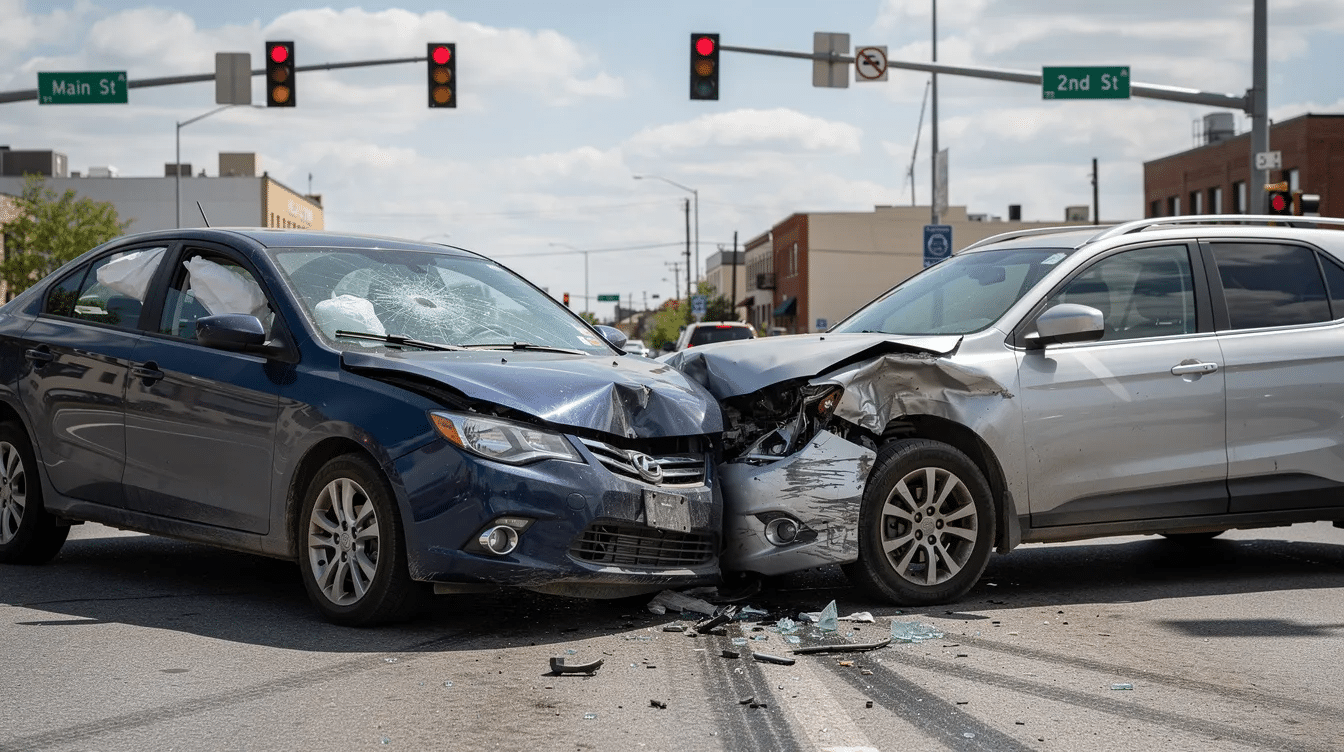
Car and automobile crashes: rear-end collisions, T-bone crashes at intersections, distracted-driving incidents
-
Trucking and commercial vehicle collisions: involving federal safety regulations, logbooks, and corporate defendants
-
Motorcycle accidents and pedestrian accidents: severe injuries due to lack of protection, frequent disputes about fault
-
Premises liability: slip-and-fall on ice, wet floors, broken stairs, falling merchandise
-
Workplace and construction site accidents: often coordinated with workers’ compensation claims
-
Additional cases: dog bite incidents, nursing home neglect, and defective products causing burns, fractures, or head injuries
Each case type requires specific expertise. An experienced accident attorney providing legal support after a crash approaches evidence differently than one handling a construction site fall or a medical malpractice case.
Car and Motor Vehicle Accident Attorneys
Car, SUV, and motorcycle crashes rank among the most frequent cases injury attorneys handle nationwide. Top car crash attorney advice on getting help after an accident is especially critical when serious injuries are involved. In 2024, approximately 39,345 fatalities and over 5 million medically consulted injuries occurred from automobile accidents.
How auto accident attorneys investigate fault:
-
Review police crash reports for diagrams and witness statements
-
Obtain traffic camera footage when available
-
Analyze skid marks indicating speed and braking
-
Examine vehicle damage patterns
-
Interview witnesses while memories remain fresh
Typical damages in a car accident case:
-
Emergency room and follow-up medical bills
-
Physical therapy and rehabilitation costs
-
Vehicle repair or total loss compensation
-
Lost wages during recovery
-
Pain and suffering
-
Future medical care needs
Insurance coverage details matter. Your personal injury attorney will examine bodily injury liability limits, uninsured motorist and underinsured motorist coverage, and medical payments coverage. Many car accident victims don’t realize they may have multiple policies that apply.
Timeline considerations:
Most states allow two to five years to file a car accident lawsuit, but insurance notifications and evidence gathering must happen much sooner. Waiting allows crucial evidence to disappear and memories to fade.
Experienced auto injury lawyers who handle accident claims negotiate regularly with large insurers and file suit in county or federal court when a fair settlement isn’t offered.
Truck, Motorcycle, and Commercial Vehicle Accident Claims
Trucking and motorcycle cases often involve higher stakes due to catastrophic injuries and multiple insurance policies, making guidance from a dedicated car accident attorney focused on seeking justice especially important when passenger vehicles are involved.
Trucking accidents present unique challenges:
Common causes include driver fatigue from hours-of-service violations, speeding, improper loading, equipment failure, and poor maintenance. Skilled truck accident attorneys review:
-
Driver qualification files
-
Hours-of-service logs and GPS data
-
Company safety histories
-
Black box data showing speed and braking
Federal FMCSA regulations create additional liability pathways against carriers, brokers, and maintenance companies.
Motorcycle accident cases:
Riders face specific obstacles including drivers failing to yield, unsafe lane changes, and juror bias against motorcyclists. An experienced accident attorney knows how to overcome these challenges by presenting clear evidence of the opposing party’s negligence and traffic laws violations.
Commercial vehicle claims:
Accidents involving delivery vans, rideshare vehicles, or company cars may invoke corporate policies, employer vicarious liability, and higher insurance limits. Hiring an accident firm for a car accident case ensures a seasoned attorney identifies every responsible party—driver, employer, vehicle owner, maintenance provider—to maximize available compensation.
Workplace, Construction, and On-the-Job Accident Attorneys
Understanding the difference between workers’ compensation claims and third-party personal injury lawsuits is essential for injured workers seeking maximum compensation, and experienced legal injury advocates for personal injuries can help identify every available path to recovery.
Workers’ compensation basics:
-
Provides benefits without proving employer negligence
-
Covers medical care and a portion of lost wages
-
Available to most employees regardless of fault
Third-party liability opportunities:
Accident attorneys look beyond workers’ comp for additional recovery. On construction sites, negligent subcontractors, equipment manufacturers, or property owners may be held liable separately.
Common workplace accidents:
-
Falls from scaffolding (over 450,000 injuries and 865 deaths annually)
-
Forklift collisions
-
Crane failures
-
Electrocutions
-
Trench collapses
-
Injuries from unguarded machinery
According to OSHA data, a workplace death occurs every 99 minutes in the United States. In 2023, approximately 2.6 million nonfatal workplace injuries were reported.
Critical steps after a workplace injury:
-
Report the injury to supervisors immediately
-
Seek medical treatment and document everything
-
Photograph unsafe conditions
-
Contact an experienced attorney before settling any claims
Skilled legal teams coordinate workers’ comp benefits with any personal injury claim to avoid benefit offsets and maximize the injured person’s total financial recovery.
Premises Liability, Nursing Home, and Dog Bite Accident Cases
Many accident cases involve unsafe property conditions, vulnerable residents, or uncontrolled animals rather than vehicle accidents.
Premises liability accidents include:
-
Slips on liquid spills in retail stores
-
Trips on broken sidewalks
-
Falls on icy parking lots
-
Injuries from missing handrails or poor lighting
To win a premises liability case, your attorney must typically prove the property owner knew or should have known about the hazard and failed to correct it or warn visitors. Success rates hover around 39 percent, with average payouts near $90,000.
Nursing home accident cases:
These involve falls from beds or wheelchairs, pressure sores from neglect, malnutrition, and injuries from lack of supervision. Attorneys use state regulations and facility records—including staffing levels and incident reports—to demonstrate systemic neglect.
Dog bite and animal attack cases:
Typical injuries include lacerations, infections, and permanent scarring. With a 67 percent success rate, these cases often recover through homeowner’s or renter’s insurance coverage. Emotional injuries from animal attacks may also factor into compensation.
Medical, Brain Injury, and Wrongful Death Accident Representation
Some accident cases involve severe or permanent injuries requiring attorneys experienced in complex medical and financial issues.
Traumatic brain injury cases:
Brain injuries can arise from car crashes, falls, sports incidents, or defective products. These often involve long recovery periods, cognitive impairment, and significant lifestyle changes. Accident attorneys work with neurologists, neuropsychologists, and life-care planners to demonstrate the lifetime impact.
Medical malpractice cases carry a 19 percent success rate but average $679,000 in payouts when successful—reflecting the challenges of proving negligence against medical standards.
Wrongful death claims:
Families pursue compensation after a fatal accident caused by another’s negligence, seeking recovery for:
-
Funeral and burial costs
-
Loss of financial support
-
Loss of companionship
-
The decedent’s pain and suffering before death
Building complex cases:
These cases require extensive evidence collection, including expert testimony and accident reconstruction. Top attorney at law personal injury representation helps ensure attorneys review medical records and consult independent doctors to determine whether standards of care were violated.
Fees, Timelines, and What to Expect When You Hire an Accident Attorney
Most accident attorneys use a contingency fee structure, advancing case costs and collecting payment only from successful recoveries.
Fee structure breakdown:
|
Phase |
Typical Percentage |
|---|---|
|
Pre-lawsuit settlement |
25-33% |
|
After filing lawsuit |
33-40% |
|
Trial |
40%+ |
|
Initial consultations and case evaluations are almost always free. Clients owe nothing if there’s no recovery. |
General phases of a personal injury lawsuit:
-
Investigation and medical treatment period
-
Demand letter and negotiation with insurers
-
Filing lawsuit if needed
-
Discovery (document exchange, depositions)
-
Mediation or settlement conference
-
Trial if no settlement reached
Realistic timeframes:
Many straightforward cases settle within 6 to 18 months. Complex or heavily disputed claims involving permanent injuries can take several years to reach resolution. Only 3 to 4 percent of personal injury cases actually proceed to trial.
Strong documentation helps your claim:
-
Consistent medical treatment and complete medical records
-
Incident reports and police reports
-
Photographs of injuries and accident scenes
-
Employment records proving lost wages
Once you have legal representation, you can focus on healing while your legal team handles strategy, deadlines, and insurance company communications.
When to Reach Out to an Accident Attorney and How to Prepare for Your Consultation
Don’t wait until an insurer denies or underpays your injury claim before consulting an attorney. Early involvement often produces better outcomes.
Contact an accident attorney immediately when:
-
You sustained a serious injury requiring ongoing medical treatment
-
Fault is disputed between parties
-
Multiple vehicles or parties were involved
-
A commercial truck or company vehicle caused the accident
-
A hit-and-run driver fled the scene
-
Any potential for long-term disability exists
What to bring to your first meeting:
-
Police report and any incident documentation
-
Photos of the accident scene, vehicles, and injuries
-
Medical bills and treatment records
-
Health insurance information
-
Pay stubs documenting income
-
Letters or documents from insurance companies
Personal injury law guidance on questions to ask during consultations can help you prepare effectively.
Questions to ask during consultation:
-
What’s the expected case strategy?
-
How will we communicate, and how often?
-
Who will be my primary contact on the legal team?
-
Based on similar past cases, what’s a realistic timeline?
-
What are my legal options if we can’t settle?
Take notes during the consultation. Choose a trial lawyer who provides clear, direct explanations rather than unrealistic promises about specific dollar amounts, and consider the broader role of a personal injury law firm in your case when evaluating who should represent you.
An early, no-obligation conversation with an accident attorney can clarify your rights, prevent costly mistakes, and set your personal injury claim on the right path from day one. If you’ve been injured and believe someone else is at fault, reaching out to an experienced personal injury law firm costs nothing—and could make the difference between a lowball settlement and the maximum compensation you deserve.