Picking the wrong car accident lawyer costs real money. Picking the right one can triple your recovery. This guide walks through every step of finding, evaluating, and hiring the best auto accident lawyer for your case in 2026, whether you are dealing with a minor fender bender or a life-altering crash.
Key Takeaways
-
Attorneys secure 3.5 times more compensation for clients on average; the Insurance Research Council found represented claimants netted roughly $52,000 versus about $17,600 for those without a lawyer.
-
Most personal injury lawyers and law firms work on a contingency fee basis, so you pay nothing upfront and owe no attorney fee if the car accident claim is unsuccessful.
-
Hiring an experienced accident lawyer early, ideally within days of an auto accident, preserves evidence, prevents harmful statements, and protects your legal rights before insurance adjusters start pushing for a quick settlement.
-
The best auto accident lawyer for you is the one with strong client reviews, proven results in motor vehicle accidents (including serious injury and wrongful death cases), and clear, responsive communication.
-
This guide covers how to evaluate attorneys step by step, what to do after a minor car accident or a serious crash, and how to recognize and counter common insurance company tactics.
What Makes the “Best” Auto Accident Lawyer in 2026?
Choosing the right auto accident lawyer can affect your claim outcome more than almost any other single decision you make after a car crash. In 2026, car accident cases are more complex than they were even five years ago. Distracted driving incidents keep climbing. Rideshare liability questions remain tangled. Event data recorders and telematics now generate electronic evidence that requires specialized knowledge to recover and interpret.
A “best car accident attorney” label means little if it is based only on advertising spend. In practical terms, the best car accident lawyers share a few traits: consistent results in car accident cases with documented settlements and verdicts, deep experience in personal injury law, strong client reviews across multiple platforms, and a commitment to personal service rather than assembly-line case processing. Clients with lawyers receive over three times the recovery compared to those without, so the quality of the attorney you choose is not a minor detail.
Look past billboards and TV commercials. Real quality indicators include a track record of six- and seven-figure recoveries, peer recognition from organizations like the National Trial Lawyers, clean disciplinary records with the state bar, and published case outcomes. A law firm willing to show its work, in verdicts, in client testimonials, in educational content, is a stronger bet than one that relies on slogans alone.

Do I Really Need an Accident Lawyer After a Car Accident?
Even a minor car accident can spiral into a complicated insurance dispute, and getting the help of a specialized car accident attorney after a crash can significantly increase both the value of your claim and your ability to navigate the process. Injuries that are not immediately apparent, such as concussions, soft tissue damage, or internal bleeding, often surface days or weeks later. By then, an insurer may have already recorded your statement, obtained a release, or closed the file.
Hiring a car accident lawyer is strongly recommended when:
-
You sustained serious injuries or were hospitalized
-
Fault is disputed between drivers
-
The accident involved commercial vehicles, rideshare, or delivery trucks
-
The at fault driver is uninsured or underinsured
-
The crash resulted in a wrongful death
According to the Insurance Research Council, attorneys increase settlements by 3.5 times on average. Represented bodily injury claimants received average payments of about $16,658, versus $4,699 for those without counsel. After fees and expenses, the net recovery gap persisted: roughly $52,000 for represented clients compared to about $17,600 for unrepresented ones. Victims without attorneys receive lower settlements across nearly every category of claim. Roughly 85% of settled car accident claims involve an attorney, and claimants with lawyers recover 300% more than those without.
For very minor property-damage-only collisions with no injuries and undisputed fault, you may be able to negotiate directly with the insurer. But most personal injury attorneys offer free consultations. Consulting one within 24 to 72 hours of the crash helps preserve evidence, flags potential hidden injuries, and keeps you from making statements to insurance adjusters that could undermine your claim later, and many firms offer a car accident lawyer free consultation so cost is not a barrier to getting informed advice.
Immediate Steps to Take After an Auto Accident
What you do in the first minutes and hours after a car accident directly affects the strength of your accident claim. Follow this sequence:
-
Call 911 to ensure a police report is filed. Even if the accident seems minor, a police report creates an official record of the accident scene, the vehicles involved, and any witness statements.
-
Check yourself and passengers for injuries. Seek medical attention immediately after the accident, even if you feel fine. Whiplash, concussions, and internal injuries often are not immediately apparent.
-
Move to a safe location if possible, but do not leave the accident scene.
-
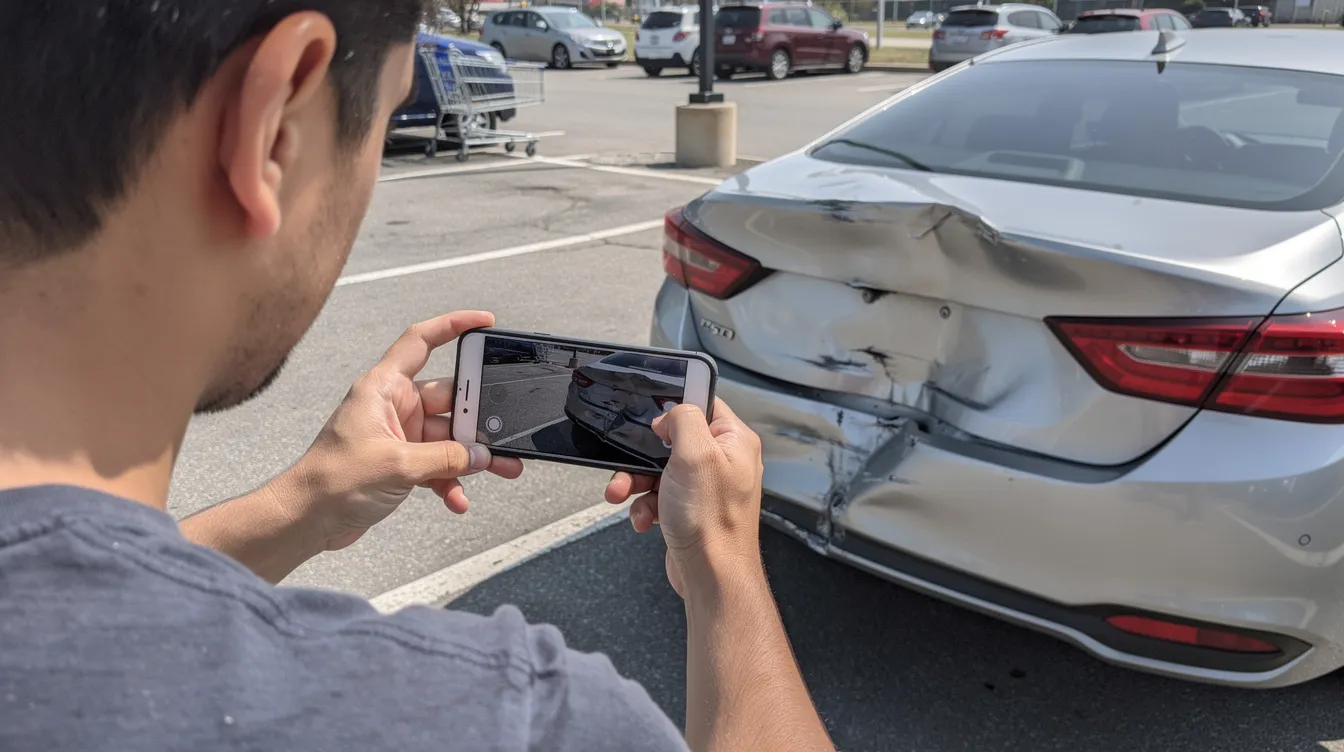
Document the accident scene with photographs. Capture all vehicles, license plates, road conditions, weather, traffic signs, skid marks, debris, and any visible physical injuries.
-
Collect names, phone numbers, and insurance details from all drivers and witnesses.
-
Do not admit fault or speculate about what happened, either at the scene or when speaking with insurers.
-
Do not give a recorded statement to insurers before consulting an attorney. Insurance adjusters often seek recorded statements to undermine claims, and anything you say can be used to reduce your payout.
-
Contact a personal injury lawyer as soon as possible. A law firm can dispatch an investigator to secure surveillance footage, download event data recorder information, and preserve electronic evidence before it is overwritten or lost, and auto injury lawyers who focus on accident claims are equipped to coordinate this process efficiently.
How to Know If You Have a Valid Auto Accident Claim
Most car accident claims hinge on three elements: liability (who was at fault), causation (whether the accident caused the injuries), and damages (the financial, physical, and emotional harm you suffered).
Evidence that supports liability includes:
-
The police report and any citations issued
-
Traffic camera or dashcam footage
-
Phone records showing distracted driving
-
Accident reconstruction analysis
-
Witness statements from the accident scene
Damages that typically justify hiring an accident lawyer include medical bills, future medical treatment costs, lost wages, future lost wages, loss of earning capacity, pain and suffering, emotional distress, and property damage.
Certain claim types carry unique challenges. Hit-and-run cases require uninsured motorist coverage analysis. Drunk driving crashes may open the door to punitive damages. Rideshare accidents involve layered insurance policies between the driver and the platform. Pedestrian and cyclist accidents often require crosswalk or city infrastructure evidence.
State law matters. Some states follow no-fault insurance rules. Others apply comparative negligence, which reduces your recovery if you share partial fault. Contact a car accident lawyer as soon as possible so they can evaluate how your state’s rules affect your accident claim and act as your key to seeking justice after a car accident.
Types of Motor Vehicle Accidents a Car Accident Lawyer Handles
The best car accident attorneys handle a wide range of crash scenarios, and each type brings different liability questions and insurance structures, which is why hiring an experienced accident firm for your car accident case can be so valuable.
Common crash types include:
-
Rear-end collisions
-
T-bone and side-impact crashes
-
Head-on collisions
-
Multi-vehicle pileups
-
Rollovers
-
Hit-and-run accidents
-
Intersection crashes
Specialized cases require deeper expertise:
-
Commercial truck crashes (which involve federal trucking regulations and larger insurance policies)
-
Motorcycle accidents
-
Rideshare collisions (Uber, Lyft) where accidents involve dual-layer insurance
-
Delivery vehicle accidents; in one 2026 Massachusetts case, a jury awarded $56 million to a man catastrophically injured by an Amazon delivery van
-
Government or municipal vehicle crashes, which carry shorter notice deadlines
Different accident types affect available insurance coverage and potential case value. Attorneys focusing on personal injury and motor vehicle collisions provide specialized knowledge of how to identify all liable parties and all available coverage. Experienced personal injury lawyers coordinate with reconstructionists, engineers, and medical specialists tailored to the specific motor vehicle accident.
Common Injuries in Auto Accident Cases
Physical and psychological injuries from car accidents drive both immediate treatment costs and long-term compensation calculations.
Typical physical injuries include:
-
Whiplash and soft tissue damage: whiplash is common in rear-end collisions and can take months to heal. Soft tissue injuries like sprains and strains are frequent in car accidents of all severities.
-
Broken bones: car accidents can result in broken bones requiring extensive care, surgery, and rehabilitation.
-
Herniated discs and spinal cord injury: herniated discs can lead to back pain and limb weakness after a crash. A spinal cord injury can result in partial or complete paralysis.
-
Traumatic brain injuries: head injuries from crashes may cause long-term cognitive problems, ranging from concussions to severe TBI.
-
Internal organ damage: organ damage can occur from blunt force trauma in car accidents, and symptoms may not appear for hours or days.
-
Lacerations and burns
Emotional and psychological harm is compensable in many personal injury cases. PTSD, anxiety, depression, and sleep disturbances are common among accident victims and car accident victims who experienced serious accidents or witnessed traumatic events.
Thorough medical documentation from day one is critical. Attend all follow-up appointments, keep receipts for every medical expense, and maintain a pain journal describing daily symptoms so that an experienced accident attorney can fully present your damages during negotiations or at trial. In catastrophic injuries and wrongful death cases, retaining a highly experienced auto accident lawyer is essential because lifetime care projections and future earnings calculations become central to the claim.

What an Auto Accident Lawyer Actually Does for You
A car accident attorney does far more than file paperwork. The role is strategic from day one.
Core tasks include:
-
Investigating the crash: gathering police reports, interviewing witnesses, obtaining surveillance and dashcam footage, and downloading event data recorder information
-
Preserving and analyzing evidence before it degrades or disappears
-
Identifying all liable parties, including the at fault driver, vehicle owners, employers, and manufacturers
-
Calculating full damages, both economic (medical expenses, lost wages, future lost wages) and non-economic (pain and suffering, emotional distress)
Once retained, the lawyer handles all communications with insurance companies, defense attorneys, and medical providers. This shields the injured person from pressure tactics and prevents mistakes that could reduce the claim’s value.
If the case requires litigation, the auto accident lawyer files the lawsuit in the appropriate state and federal courts, takes depositions, works with expert witnesses, conducts settlement negotiations, and takes cases to trial when insurers refuse fair offers.
Seasoned personal injury lawyers also negotiate medical bill reductions and liens. If a health insurance company or medical provider holds a lien against the settlement, a skilled injury attorney can often negotiate that lien down, increasing the net recovery to the injured victim.
Understanding Contingency Fees and Legal Costs
Most car accident lawyers and law firms use a contingency fee model. This means the injured person pays no upfront fees and owes nothing if the case is unsuccessful. Most personal injury attorneys work on a contingency fee basis.
Here is how it works: the attorney receives a percentage of the final recovery, specified in a written fee agreement before representation begins. Common ranges are roughly 33% if the case settles before a lawsuit is filed and up to 40% if the case goes to trial. California contingency fees are typically 33% pre-litigation.
Costs separate from the attorney’s fee include:
-
Court filing fees
-
Expert witness fees
-
Medical records retrieval charges
-
Deposition transcript costs
-
Investigator expenses
Reputable firms typically advance these costs and deduct them from the recovery at the end. Whether costs are subtracted before or after the attorney’s percentage is calculated affects your net payout. On a $100,000 settlement with $20,000 in costs, calculating the fee after deducting costs leaves the attorney with roughly $26,667; calculating it before deducting costs yields about $33,333. That difference comes directly from your share.
Understanding the fee agreement is essential before signing with an auto accident lawyer. Ask for a written agreement that states the percentage, how costs are handled, and what happens if the case produces no recovery. Be cautious of any accident lawyer who demands a large retainer or hourly billing for a standard personal injury case without a clear explanation.
How to Research and Compare Car Accident Lawyers
Finding the best auto accident lawyer takes structured research, not a random click on the first billboard you see.
Start with these methods:
-
Referrals from trusted sources: friends, family members, or colleagues who have been through a car accident claim can point you toward reliable personal injury attorneys. Referrals from trusted sources can help in finding reliable attorneys for auto accident cases.
-
Recommendations from other attorneys, such as a family lawyer or business attorney who knows the personal injury field
-
Consult local bar associations to find licensed personal injury attorneys in your area. Bar directories confirm active licenses and flag disciplinary history.
-
Reputable lawyer directories (Avvo, Martindale-Hubbell, Super Lawyers) that display more than paid listings
Review attorney and law firm websites for detailed biographies, published case results, and educational content about car accident law. A personal injury firm that invests in explaining the legal process to potential clients is more likely to communicate well during your case.
Scrutinize client reviews on Google, Avvo, Yelp, and the BBB. Look for consistent themes around responsiveness, results, and professionalism. Interviewing multiple attorneys can help compare experience and fee structures before deciding. Build a shortlist of three to five auto accident lawyers and schedule a free consultation with each.
It is important to verify an attorney’s credentials and disciplinary history before hiring. Every state bar association maintains a public database.
Red Flags: Warning Signs of the Wrong Accident Lawyer
Not every attorney or law firm will be a good fit. Some warning signs should send you elsewhere.
Watch for these red flags:
-
High-pressure sales tactics during the initial call or consultation
-
Guarantees of a specific dollar amount before reviewing any evidence
-
Refusal to explain fees clearly or reluctance to provide a written fee agreement
-
Vague answers about who will actually handle your case (you may be speaking with a senior partner but your file lands with a paralegal)
Chronic communication problems are another warning sign. If calls go unreturned for days, answers are evasive, or you are shuffled between case managers without notice, your claim is likely not getting the attention it needs.
Be alert to “settlement mill” characteristics: massive advertising budgets, minimal direct attorney contact, and a strong push for quick, low-value settlements. These operations process high volumes and often leave accident victims with less than their cases are worth.
If you experience these issues, you can often switch to another car accident lawyer without starting over, subject to state rules on attorney liens.
Key Questions to Ask Before Hiring a Car Accident Lawyer
A structured list of questions levels the playing field during free consultations. Bring these to every meeting, and consider additional important questions to ask before hiring a personal injury attorney so you fully understand how they will handle your case:
-
How many motor vehicle accidents cases like mine have you personally handled in the past five to ten years?
-
What percentage of your practice is dedicated to personal injury and car accident law?
-
Will I primarily work with you or with a case manager?
-
How quickly can I expect responses to calls or emails?
-
What are the strengths and weaknesses you see in my specific accident claim?
-
What is your trial experience? Attorneys should clarify trial experience, not just settlement amounts, when discussing cases.
-
How do you structure your contingency fee, and what costs should I expect?
-
How often will I receive updates on settlement negotiations or litigation milestones?
These questions help you separate an experienced attorney from one who handles car accidents as a sideline. Pay attention not just to the answers but to how the lawyer listens and whether they ask detailed questions about your case in return.
Evaluating Client Reviews and Case Results
Client reviews and case results offer real-world proof of a lawyer’s performance beyond marketing language.
Look for patterns in reviews across several years. Consistent comments about responsiveness, compassion, clear explanations, and satisfaction with outcomes carry more weight than a handful of five-star ratings posted in the same week. Negative reviews matter too; check whether the firm responded professionally and addressed the concern.
Large verdicts and settlements, such as six- and seven-figure recoveries in serious injury or wrongful death cases, indicate experience with complex litigation and negotiation. For reference, a California case involving two children killed in a hit-and-run resulted in $176 million in wrongful death and emotional distress damages plus $21 million in punitive damages. A Miami jury ordered Tesla to pay over $240 million for a fatal crash involving Autopilot. These are outliers, but they illustrate the range of what skilled personal injury attorneys can achieve.
A lack of public case results does not always mean inexperience, but transparency about general outcomes is a positive sign. In your consultation, ask for anonymized examples of similar cases the firm has handled and what made them successful.
How Location and Local Experience Affect Your Case
Many personal injury lawyers advertise nationally, but local experience still matters in car accident cases. A law firm familiar with local courts, judges, mediators, and the common tactics of local insurance adjusters brings advantages that a remote firm cannot replicate.
Traffic patterns, dangerous intersections, and regional insurance regulations differ from city to city and state to state. An attorney in Southern California, for instance, will know the tendencies of the judges in Los Angeles Superior Court and the typical behavior of adjusters at regional insurance offices. Under California law, specific procedural rules and deadlines apply that may differ from those in other states.
For serious motor vehicle accidents, the right car accident attorney often combines statewide reach with specific local courtroom experience. Confirm that any lawyer you consider is licensed in the state where the crash occurred. If the accident happened in a state where you do not reside, ask whether the firm works with local co-counsel.
Special Considerations for Minor Car Accidents
Many people are unsure whether to call a lawyer after a minor car accident with seemingly small vehicle damage or no immediate pain. The uncertainty is reasonable, but caution pays off.
Soft tissue injuries, whiplash, and concussions can develop or worsen days after a crash. Emergency room visits often focus on ruling out life-threatening conditions and may miss injuries that appear later. Early documentation and medical evaluation protect you if symptoms escalate.
Insurance companies often make low initial settlement offers after minor accidents, banking on the assumption that you will accept before you know the full extent of your injuries. Adjusters may pressure victims to settle quickly after an accident, before follow-up imaging or specialist appointments reveal the real picture. Insurance companies use tactics to deny or undervalue claims, including arguing that damage was too small to cause harm.
Consider a consultation even for a minor car accident if you experience new or worsening symptoms, miss work, face disputed liability, or encounter any pushback from the appropriate insurance company. Many law firms offer free, no-obligation reviews so injury victims can understand options before accepting a settlement or signing a release.
Dealing with Insurance Companies After an Auto Accident
Insurance adjusters are trained to protect corporate profits. Even when they sound friendly, their job is to close your file for as little money as possible.
Common tactics include:
-
Requesting recorded statements early, often before you have seen a doctor or spoken to a lawyer
-
Asking leading questions about your pain level or daily activities
-
Urging quick settlements before full medical evaluation is complete
-
Suggesting you do not need a lawyer
-
Insurance companies often make low initial settlement offers, sometimes within days of the car crash
-
Adjusters may pressure victims to settle quickly after an accident, before the full scope of injuries is known
Limit your communication with the insurer to basic claim reporting (date, time, location, vehicles involved) until you speak with an auto accident lawyer. Avoid guessing about injuries, fault, or the extent of vehicle damage.
Once a car accident lawyer is retained, the law firm normally takes over all direct communication with insurance companies and tracks all offers and demands in writing. Hiring an attorney helps protect against insurance company tactics. A well-prepared accident claim, backed by medical records and expert opinions, gives the lawyer leverage to negotiate far better settlements than what the insurer initially puts on the table.

Understanding Damages in Car Accident Cases
“Damages” means all the ways the auto accident has harmed you financially, physically, and emotionally.
Common economic damages include:
-
Emergency treatment, surgeries, and hospitalizations
-
Physical therapy and rehabilitation
-
Medications and assistive devices
-
Medical expenses already incurred and future treatment costs
-
Lost wages and future lost wages
-
Loss of future earning capacity
-
Vehicle repair or replacement and other property damage
Non-economic damages include:
-
Pain and suffering
-
Emotional distress
-
Loss of enjoyment of life
-
Loss of consortium
-
Disfigurement or permanent injuries
In rare cases of extreme misconduct, such as drunk driving, reckless street racing, or intentional harm, punitive damages may be available under state law. The best car accident attorneys consider both current and future needs, working with medical, vocational, and economic experts to estimate lifetime costs and pursue the maximum possible compensation for the injured victim.
Claimants with lawyers recover 300% more than those without representation. That gap reflects not only better negotiation but also more thorough documentation of every category of loss.
Wrongful Death Claims After a Fatal Auto Accident
Some car accidents tragically result in death. Surviving families may have wrongful death and survival claims against the at fault driver, a vehicle manufacturer, or other liable parties.
Who can file varies by state. Typically, spouses, children, parents of minor children, or the personal representative of the estate may bring a wrongful death claim. Potential damages include funeral and burial expenses, loss of financial support, loss of companionship, and, in some jurisdictions, the conscious pain and suffering of the deceased before death.
Choosing a personal injury lawyer or law firm with proven experience in wrongful death litigation matters because the stakes and complexity are higher, and many families benefit from attorneys who specialize in wrongful death cases rather than general practitioners. Lifetime financial projections, expert testimony on lost household contributions, and emotional distress valuations for surviving family members all require specialized preparation.
Families should seek legal help early so evidence is preserved and statutes of limitations are not missed during a time of grief. In many states, wrongful death deadlines are as short as one to two years from the date of death.
How Long Do Auto Accident Cases Take?
Timelines vary based on injury severity, liability disputes, insurance limits, and whether a lawsuit is filed. There is no single answer, but general stages are predictable.
A typical case moves through:
-
Initial investigation and medical treatment (weeks to months)
-
Demand package preparation and negotiation with the insurer (weeks to months)
-
Filing a lawsuit if negotiations fail (adds months to a year or more)
-
Discovery phase: interrogatories, document requests, depositions
-
Mediation or settlement conferences
-
Trial, if necessary
Simple claims with clear liability and moderate injuries sometimes resolve within a few months. Complex, high-value cases or those involving disputed liability, catastrophic injuries, or multiple parties can take one to three years or more. Only about 3% to 5% of auto accident tort cases reach trial; the rest settle beforehand.
Rushing to settle before reaching maximum medical improvement can leave you under-compensated for future medical treatment and lost income. Ask potential lawyers for a realistic timeline based on similar past personal injury cases, understanding that no exact promise is possible.
Statutes of Limitations and Critical Deadlines
A statute of limitations is the legal deadline to file a personal injury or wrongful death lawsuit after an auto accident. Miss it, and you lose the right to pursue compensation in court, regardless of how strong your claim is.
Most states set deadlines of one to three years for standard car accident injuries. California’s statute of limitations for personal injury claims is two years from the date of injury. Some states impose shorter deadlines when government entities are involved, sometimes as few as 30 to 180 days for a notice of claim.
Auto accident claims often involve strict deadlines and need timely action to address evidence preservation as well. Other time-sensitive requirements include no-fault or PIP notice deadlines, uninsured motorist notice provisions, and internal insurance timelines that can affect coverage.
Consult a car accident lawyer as soon as possible after the crash so all applicable deadlines are identified and met; a local car accident lawyer who offers a free consultation can quickly explain which time limits apply in your situation. Waiting until a deadline is close creates unnecessary risk and limits the attorney’s ability to build the strongest case.
How to Work Effectively with Your Auto Accident Lawyer
The attorney-client partnership works best when both sides communicate clearly and promptly. Effective communication is crucial in the attorney-client relationship during legal processes.
Your responsibilities as a client:
-
Be honest about your medical history, prior injuries, and any previous personal injury claims. Surprises hurt your credibility.
-
Attend all medical appointments and follow your treatment plan. Gaps in treatment give insurers ammunition to argue your injuries are not serious.
-
Provide requested documents quickly: medical bills, medical records, pay stubs, tax returns, and correspondence from insurance companies.
-
Update the law firm on any changes in your health, employment, or contact information.
Keep a dedicated folder (physical or digital) with all accident-related documents: medical bills, receipts, insurance correspondence, and a running list of questions for your accident lawyer.
Ask for periodic status updates and clarify your preferred communication method, whether that is phone calls, email, text, or an online portal, and remember that a dedicated personal injury law firm can manage the entire legal process so you can focus on recovery. Clear expectations about goals, such as whether you prioritize a fast settlement or maximum possible compensation, help the lawyer shape the negotiation strategy from the start.
When a Lawsuit and Trial Become Necessary
Many motor vehicle accidents settle without trial, but some require litigation to reach fair value. Common reasons a lawsuit becomes necessary:
-
The insurer denies fault entirely
-
The insurer claims your car accident injuries are unrelated to the crash
-
The offer severely undervalues your damages
-
Coverage disputes arise between multiple insurance companies
If your auto accident lawyer files suit, expect formal complaints, discovery (interrogatories, document requests, depositions), independent medical exams requested by the defense, and pretrial motions. The case proceeds through these stages before reaching trial.
Insurance companies monitor lawyers based on their trial readiness and track record. An attorney known for taking cases to verdict in state and federal courts often receives better settlement offers because insurers want to avoid the unpredictability of a jury. Plaintiffs win approximately 58% of automobile accident trials. That risk, combined with the cost of defending a trial, motivates many insurers to settle once they recognize the lawyer is prepared to go the distance.
Most reputable personal injury lawyers prepare every serious case as if it will go to trial, even though the large majority resolve before that point.
Changing Lawyers in the Middle of a Car Accident Case
Sometimes clients realize their current accident lawyer is not the right fit. Communication has broken down, the attorney is pushing for a quick low settlement, or case strategy feels wrong.
In many states, injured people have the right to change attorneys during an ongoing case. You can switch attorneys at any time under California law, for example, though specific rules on attorney liens and fee-sharing vary by jurisdiction.
Common reasons for switching include chronic lack of communication, pressure to accept low offers, or a mismatch in expectations about the claims process and case strategy.
Before firing your current lawyer, consult with the prospective new car accident lawyer first. The new counsel will explain how they handle notifying the prior attorney and address any attorney lien from the former law firm. A smooth transition preserves momentum in your accident claim and avoids gaps in representation that could harm your case.
Frequently Asked Questions About Finding the Best Auto Accident Lawyer
These FAQs address common concerns not fully covered in the sections above. Each answer is written in plain English with practical guidance for injury victims.
How soon after a car accident should I contact a lawyer?
Contact a car accident lawyer within a few days of the crash, once emergency medical needs are addressed. Early involvement allows the law firm to preserve evidence at the accident scene, advise on medical documentation, and prevent damaging statements to insurers. Most personal injury attorneys offer free consultations, so there is little downside to calling early.
Can I afford the best car accident attorney if I’m out of work?
Most auto accident lawyers work on a contingency fee basis. You pay no upfront fees and owe nothing at all if there is no recovery. The fee is a percentage of the settlement or verdict, agreed upon in writing before representation begins. During your free consultation, ask how litigation costs are handled and whether the firm advances expenses like expert witness fees and medical record retrieval.
What if the insurance company already made me an offer?
Do not accept or sign anything until an accident lawyer reviews the offer. Insurance companies often offer low initial settlement amounts before the full extent of injuries is known. Early offers routinely undervalue long-term medical needs, future lost income, and pain and suffering. A car accident lawyer can compare the offer to realistic case value based on similar motor vehicle accidents and advise whether to negotiate or reject it.
Do I have a case if my injuries seem minor right now?
Minor car accidents can still cause real injuries that worsen over time. Soft tissue injuries and concussions are common examples of conditions that may appear small at first but develop into serious problems. Seek medical evaluation and document symptoms from day one. A personal injury lawyer can review your medical records and accident details to determine if an accident claim is worthwhile.
How do I choose between several good car accident lawyers?
Compare experience with similar car accident cases, communication style, client reviews, and your comfort level during consultations. Ask each experienced attorney how they would approach your specific case and what concerns they see. Trust and clear communication with your chosen auto accident lawyer are just as important as past case statistics. Negligent drivers cause harm every day; the lawyer who makes you feel informed, heard, and confident in their strategy is usually the right one.