When a traumatic brain injury occurs, the decisions made in the first hours and days can determine the trajectory of recovery for months or even years to come. Each year, approximately 2.5 million people visit emergency departments across the United States due to traumatic brain injuries, making effective treatment protocols essential for optimal outcomes.
Brain injuries treatment encompasses a complex spectrum of interventions, from immediate life-saving emergency care to years-long rehabilitation programs. The approach varies dramatically based on injury severity, affected brain regions, and individual patient factors. Understanding this comprehensive treatment landscape can help patients, families, and caregivers navigate the challenging journey toward recovery.
This guide examines evidence-based approaches to brain injuries treatment, covering everything from emergency response protocols to specialized long-term therapies that help restore function and independence.
Understanding Brain Injury Severity and Emergency Response
The foundation of effective brain injuries treatment begins with accurate assessment of injury severity. Medical professionals classify traumatic brain injuries into three primary categories: mild traumatic brain injury (commonly known as concussion), moderate, and severe traumatic brain injury. This classification directly influences treatment decisions and helps predict recovery trajectories.
The glasgow coma scale serves as the gold standard for initial severity assessment. This 15-point neurological evaluation measures three critical responses:
- Eye Opening Response (1-4 points): Assesses consciousness level
- Verbal Response (1-5 points): Evaluates communication ability
- Motor Response (1-6 points): Tests physical responsiveness
A GCS score of 13-15 indicates mild tbi, while scores of 9-12 suggest moderate injury, and scores of 8 or below signal severe tbi requiring immediate intensive intervention.
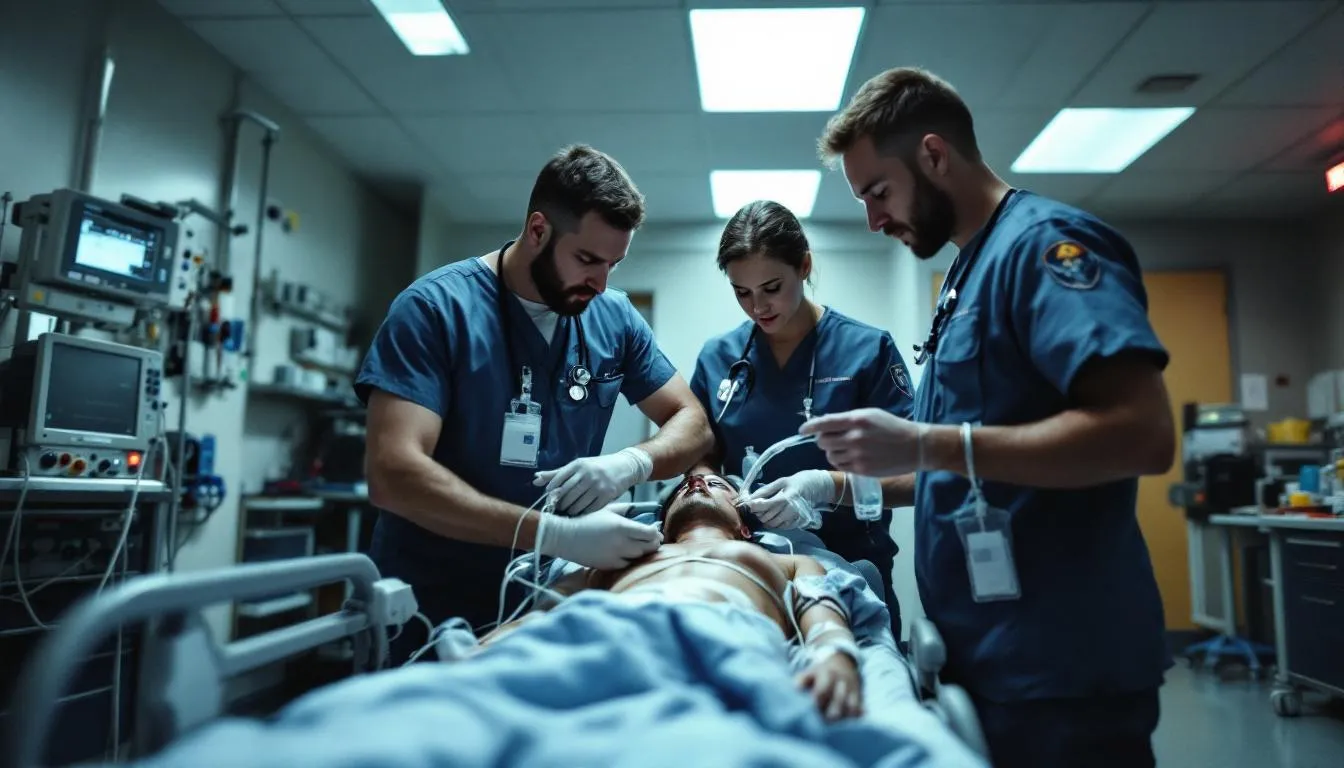
Emergency assessment protocols prioritize rapid evaluation to identify life-threatening conditions and prevent further injury. Medical teams focus on the ABCs – airway, breathing, and circulation – while simultaneously assessing neurological status. This initial treatment phase is critical because secondary brain damage from lack of oxygen or inadequate blood pressure can be more devastating than the initial injury itself.
Witness information plays a crucial role in treatment planning. Healthcare providers need detailed accounts of the mechanism of injury, duration of any loss of consciousness, presence of seizures, and behavioral changes. This information helps medical teams understand the extent of brain tissue damage and guides decisions about neuroimaging and monitoring requirements.
Immediate Medical Management
The primary goal of immediate medical management focuses on ensuring adequate oxygenation and blood flow to the human brain while preventing secondary complications. Emergency teams work rapidly to stabilize patients and create optimal conditions for brain recovery.
For patients who cannot protect their airway, medical teams perform intubation to ensure proper breathing. Mechanical ventilation may be necessary to maintain appropriate oxygen levels and remove carbon dioxide that could increase intracranial pressure. Blood pressure maintenance is equally critical, as hypotension significantly worsens outcomes in tbi patients.
Intensive care unit admission becomes necessary for patients with moderate to severe tbi who require continuous monitoring. These specialized units provide the infrastructure for invasive monitoring, frequent neurological assessments, and rapid response to changes in patient condition.
Intracranial pressure monitoring represents a cornerstone of severe traumatic brain injury management. Medical teams insert specialized probes through small holes in the skull to measure pressure inside the brain. Maintaining ICP below 20-22 mmHg and ensuring adequate cerebral perfusion pressure helps prevent ischemic damage to brain cells.
Mild Brain Injury Treatment
Mild traumatic brain injury treatment typically occurs on an outpatient basis, focusing on symptom management and gradual return to normal activities. The cornerstone of mild tbi care involves relative rest – both physical and cognitive – during the initial 24-48 hours following injury.
Healthcare providers recommend over-the-counter pain relief options, primarily acetaminophen, while avoiding anti-inflammatory medications that could increase bleeding risk. Complete rest beyond two days is not recommended, as prolonged inactivity may actually delay recovery.
Home monitoring becomes essential during the first 24 hours after mild head injury. Family members or caregivers should watch for warning signs including repeated vomiting, severe headache progression, confusion, weakness, speech disturbances, or seizures. Emergency treatment should be sought immediately if any of these symptoms develop.
Gradual return-to-activity protocols guide patients through a stepwise resumption of normal activities. These evidence-based approaches ensure that physical and cognitive demands increase progressively, allowing the brain to heal while preventing setbacks that could prolong recovery.
Severe Brain Injury Interventions
Severe injuries require intensive medical interventions to prevent secondary brain damage and optimize recovery potential. Treatment teams implement multiple strategies simultaneously to address the complex needs of these critically injured patients.
Anti-seizure medications are administered prophylactically during the first week post-injury, as seizures occur in approximately 2-10% of severe tbi cases. Medications like phenytoin or levetiracetam help prevent seizures that could cause additional brain damage during the vulnerable acute period.
Head elevation techniques involve positioning patients with the head of the bed raised to 30 degrees. This simple intervention helps decrease intracranial pressure by facilitating venous drainage from the brain, reducing the accumulation of fluid that contributes to swelling.
For patients experiencing acute neurological deterioration, hyperventilation therapy may be employed as a temporary measure. By reducing arterial carbon dioxide levels, medical teams can induce cerebral vasoconstriction that lowers intracranial pressure. However, this intervention requires careful monitoring to avoid cerebral ischemia.
In cases of refractory elevated intracranial pressure, medically induced coma using high-dose barbiturates or benzodiazepines may be necessary. This dramatic intervention reduces cerebral metabolism and can effectively lower intracranial pressure, but requires intensive monitoring including continuous EEG and hemodynamic support.
Advanced Medical Therapies
When standard interventions prove insufficient, advanced medical therapies offer additional options for managing severe brain injuries. These sophisticated treatments require specialized expertise and careful monitoring to maximize benefits while minimizing risks.

Hyperosmolar therapy using agents like mannitol represents a cornerstone treatment for acute intracranial pressure reduction. Mannitol acts as an osmotic diuretic, drawing water out of brain tissues into blood vessels where it can be eliminated by the kidneys. This intervention can rapidly reduce brain swelling, but requires careful monitoring of serum osmolality and kidney function to prevent complications.
Hypertonic saline offers an alternative hyperosmolar agent that may provide more sustained intracranial pressure reduction while supporting blood pressure. The choice between mannitol and hypertonic saline depends on patient-specific factors and institutional protocols.
Therapeutic cooling, also known as targeted temperature management, aims to reduce brain temperature and decrease metabolic demand following injury. By lowering cellular metabolism, cooling may reduce oxidative stress and limit secondary injury. However, evidence regarding long-term efficacy remains mixed, and the intervention carries risks including increased infection rates and coagulation abnormalities.
Burst suppression monitoring via continuous EEG allows medical teams to titrate high-dose sedatives or barbiturates precisely. This sophisticated monitoring ensures adequate brain activity suppression while avoiding excessive medication that could compromise cardiovascular function or delay recovery.
Surgical Interventions
Surgical interventions become necessary when brain injuries create conditions that cannot be managed through medical therapy alone. The timing and type of surgical procedure depend on specific injury patterns, patient condition, and response to initial treatment.
Craniotomy procedures involve opening the skull to access and treat specific brain injuries. Surgeons commonly perform craniotomies to evacuate epidural or subdural hematomas – collections of clotted blood that compress brain tissue and increase intracranial pressure. Rapid surgical intervention for these conditions can be life-saving and may prevent permanent neurological deficits.
Repairing skull fractures may be necessary when bone fragments threaten brain tissue or when skull fractures create cosmetic deformities. Severe skull fractures can also compromise the protective barrier between the brain and external environment, requiring surgical repair to prevent infection.
Decompressive craniectomy represents a more dramatic surgical intervention reserved for cases of severe cerebral edema unresponsive to medical management. This procedure involves removing a large section of skull to allow the swollen brain to expand safely. While potentially life-saving, careful patient selection is crucial as outcomes vary significantly.
Minimally invasive techniques offer alternatives for certain conditions, particularly chronic subdural hematomas common in elderly patients. Procedures like burr holes or twist-drill craniostomies can effectively drain accumulated blood while minimizing surgical trauma and recovery time.
Comprehensive Rehabilitation Programs
Rehabilitation represents the longest and often most challenging phase of brain injuries treatment. These comprehensive programs begin as soon as medical stability is achieved and may continue for months or years depending on injury severity and recovery progress.

Multidisciplinary teams coordinate care across multiple domains, recognizing that brain injury affects virtually every aspect of human function. These teams typically include physiatrists specializing in physical medicine and rehabilitation, neurologists, various therapy specialists, neuropsychologists, rehabilitation nurses, and social workers.
The primary goal of rehabilitation focuses on maximizing independence and quality of life through relearning basic skills and developing compensatory strategies for persistent deficits. Treatment plans are highly individualized, taking into account injury severity, affected brain regions, patient age, and personal goals.
Rehabilitation settings vary from intensive inpatient programs in specialized facilities to outpatient services that allow patients to live at home while receiving treatment. The choice of setting depends on medical needs, functional status, and available support systems.
Physical Therapy and Motor Recovery
Physical therapy forms a cornerstone of brain injury rehabilitation, addressing the motor impairments that commonly result from damage to brain tissues controlling movement. Physical therapists work with patients to improve posture, balance, flexibility, and cardiovascular endurance while reestablishing coordination and strength.
Intensive, repetitive training facilitates neuroplasticity – the brain’s ability to reorganize and form new neural connections. Early initiation of physical therapy is associated with improved short- and long-term outcomes, including faster recovery of walking ability and reduced need for assistive devices.
Treatment may involve various assistive devices including wheelchairs, walkers, and orthotic devices that support weakened limbs. The goal is typically to progress from more supportive devices to greater independence, though some patients may require permanent assistive technology.
Evidence strongly supports the integration of cardiovascular exercise into rehabilitation programs. Regular aerobic activity improves blood flow to the brain, supports neuroplasticity, and enhances overall recovery. Exercise programs are carefully tailored to individual capabilities and gradually progressed as function improves.
Occupational Therapy for Daily Living
Occupational therapists focus on helping patients relearn and adapt the routine activities that define independent living. This includes basic self-care tasks like eating, dressing, bathing, and personal hygiene, as well as more complex instrumental activities such as managing finances, cooking, and driving.
The ability to perform daily tasks directly impacts quality of life and independence. Occupational therapists use task-specific training, adaptive equipment, and environmental modifications to help patients achieve maximum functional independence.
Home assessment and modification recommendations play a crucial role in ensuring patient safety and independence. Simple changes like installing grab bars, improving lighting, or rearranging furniture can dramatically improve function and prevent falls.
Workplace challenges cognitive therapy becomes important for patients planning to return to employment. Occupational therapists assess cognitive and physical readiness for work, provide job-specific training, and recommend workplace modifications that support successful return to employment.
Cognitive Rehabilitation
Cognitive impairment represents one of the most challenging aspects of brain injury recovery, affecting memory, attention, executive function, and decision-making abilities. Cognitive therapy addresses these deficits through structured exercises and compensatory strategy training.
Neuropsychological assessments provide detailed information about specific cognitive strengths and weaknesses, guiding the development of individualized treatment plans. These comprehensive evaluations assess multiple domains including attention, memory, language, visual-spatial skills, and executive functions.
Individual therapy is typically recommended for patients with severe cognitive deficits, allowing for intensive, personalized intervention. Group therapy can be effective for those with moderate impairments, providing opportunities for social interaction and peer support while addressing cognitive goals.
Computer-based cognitive exercises and memory aids are increasingly integrated into rehabilitation programs. These tools provide structured practice opportunities and can be adapted to individual needs and abilities. Evidence supports their use as part of comprehensive cognitive rehabilitation programs.
Speech and Language Therapy
Communication skills are fundamental to social interaction and independence, making speech therapy a critical component of comprehensive brain injury treatment. Speech-language pathologists address both verbal and written communication deficits as well as swallowing difficulties that may result from brain injury.
Comprehensive assessment covers language comprehension and expression, cognitive-communicative skills including attention and memory for conversation, and oral-motor function for speech and swallowing. This evaluation guides the development of targeted treatment goals.
Therapy involves structured exercises to improve specific communication skills, training in the use of augmentative communication devices when needed, and development of compensatory strategies for persistent deficits. The goal is to maximize functional communication ability in real-world settings.
Bathing speech therapy and other daily activities may be integrated into treatment sessions to address practical communication needs. This functional approach helps ensure that gains made in therapy translate to improved independence in daily life.
Specialized Treatment Approaches
Beyond traditional rehabilitation therapies, specialized treatment approaches address specific complications that may arise following brain injury. These targeted interventions can significantly improve functional outcomes when integrated into comprehensive treatment programs.
Vision therapy addresses the visual-perceptual problems that affect up to 90% of brain injury survivors. These may include difficulty with eye tracking, depth perception, peripheral vision, and coordination between vision and movement. Specialized interventions include gaze stabilization exercises, binocular vision training, and sometimes prescription of prism lenses.
Vestibular therapy targets the balance and spatial orientation problems that commonly follow brain injury. The vestibular system, located in the inner ear and brainstem, can be disrupted by trauma, leading to dizziness, balance problems, and difficulty with spatial navigation.
Neuro-optometric rehabilitation represents an emerging field that addresses the complex interactions between vision and neurological function following brain injury. These programs are highly individualized and may continue for months as the visual system gradually recovers.
Vision and Vestibular Dysfunction Treatment
The intricate relationship between brain function and sensory systems means that brain injury often disrupts the normal coordination between the brain and sensory organs. Vision problems following brain injury may not be apparent on standard eye examinations but can significantly impact daily function.
Gaze stabilization techniques help patients relearn to coordinate eye movements with head movements, improving balance and reducing motion sensitivity. These exercises are particularly important for patients experiencing dizziness or difficulty with moving environments.
Repositioning techniques address specific types of vestibular problems, such as benign paroxysmal positional vertigo, which can develop following head trauma. Simple maneuvers can often resolve these conditions and dramatically improve symptoms.
Progressive balance exercises help retrain the brain’s ability to integrate sensory information from the visual, vestibular, and proprioceptive systems. This multisensory approach addresses the complex nature of balance control and helps prevent falls.
Psychological and Emotional Support
The psychological impact of brain injury extends far beyond the initial trauma, affecting patients’ emotional well-being, behavior, and mental health for months or years following injury. Depression, anxiety, and behavioral changes are common sequelae that require specialized attention and treatment.
Neuropsychological evaluation provides crucial information about both cognitive and emotional status following brain injury. These comprehensive assessments guide the development of appropriate psychological interventions and help distinguish between brain injury-related changes and other mental health conditions.
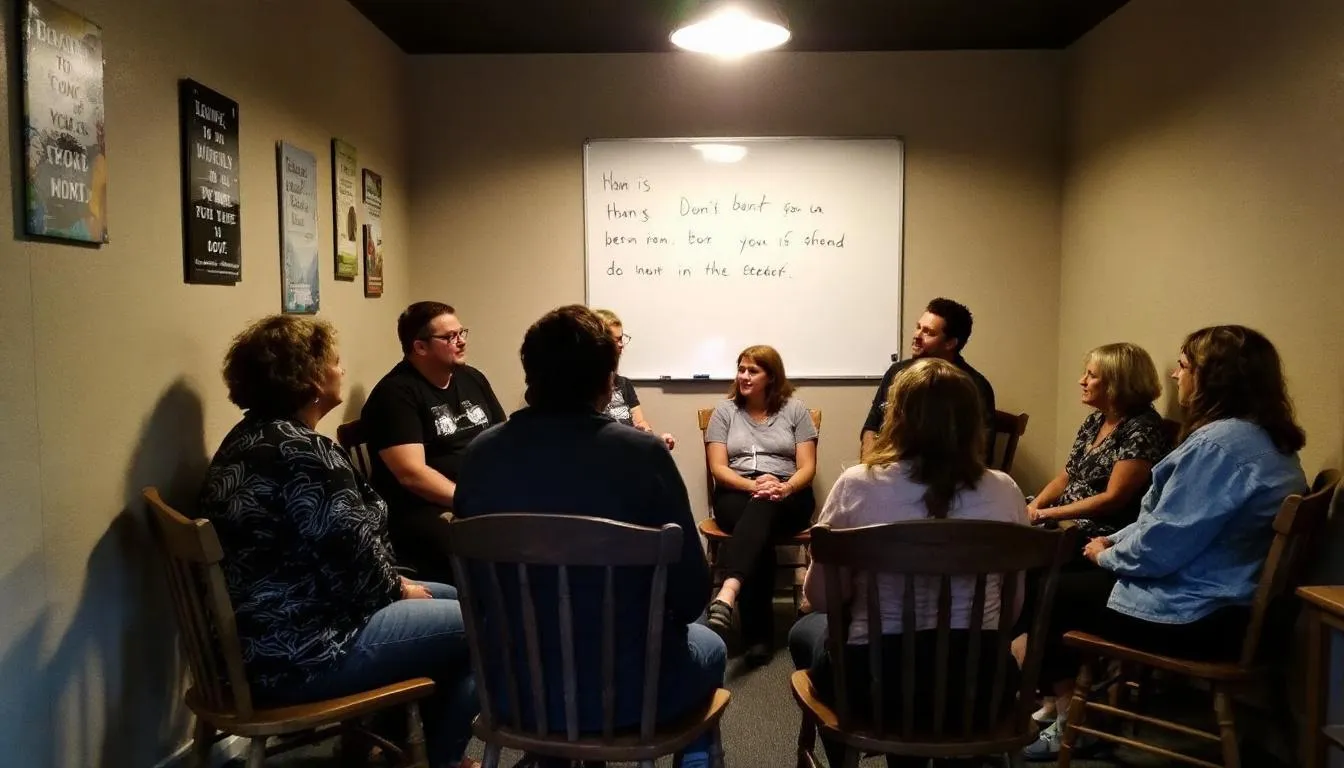
Individual psychotherapy, group therapy, and medication management may all play roles in addressing psychological symptoms. The choice of intervention depends on specific symptoms, severity, and patient preferences.
Family education and support are essential components of comprehensive brain injury care. Caregivers face significant stress and burden, and their well-being directly impacts patient outcomes. Support groups, educational programs, and respite care services help families cope with the challenges of brain injury.
The brain injury association provides valuable resources and support networks for patients and families navigating recovery. These organizations offer educational materials, support groups, and advocacy services that can be invaluable during the recovery process.
Long-term Management and Recovery
Brain recovery can continue for years following injury, particularly when intensive rehabilitation and support services are maintained. While most dramatic improvements typically occur within the first 6-12 months, neuroplasticity allows for continued gains over extended periods.
Post-concussion syndrome affects 10-20% of adults with mild traumatic brain injury, involving persistent symptoms such as headache, dizziness, cognitive difficulties, and sleep disturbances. Management requires a multidisciplinary approach combining pain medicine, cognitive rehabilitation, and psychological support.
Hormonal dysfunction may develop following moderate or severe tbi due to damage to the pituitary gland or hypothalamus. These conditions can affect growth, thyroid function, reproductive hormones, and stress response systems. Regular endocrine monitoring and hormone replacement therapy may be necessary.
Autonomic dysfunction can alter regulation of blood pressure, heart rate, breathing, and temperature control. These problems may require ongoing medical management and can significantly impact quality of life and functional independence.
Multidisciplinary Treatment Programs
Modern brain injuries treatment increasingly relies on integrated, comprehensive programs that combine multiple therapeutic approaches. These programs recognize that brain injury affects multiple systems and requires coordinated intervention across various domains.
Functional neuroimaging techniques like functional mri are being explored to guide personalized rehabilitation programs. These advanced imaging methods may help identify specific brain regions that retain function and guide targeted interventions.
The integration of cardiovascular exercise into rehabilitation programs has gained significant support from research showing that aerobic activity promotes blood flow to the brain and supports neuroplasticity. Exercise programs are carefully designed to accommodate individual limitations while maximizing benefits.
Simultaneous training of balance, coordination, and cognitive skills through dual-task or multitask therapies addresses the real-world demands that require integration of multiple abilities. This approach may be more effective than training each skill in isolation.
Research and Future Directions
The field of brain injuries treatment continues to evolve rapidly, with ongoing clinical trials exploring new approaches to neuroprotection, neuroregeneration, and functional recovery. Current research focuses on several promising areas that may transform treatment in the coming years.
Neuroprotective drugs including anti-inflammatory agents, antioxidants, and agents promoting neurogenesis are being tested in human clinical trials. While many promising treatments have failed to translate from animal models to human patients, ongoing research continues to refine our understanding of secondary injury mechanisms.
Emerging therapies involve stem cell transplantation, neural growth factors, and pharmacologic modulation of brain plasticity. These approaches target the regeneration of nerve cells and formation of new blood vessels in damaged brain tissue.
Advanced brain imaging techniques are being developed to guide therapy selection and monitor treatment response. These technologies may eventually allow clinicians to predict which patients will respond to specific treatments and adjust therapy accordingly.
The focus of research is increasingly shifting from preventing secondary injury to promoting neurorestoration and enhancing neuroplasticity. This paradigm shift reflects growing understanding of the brain’s capacity for recovery and adaptation following injury.
Treatment Optimization and Home Care
Successful brain injuries treatment extends far beyond formal medical and rehabilitation services to include ongoing self-management and family support. Home-based interventions and lifestyle modifications play crucial roles in optimizing recovery and preventing complications.
Prescribed home exercises and cognitive activities help maintain and build upon gains made during formal rehabilitation. Guidelines recommend moderate aerobic exercise several days per week, carefully adjusted for individual tolerance and capabilities.
Cognitive activities such as memory games, puzzles, and computerized training programs can enhance cognitive recovery when used as part of a structured program. However, these activities should complement rather than replace professional cognitive therapy.
Recognition of warning signs that indicate need for additional medical attention remains important throughout the recovery process. New or worsening symptoms, changes in cognitive or physical function, or the development of new behavioral symptoms may require prompt evaluation.
Access to specialized treatment programs and clinical trials may be appropriate for patients with persistent deficits or those seeking cutting-edge interventions. Brain injury specialists can help determine eligibility and appropriateness for advanced treatment options.
Recovery from brain injury is a marathon, not a sprint. The most successful outcomes occur when patients and families maintain realistic expectations while remaining committed to ongoing treatment and adaptation. With proper treatment and support, many individuals can achieve meaningful recovery and return to productive, fulfilling lives.
The landscape of brain injuries treatment continues to evolve, offering hope for improved outcomes and quality of life for the millions affected by these challenging conditions. Early intervention, comprehensive rehabilitation, and ongoing support remain the cornerstones of effective treatment, while emerging therapies promise to expand treatment options in the years ahead.