For older adults, fall prevention is critical. To prevent falls, older adults should take measures such as removing tripping hazards, using non-slip mats, and ensuring adequate lighting in their homes. Grab bars, handrails, medication reviews, and vision checks also help.
Transportation safety matters too:
-
Wear seat belts every ride
-
Use age-appropriate car seats and boosters
-
Avoid distracted or impaired driving
-
Wear helmets for biking, skating, skiing, and riding motorcycles
In sports and recreation, use well-fitted helmets, teach safe technique, report symptoms early, and follow official return-to-play protocols. Avoiding repetitive head injuries lowers the risk of chronic traumatic encephalopathy and other degenerative brain diseases.
Frequently Asked Questions About Brain Trauma Injury Symptoms
Can a brain injury cause symptoms years after the original head injury?
Yes. Some people notice symptoms years later, especially when aging, stress, another illness, or another concussion reduces the brain’s ability to compensate.
Examples include worsening headaches, memory problems, balance issues, or emotional changes decades after a 1990s sports career or a 2000 car crash. Anyone with new physical, cognitive, and emotional symptoms plus a history of head injuries should discuss this with a healthcare provider.
Is it possible to have a brain injury without losing consciousness?
Yes. Many mild TBIs and concussions happen without loss of consciousness. Confusion, disorientation, headache, dizziness, or memory gaps may be the only early signs.
Dismissing these injuries as “just a bump” can delay diagnosis and increase the risk of lasting symptoms. Take post-impact symptoms seriously, even if the person stayed awake.
How long do brain trauma symptoms usually last?
Most mild TBI symptoms improve significantly within 2–6 weeks. Moderate and severe TBIs can cause symptoms lasting months to years.
About 20–30% of people with mild TBI may continue to have symptoms beyond 3 months and benefit from specialized rehabilitation. There is no strict expiration date for recovery; improvement can happen even years later.
Can chronic traumatic encephalopathy (CTE) be diagnosed while someone is alive?
As of 2026, definitive CTE diagnosis is still made after death through examination of brain tissue.
Doctors currently use symptom patterns and a history of repetitive head impacts to identify people at higher risk and manage symptoms. If you have a long history of contact sports, military blasts, or repeated concussions, ask your healthcare provider about monitoring and brain health strategies.
What kind of doctor should I see if I suspect a brain injury?
For acute injuries, start with an emergency department, urgent care, or primary care provider depending on severity. For ongoing symptoms, request referral to specialists such as neurologists, physiatrists, neuropsychologists, rehabilitation therapists, or multidisciplinary brain injury clinics.
Bring a written list of symptoms, dates of head injuries, medications, imaging results, and changes noticed by family or coworkers. The clearer the timeline, the easier it is to guide care.
Key Takeaways
Any head injury – from a 2026 car crash to a minor sports concussion – can cause brain trauma injury symptoms that appear right away or days later. The safest approach is to watch closely, take changes seriously, and get help early.
-
Symptoms can be physical, cognitive, emotional, and sleep-related. Even a mild tbi, or concussion, is a real brain injury.
-
Red flags such as repeated vomiting, worsening headache, confusion, seizures, weakness, or slurred speech require emergency medical care in the first 24–48 hours.
-
Lasting symptoms beyond 3 months may point to post concussion syndrome or chronic brain injuries.
-
Repeated head impacts increase the risk of chronic traumatic encephalopathy, especially in contact sports and military settings.
-
See a healthcare provider for persistent symptoms even if a ct scan or mri scans were “normal.”
What Is a Brain Trauma Injury (Traumatic Brain Injury)?
A traumatic brain injury is brain damage caused by an external force – a bump, blow, jolt, blast wave, or penetrating head injury – that disrupts normal brain function. The phrase traumatic brain injury tbi is often shortened to TBI.
People often use “brain injury,” “head injury,” “brain trauma,” and head trauma interchangeably. TBI is more specific: it includes falls, vehicle crashes, assaults, sports injuries, shaken baby syndrome, military blasts, and workplace accidents.
There are two broad types of traumatic brain injuries (TBIs): penetrating and non-penetrating injuries. A penetrating tbi happens when an object enters the skull. A non-penetrating or blunt tbi happens when force moves the brain inside the skull without an open wound.
TBIs range from mild traumatic brain injury, also called concussion, to moderate TBI and severe traumatic brain injury. According to the Centers for Disease Control and Prevention, mild TBIs make up about 75% of all brain injuries each year in the United States.
Brain trauma can cause primary damage at the initial trauma, such as bruising, bleeding, skull fractures, blood clots, or torn nerve cells. Secondary damage may develop later through fluid buildup, reduced oxygen, inflammation, changes in blood pressure, injured blood vessels, and reduced blood flow to brain tissue.
Injury patterns also differ. A cerebral contusion represents a localized bruise or bleeding on the brain tissue, and symptoms depend on the affected brain region. Hematomas are a type of TBI that involve bleeding in and around the brain, categorized into different types based on their location, such as epidural, subdural, and intracerebral hematomas. Diffuse axonal injury (DAI) is one of the most common types of TBIs, characterized by widespread damage to the brain’s white matter, often resulting from high-speed impacts such as in auto accidents or falls.
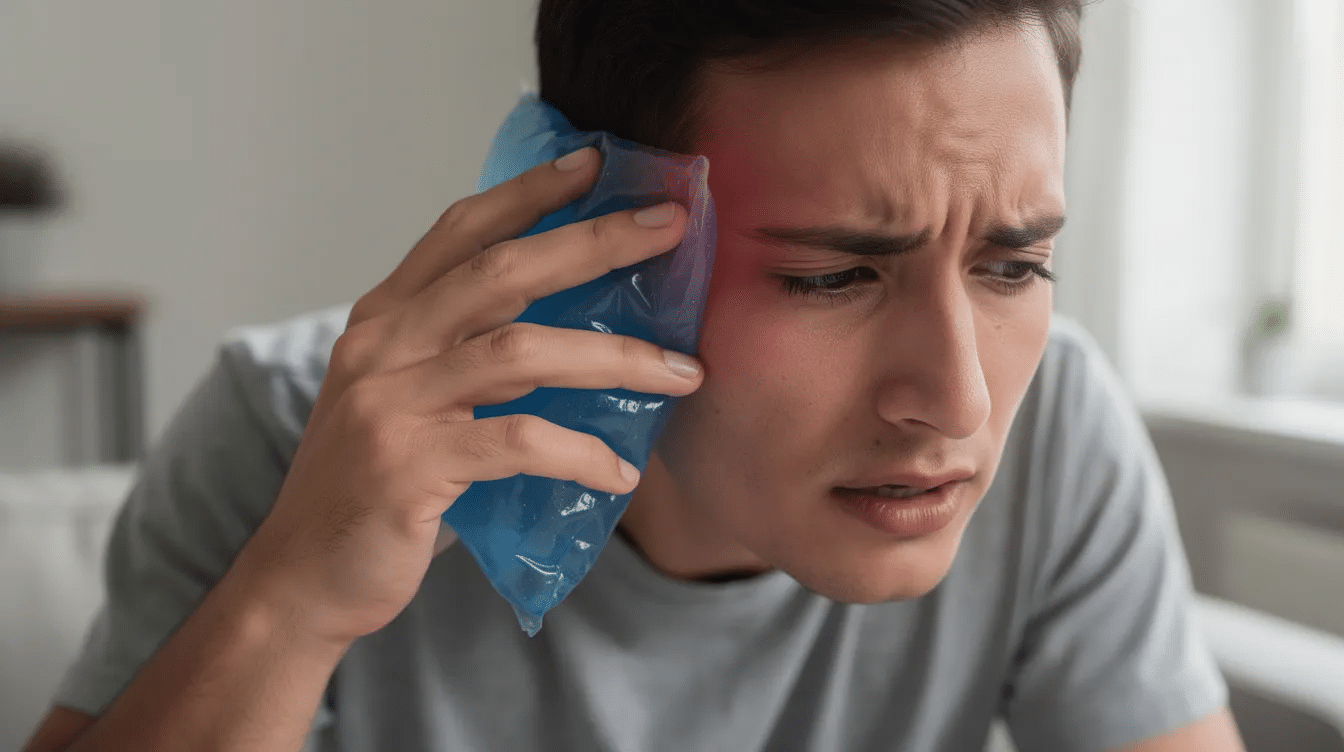
Immediate and Early Symptoms After a Head Injury
Use this as a quick-reference guide for the first minutes to 48 hours after head injuries from a 2026 sports collision, bike crash, household fall, or car accident.
Common early physical symptoms include:
-
Headache or pressure in the head
-
Dizziness, motion sensitivity, or balance problems
-
Nausea or vomiting
-
Blurred vision, double vision, or other vision problems
-
Sensitivity to light or noise
-
Fatigue, neck pain, or ringing in the ears
Early cognitive symptoms may include confusion, disorientation, trouble concentrating, slowed thinking, memory gaps, or feeling “foggy.” Some people briefly lose consciousness for seconds or minutes, but many do not.
Early emotional symptoms can include anxiety, nervousness irritability, tearfulness, or feeling overwhelmed. Sleep symptoms may include difficulty falling asleep, waking frequently, sleeping more than usual, or changes in usual sleeping and sleep patterns.
Symptoms of traumatic brain injury (TBI) can vary widely depending on the severity of the injury and may include physical, cognitive, and emotional changes. Brain injuries present across four core functional areas: physical, cognitive, emotional or behavioral, and sleep-related, and their impact on daily life and long-term risks is explored in depth in resources like the brain injury legal and medical information archives.
The key point is timing. A person may seem “fine” at first, then develop worsening symptoms over several hours as secondary brain injury processes unfold. Repeat checks during the first night matter.
Symptoms of Mild Traumatic Brain Injury (Concussion)
A concussion is classified as a mild TBI and can result from a blow to the head or a rapid movement of the brain within the skull, leading to temporary changes in consciousness or awareness. It may not involve loss of consciousness, but it is still a real traumatic injury.
Common symptoms of mild TBI include headache, dizziness, confusion, and fatigue, which may appear immediately after the injury or develop over time. Concussion symptoms can appear after sports, falls, crashes, or military blast exposure.
Typical symptom clusters include:
-
Physical symptoms: headache, dizziness, nausea, light sensitivity, noise sensitivity, blurred vision
-
Cognitive difficulties: memory lapses, difficulty multitasking, slow processing, poor concentration
-
Emotional symptoms: irritability, anxiety, mood swings, sadness
-
Sleep symptoms: insomnia, difficulty falling asleep, sleeping too much, waking frequently
For mild TBI, treatment may focus on symptom relief and “brain rest,” which involves avoiding activities that require concentration or attention, with monitoring for new or worsening symptoms.
Most people improve within days to a few weeks. However, research shows that fewer than half of mild traumatic brain injury patients achieve complete recovery even five years after injury, with up to 30% developing persistent symptoms that last months, years, or even decades.
Seek medical attention if symptoms interfere with work, school, driving, screens, exercise, or daily life – especially if they do not improve after 2–3 weeks.
Symptoms of Moderate to Severe Brain Injuries
Moderate and severe TBIs usually follow more significant head injuries: high-speed crashes, falls from height, assaults, penetrating head injuries, or major blasts. Resources that explain the difference between traumatic and other acquired brain injuries can help clarify how these events cause lasting damage. The usual moderate or severe tbi pattern is more obvious than concussion, but early evaluation can still miss evolving damage.
Hallmark signs include loss of consciousness lasting more than 30 minutes, inability to wake easily, profound confusion, agitation, or mental status changes lasting hours to days. Severe TBIs are characterized by unconsciousness exceeding 24 hours and require immediate medical intervention.
Danger signs include:
-
Persistent or worsening headache
-
Repeated vomiting
-
Seizures or convulsions
-
One pupil larger than the other
-
Weakness, numbness, or poor coordination
-
Slurred speech
-
Clear fluid or blood from the nose or ears
-
Unusual confusion, aggression, or other unusual behavior
Danger signs requiring emergency medical care after a head injury include a persistent worsening headache, slurred speech, weakness, and convulsions.
Moderate to severe TBIs can lead to prolonged changes in consciousness, awareness, and responsiveness, which may manifest as a vegetative state or minimally conscious state. In catastrophic cases, irreversible loss of all brain function is called brain death. Brain death is different from coma and is legally recognized as death in many medical systems.
Any suspected moderate or severe tbi is one of the true medical emergencies. Call emergency services or go to a trauma center for immediate medical attention, even if an earlier check seemed reassuring, and later consider resources such as brain injury legal archives that address long-term consequences and rights.
Emotional and Behavioral Symptoms After Brain Injuries
Brain injuries often affect emotional regulation and behavior, even when imaging looks normal. Friends and family may notice changes before the injured person does.
Common changes include depression, new anxiety, irritability, low frustration tolerance, sudden mood swings, impulsivity, aggression, poor judgment, social withdrawal, or loss of motivation.
These symptoms can occur after one moderate or severe tbi, repeated mild TBIs, domestic violence, contact sports, or military service. They may also overlap with post-traumatic stress, pain, poor sleep, and fear about recovery.
Persistent emotional symptoms are not “just attitude.” They may reflect changes in the nervous system, brain cells, and communication between brain regions. Early referral to health care providers familiar with brain injury – such as neuropsychologists, rehabilitation psychologists, or psychiatrists – can help.
Brain Trauma Symptoms in Infants, Children, and Teens
Children with TBI may exhibit symptoms differently than adults, such as changes in behavior, difficulty communicating, and inability to express feelings like headaches or confusion. That means adults must watch for behavior and physical changes after falls, bicycle crashes, playground injuries, or sports injuries.
In infants and toddlers, watch for:
-
Excessive crying or inability to be consoled
-
Refusal to eat or changes in nursing habits
-
Repeated vomiting
-
Drowsiness or unusual sleep
-
Irritability or loss of interest in favorite activities
-
Seizures
In school-age children and teens, symptoms may include headaches, trouble paying attention in class, sudden grade changes, clumsiness, sleep changes, emotional outbursts, or similar symptoms to adults that they struggle to describe.
Teens in contact sports are at particular risk of repeated concussions, which can increase the chance of lasting symptoms and chronic traumatic encephalopathy later in life. Children can avoid head injuries by wearing helmets during activities like biking and skateboarding, and by using appropriate safety gear during sports.
Caregivers should seek emergency medical care for seizures, unresponsiveness, repeated vomiting, or concerning behavior changes. Always consult sports medicine professionals or health care providers before a child returns to play or physical education.

Lasting Symptoms: When a “Mild” Head Injury Is No Longer Mild
Persistent post-concussive symptoms are problems that last longer than about 3 months after a mild TBI or concussion. This is often called post-concussion syndrome, though many clinicians now use “persistent post-concussive symptoms.”
Lasting symptoms may include chronic headaches, dizziness, motion sensitivity, fatigue, sleep disturbance, memory problems, cognitive difficulties, brain fog, depression, anxiety, and irritability.
These symptoms can be linked to subtle dysfunction that may not show up on standard imaging, including neurovascular coupling problems, autonomic nervous system imbalance, metabolic stress, and microscopic injury to nerve cells.
Repeated concussions and moderate or severe TBIs increase the risk of long-term problems, including post-traumatic dementia and degenerative neurological disorders. Post-traumatic dementia (PTD) can occur after a single, severe traumatic brain injury and may be progressive, sharing features with chronic traumatic encephalopathy (CTE), which often requires comprehensive brain trauma therapy approaches for long-term management.
Studies suggest that age and the number of TBIs a person has suffered over their lifetime are critical factors that impact recovery from TBI. Genetic factors may also influence risk, but they do not determine outcome by themselves.
If symptoms continue for months or years, ask for referral to a specialist brain injury clinic or multidisciplinary rehabilitation program and learn more about brain trauma recovery stages and what to expect over time.
Chronic Traumatic Encephalopathy (CTE) and Other Long-Term Brain Changes
Chronic traumatic encephalopathy is a progressive brain disease associated with repeated head injuries, especially in contact sports and military blast exposure.
Chronic traumatic encephalopathy (CTE) is a progressive neurological disorder that may develop after repeated traumatic brain injuries, leading to symptoms such as memory problems, movement disorders, and mood changes.
Typical CTE-related symptoms include memory loss, slowed thinking, poor concentration, depression, impulsive behavior, coordination problems, and later dementia-like decline. CTE has been identified post-mortem in athletes from boxing, American football, soccer, wrestling, and rugby, often years after the last head injury.
As of 2026, CTE can only be confirmed after death by examining brain tissue. Still, NIH research research suggests a stronger link between severe CTE, dementia, and cognitive decline.
Not everyone with repeated head trauma develops CTE. Prevention matters: limit repetitive head impacts, follow concussion protocols, and never return to play too early after mild TBI.
When to Seek Medical Attention for Brain Trauma Symptoms
Any new or worsening symptoms after a head injury warrant medical attention, even if the impact seemed minor.
Call 911 in the U.S. or your local emergency number for:
-
Repeated vomiting
-
Seizures or convulsions
-
Inability to wake the person
-
Confusion that worsens
-
Weakness or numbness
-
Severe or worsening headache
-
Slurred speech
-
Loss of consciousness in an infant or child
Urgent, non-emergency care is also appropriate for headaches lasting more than a few days, trouble concentrating at school or work, persistent dizziness, new emotional symptoms, or sleep changes after a head injury, which can also factor into average settlement amounts in brain injury lawsuits when another party is at fault.
When talking to a healthcare provider, share the exact date and mechanism of injury: for example, a July 2024 car crash, November 2025 ladder fall, or 2023 football season concussions. A clear timeline helps clinicians match the person’s symptoms to the injury event and is also important if you later explore what kinds of compensation may be available after a traumatic brain injury.
Early evaluation can reduce complications and help identify appropriate treatment before secondary damage worsens, including access to coordinated brain trauma therapy and rehabilitation options.
How Health Care Providers Diagnose and Monitor Brain Injuries
Diagnosis includes symptom review and objective testing. No single test can rule out every TBI.
A typical evaluation may include a neurological exam for strength, reflexes, balance, coordination, sensation, and eye movements. Clinicians also check mental status, including orientation, memory, attention, and speech. In emergency settings, standardized scales such as the Glasgow Coma Scale may be used.
A ct scan can quickly detect skull fractures, bleeding, hematomas, contusions, swelling, and mass effect. MRI scans can show more subtle injury patterns, but many concussions still have normal imaging.
Additional tools may include neuropsychological testing for attention, memory, and executive function. Blood tests for brain injury biomarkers are increasingly used or studied, but they do not replace clinical judgment.
Immediate treatment for severe traumatic brain injury (TBI) focuses on monitoring blood flow to the brain, brain temperature, pressure inside the skull, and the brain’s oxygen supply. In some cases, surgeons may need to relieve pressure inside the skull.
Follow-up is important after discharge, especially when symptoms change, persist, or affect daily life.
Living With and Managing Brain Trauma Symptoms
Many people improve significantly after brain injuries, especially with structure, pacing, rehabilitation, and support.
Helpful strategies include:
-
Pacing daily activities instead of pushing through symptoms
-
Prioritizing sleep and consistent sleep patterns
-
Avoiding alcohol or substances that slow recovery
-
Using planners, reminders, and checklists
-
Breaking tasks into smaller steps
-
Taking rest breaks before symptoms flare
Rehabilitation for severe TBI often involves a multidisciplinary team that helps improve the person’s ability to perform daily activities and addresses cognitive, physical, occupational, and emotional difficulties.
Cognitive rehabilitation therapy (CRT) is a strategy aimed at helping individuals regain normal brain function through an individualized training program, addressing persistent memory, problem-solving, and thinking problems.
Depending on symptoms, care may include physical therapy, vestibular therapy, occupational therapy, speech-language therapy, psychological counseling, medications, and family education. Effective brain injury physical therapy strategies focus on restoring strength, balance, and independence. The goal is not only to treat tbi symptoms, but to rebuild function and confidence.

Prevention: Reducing the Risk of Head and Brain Injuries
The best treatment for traumatic brain injury (TBI) is prevention, as TBIs are largely preventable through various actions and precautions.
For older adults, fall prevention is critical. To prevent falls, older adults should take measures such as removing tripping hazards, using non-slip mats, and ensuring adequate lighting in their homes. Grab bars, handrails, medication reviews, and vision checks also help.
Transportation safety matters too:
-
Wear seat belts every ride
-
Use age-appropriate car seats and boosters
-
Avoid distracted or impaired driving
-
Wear helmets for biking, skating, skiing, and riding motorcycles
In sports and recreation, use well-fitted helmets, teach safe technique, report symptoms early, and follow official return-to-play protocols. Avoiding repetitive head injuries lowers the risk of chronic traumatic encephalopathy and other degenerative brain diseases.
Frequently Asked Questions About Brain Trauma Injury Symptoms
Can a brain injury cause symptoms years after the original head injury?
Yes. Some people notice symptoms years later, especially when aging, stress, another illness, or another concussion reduces the brain’s ability to compensate.
Examples include worsening headaches, memory problems, balance issues, or emotional changes decades after a 1990s sports career or a 2000 car crash. Anyone with new physical, cognitive, and emotional symptoms plus a history of head injuries should discuss this with a healthcare provider.
Is it possible to have a brain injury without losing consciousness?
Yes. Many mild TBIs and concussions happen without loss of consciousness. Confusion, disorientation, headache, dizziness, or memory gaps may be the only early signs.
Dismissing these injuries as “just a bump” can delay diagnosis and increase the risk of lasting symptoms. Take post-impact symptoms seriously, even if the person stayed awake.
How long do brain trauma symptoms usually last?
Most mild TBI symptoms improve significantly within 2–6 weeks. Moderate and severe TBIs can cause symptoms lasting months to years.
About 20–30% of people with mild TBI may continue to have symptoms beyond 3 months and benefit from specialized rehabilitation. There is no strict expiration date for recovery; improvement can happen even years later.
Can chronic traumatic encephalopathy (CTE) be diagnosed while someone is alive?
As of 2026, definitive CTE diagnosis is still made after death through examination of brain tissue.
Doctors currently use symptom patterns and a history of repetitive head impacts to identify people at higher risk and manage symptoms. If you have a long history of contact sports, military blasts, or repeated concussions, ask your healthcare provider about monitoring and brain health strategies.
What kind of doctor should I see if I suspect a brain injury?
For acute injuries, start with an emergency department, urgent care, or primary care provider depending on severity. For ongoing symptoms, request referral to specialists such as neurologists, physiatrists, neuropsychologists, rehabilitation therapists, or multidisciplinary brain injury clinics.
Bring a written list of symptoms, dates of head injuries, medications, imaging results, and changes noticed by family or coworkers. The clearer the timeline, the easier it is to guide care.