Wind Energy News, Wind Farm Accident
Introduction to Wind Turbines
Wind turbines are devices that convert kinetic energy from wind into electrical energy, playing a crucial role in the production of renewable energy. The wind industry has experienced significant growth in recent years, with hundreds of thousands of large turbines generating over 650 gigawatts of power as of 2020. Wind turbines are an increasingly important source of intermittent renewable energy, used in many countries to lower energy costs and reduce reliance on fossil fuels.
The most common type of wind turbine is the horizontal axis wind turbine, which is widely used in wind farms to produce electricity. These turbines have a horizontal axis and typically feature three blades that rotate to harness the wind’s energy. Wind energy is a clean and renewable source of energy that can be harnessed to power homes, businesses, and industries, making it an attractive alternative to traditional energy sources. As the wind industry continues to grow, the importance of wind turbines in our energy landscape will only increase, contributing to a more sustainable and eco-friendly future.
Common Wind Turbine Injuries to Be Aware Of
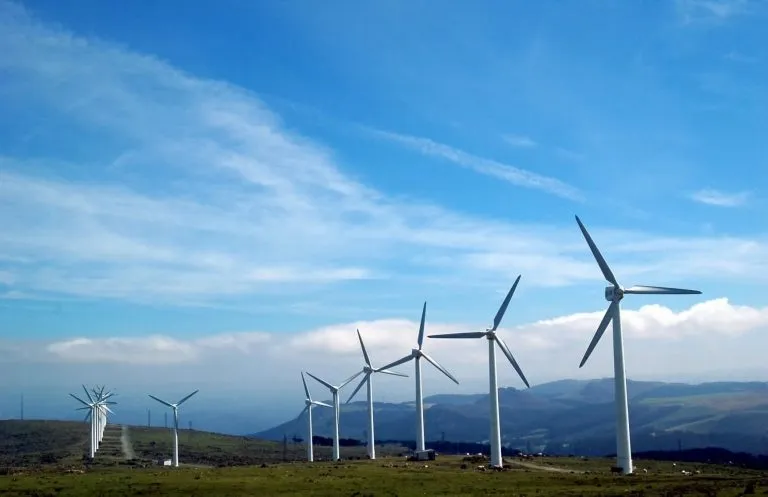
Wind Turbines on a Wind Farm
Wind farms are an excellent clean source of energy, and they also provide excellent opportunities for jobs. The largest onshore turbines, standing at an impressive height of approximately 443 feet, highlight the scale and advancements in wind turbine technology. In 2050, it is projected that wind farms will produce over 600,000 jobs in America.
With these new jobs comes the potential for injuries and even death if proper precautions are not in place. Of course, even with these precautions in place, there is a chance that you can still sustain a severe wind farm injury.
If you or someone you know suffered an injury from working at a wind farm, you’re going to want to check out this article. This brief wind farm injury guide will cover the common wind turbine injuries to be aware of and who you can contact for help with your case.
Falling Hazards
One of the most common hazards when working on wind turbines is the risk of falling. There are safety devices in place and personal protection equipment available for wind technicians to use, but there is still a considerable risk of falling. Taller turbines equipped with longer blades can contribute to this risk, as the increased blade length adds complexity and height, making installation and maintenance more hazardous.
Of course, a fall can happen at any time, but most fall accidents occur when technicians install the wind turbine. Employees must make sure to properly secure themselves before carefully climbing up because one step can lead to a huge disaster.
In addition to falling and hitting the ground, another wind farm injury comes from the safety equipment itself. For example, even if a technician does slip and their personal protection catches them, there is still the risk for broken bones or whiplash from the force of the fall.
Wind Turbine Failures
Inside of the wind turbine is an electric generator that converts wind energy into electricity. If this electric generator fails, it can cause potential wind turbine health hazards. These turbines produce a large amount of electricity, so it is possible for workers to sustain injuries from an electric shock. can fail
There are custom lock-out systems that can disengage the turbine so the blades can’t spin and generate an electrical current. Placing the lock can help ensure that the turbine does not turn back on while someone is working on it.
It is also best to control the humidity inside the turbine to prevent mechanical failure. If any moisture gets inside of the turbine or it is not well maintained, the turbine can short circuit and harm technicians.
Wind Turbine Fire Hazards
Another common wind farm injury comes from fires on the farm. These fires typically start when electrical parts overload or due to friction caused by unlubricated rotating blades. Additionally, if the electric generator malfunctions, it can overheat and cause fires.
If an employee is working on a turbine when it catches fire, they can’t just run away from the flames since they are so high up. Instead, they may not have enough time to escape.
To mitigate that, your employer should have a device that allows them a safe and quick descent from the flames. This could be a parachute or an emergency drop line.
Injuries From Confined Spaces
Wind turbines are low oxygen working environments, and they can cause intense claustrophobia for the workers. Vertical axis turbines, while less common, also have confined spaces that can pose similar risks to workers. There are four specific areas where these workers can be confined: the tower, hub, blades, and nacelle.
In these small spaces, there is the chance that an employee can be exposed to toxic vapors or hazardous gases. They also may pass out due to the lack of oxygen.
Tower
The turbine tower is a large area, but it is also confined. If someone needs to go up into the tower to repair or install something, there is a chance that they can get trapped inside or sustain an injury in very narrow areas. Vertical axis turbines also have towers, which can pose similar risks of confinement and injury.
Nacelle
The nacelle of the tower houses the electrical components of the turbine. Wind technicians often have to go into this area to troubleshoot electrical issues, and there is a chance they can get stuck inside of this area.
They may also suffer from electrocution if the repair or inspection goes wrong while confined. The electric generator, located within the nacelle, plays a crucial role in converting mechanical energy from the rotor into electricity. If the electric generator malfunctions, it can pose significant risks to both the functionality of the wind turbine and the safety of the technicians.
Hub
The hub portion of the wind turbine connects to the nacelle. This area also poses to be dangerous for wind technicians because they can also get trapped in this area. Vertical axis turbines also have hubs, which can pose similar risks of confinement and injury.
Blades
The turbine blades attach to the hub, and workers may need to enter into the blade area to keep them tight or repair and maintain them. The blade is another confined space that has the potential to trap an employee. Modern wind turbines often use longer blades to increase efficiency, but these longer blades also pose additional risks during maintenance.
Wind Farm Injury From Moving Parts
There is a high chance that someone can get hit by a moving blade or other moving gear within the turbine. The yaw system, which allows the turbine’s nacelle to pivot and face the wind, plays a crucial role in maintaining alignment with the wind direction. If the yaw system malfunctions, it can pose significant risks to both efficiency and safety. Although these wind farm turbines are massive, there are other smaller parts where technicians work near.
If someone were to get hit by this gear or they were to get stuck in the gears, there is a chance they could sustain injuries or die.
It is crucial that your employer has some type of marking that shows that certain parts have the potential to move, even if they are not currently in motion.
Sustaining a Wind Farm Injury
If you sustained an injury from working at a wind farm, you should report the incident as soon as you can to your supervisor. An electric generator in a wind turbine converts mechanical energy into electricity, and if it malfunctions, it can pose significant risks. Most companies have a formal accident reporting procedure, so be sure to follow that.
The Morgan Legal Group Common wind farm injuries:
Torn ligaments
Whiplash
Death
Back or spinal cord injuries
Amputated limbs
Make sure to seek treatment for your injuries as soon as possible as well. Your adrenaline may still be rushing, preventing you from realizing how bad your injuries are.
Keep a record of your injuries and treatment and make a detailed record of what happened in the accident. Your employer may want to know what happened before, during, and after the incident. If any witnesses saw what happened, be sure to get their information as well.
Wind Turbine Safety Training
Wind turbine safety training is essential for individuals working in the wind industry. The training program should cover a wide range of topics, including the components of wind turbines, safety procedures, and emergency response protocols. Understanding the intricacies of turbine operation and the potential hazards is crucial for maintaining a safe working environment.
A comprehensive safety training program should include both theoretical knowledge and hands-on training. Simulations and practical exercises can prepare individuals for real-life scenarios they may encounter while working on wind turbines. The training should be tailored to meet the specific needs of the wind industry, addressing the unique hazards and challenges associated with wind turbines.
Regular updates to the training program are necessary to reflect changes in technology and industry best practices. As the wind industry evolves, so too should the safety training programs to ensure that workers are equipped with the latest knowledge and skills to stay safe on the job.
Wind Turbine Emergency Response
Wind turbine emergency response plans are critical for ensuring the safety of individuals working in the wind industry. These plans should include detailed procedures for responding to various emergencies, such as fires, electrical shocks, and falls. Having a well-defined emergency response plan can make the difference between a minor incident and a major disaster.
The emergency response plan should also outline procedures for evacuating the turbine and the surrounding area in the event of an emergency. This includes having clear communication channels and designated evacuation routes to ensure that everyone can get to safety quickly and efficiently.
Regular reviews and updates of the emergency response plan are essential to ensure its effectiveness and compliance with industry regulations. Training and drills should be conducted regularly to prepare individuals for emergency situations, ensuring that they know exactly what to do when an emergency arises.
The National Renewable Energy Laboratory (NREL) provides valuable information on wind turbine emergency response and safety procedures. Utilizing resources from NREL and other industry experts can help in developing a robust and effective emergency response plan, ultimately enhancing the safety of all workers in the wind industry.
Can I Sue for My Injuries?
The public can sue operators and owners of wind farms if they sustain an injury due to their negligence; however, injured workers cannot sue their employers in most cases. Injuries sustained on the job are typically covered under workers’ compensation. Injuries related to the electric generator can be grounds for legal action if negligence is proven.
If you can prove that your employer purposely took actions that they knew could possibly result in an injury, you may have a viable reason to sue your employer. If you are unsure, it is best to reach out to a reputable Texas wind farm accident attorney to help sort your case.
If it is not possible to sue your employer, your attorney will do the best they can to identify a responsible party. For example, if your injuries were caused by a component designed by a third-party company, your attorney can sue them.
Why Should I Hire an Attorney?
Hiring a wind farm lawyer to help you get the compensation you deserve for your wind farm injuries is an excellent idea for many different reasons. For one, your attorney is objective to your case.
This means that your attorney does not share the same emotions and trauma you have with the incident. When you are injured, you most likely want to take your employer for everything they did to you, and you cannot separate facts from your feelings. Instead, they are level-headed and can handle the case without emotion.
Saves You Time
Unless you have the time to request your own medical records, review medical charts and police reports, and communicate back and forth with the representative from your employer, you should consider hiring wind turbine, accident lawyers. An attorney can handle complex cases involving electric generator malfunctions or health issues related to wind turbines, saving you time and effort.
These attorneys have the time and resources to take care of your case while you focus on healing and getting better. They also have the capacity to meet specific deadlines that pertain to your case.
Higher Settlement
Statistically speaking, people who hire attorneys to handle their personal injury claims receive higher settlements than those who do not. Cases involving electric generator malfunctions can result in higher settlements with the help of an experienced attorney. Even after paying their attorney’s fees, they still walk away with more money than they would have had they handled the case on their own.
This is because your attorney has knowledge of the personal injury settlement process, and they have a team of investigators who can help prove your case.
Get the Help You Deserve
Although wind farms have the potential to produce hundreds of thousands of jobs for many Americans, there are several risks that many people should be aware of. Injuries related to the electric generator can be severe and require legal assistance to address.
Sustaining a wind farm injury can be a very traumatic and scary experience, especially if your employer or some other third-party company is at fault for your injuries.