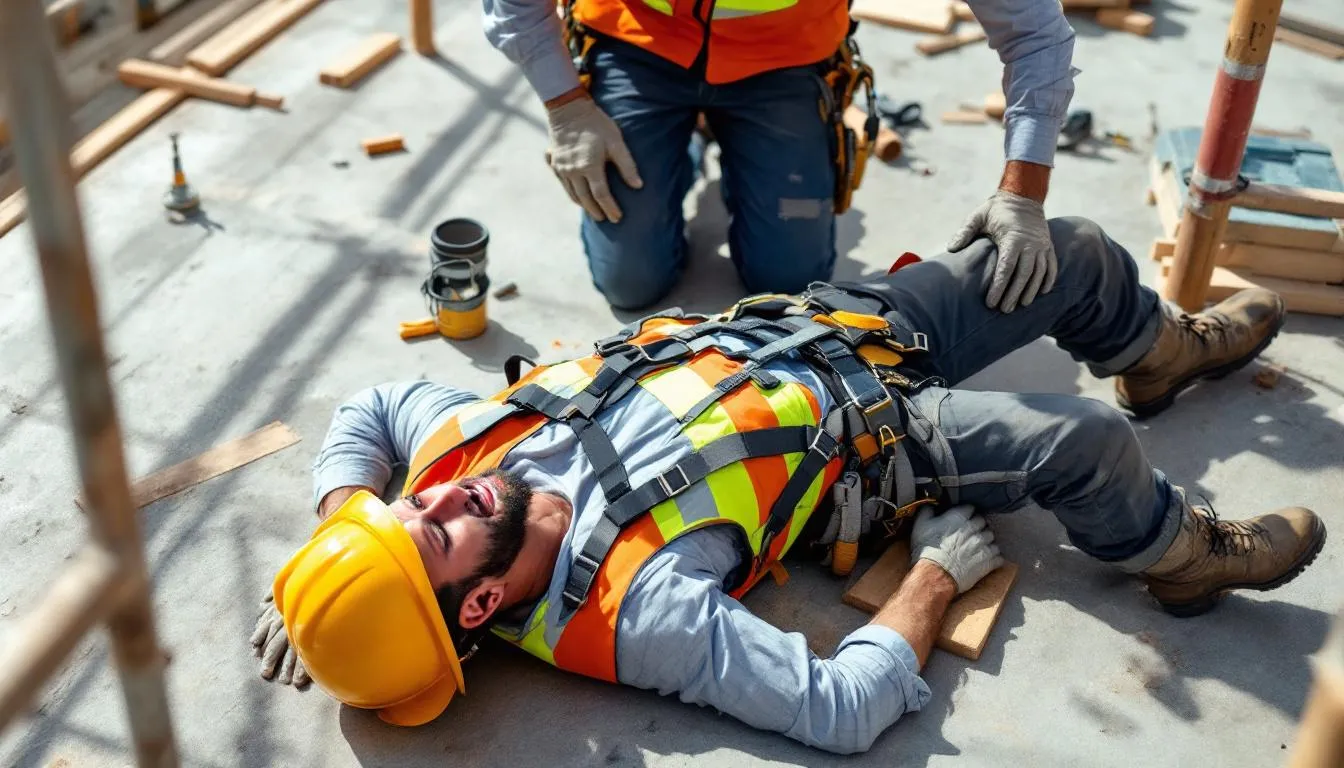
Construction work ranks among America’s most dangerous professions, with workers facing injury rates five times higher than employees in other industries. When a construction accident changes your life forever, understanding your legal rights and options becomes crucial for securing the compensation you deserve.
The complexity of construction accident cases—involving multiple parties, specialized safety regulations, and overlapping insurance systems—makes experienced legal representation essential. Unlike simple workplace injuries, construction site accidents often involve property owners, general contractors, subcontractors, equipment manufacturers, and various insurance companies, each potentially liable for your damages.
This comprehensive guide explains your legal options after a construction accident, outlines the specific protections available to construction workers in New York, and demonstrates why working with an experienced construction accident lawyer can make the difference between minimal workers compensation benefits and full financial recovery.

When You Need a Construction Accident Attorney
Construction workers face injury rates 5 times higher than other industries nationwide, making specialized legal representation crucial when accidents occur. The unique dangers of construction sites—from falls and electrocutions to equipment failures and structural collapses—create complex legal scenarios that require attorneys with deep knowledge of both workplace safety regulations and construction industry practices.
Specialized legal knowledge is required for navigating New York Labor Laws 200, 240(1), and 241(6), which provide enhanced protections specifically for construction workers. These laws create different liability standards than general workplace injury cases, often allowing injured construction workers to recover compensation beyond what’s available through standard workers compensation claims.
Construction accident lawyers handle both workers compensation and third-party liability claims simultaneously, maximizing your potential recovery. While workers compensation provides immediate medical coverage and partial wage replacement, third-party lawsuits against property owners, contractors, or equipment manufacturers can recover full lost wages, pain and suffering, and future medical expenses not covered by workers comp.
Experienced attorneys investigate site safety violations and identify all responsible parties, often uncovering multiple sources of liability that injured workers might miss. A thorough investigation might reveal that a scaffolding manufacturer produced defective equipment, the general contractor failed to follow safety protocols, and the property owner ignored known hazardous conditions—each representing separate avenues for compensation.
Legal representation becomes essential for maximizing compensation beyond basic workers comp benefits, which typically cover only two-thirds of lost wages and medical expenses. An experienced construction accident attorney can pursue full wage replacement, pain and suffering damages, and compensation for future care needs that workers compensation systems don’t address.
Construction Accident Statistics and Industry Risks
OSHA’s “Fatal Four” account for 84.7% of construction worker deaths nationwide: falls account for 36.5% of fatalities, followed by struck-by objects at 10.1%, electrocution at 8.6%, and caught-in/between accidents at 2.5%. These statistics underscore why construction work remains one of America’s most dangerous professions, with death rates nearly three times higher than other industries.
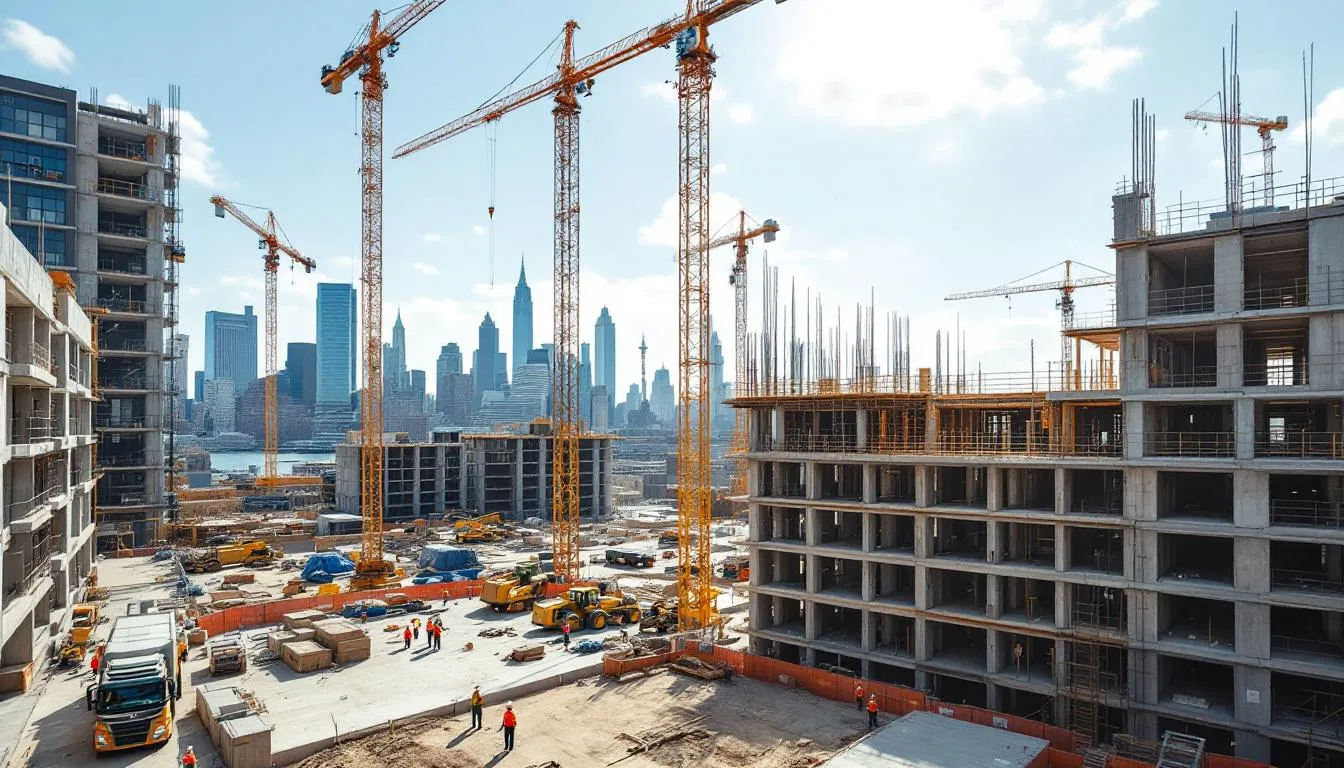
New York City reports over 750 construction accidents annually, with injury rates increasing 9.7% in recent years as development booms across all five boroughs. The concentration of high-rise construction, renovation projects, and infrastructure work creates unique hazards that contribute to the city’s elevated accident rates compared to other metropolitan areas.
Manhattan and Brooklyn experience the highest rates of construction worker fatalities and serious injuries, reflecting the density of major construction projects in these boroughs. The combination of congested work sites, complex multi-story projects, and tight construction schedules creates conditions where safety violations and accidents occur more frequently.
Construction workers comprise only 5% of NYC’s workforce but represent 27% of all workplace deaths, highlighting the disproportionate dangers faced by those in the construction industry. This stark disparity demonstrates why construction workers need enhanced legal protections and specialized attorneys who understand the unique risks of their profession.
An average of 2 construction accidents occur daily in NYC, injuring 1-2 workers each day according to recent Department of Buildings data. These daily accidents range from minor injuries requiring basic medical treatment to catastrophic injuries resulting in permanent disabilities or wrongful death, emphasizing the critical importance of comprehensive safety measures and legal preparedness.
Types of Construction Accidents We Handle
Construction accident attorneys handle a wide range of accident scenarios, each involving unique legal considerations and potential sources of liability. Understanding the different types of construction site accidents helps injured workers recognize when they may have valid claims beyond workers compensation benefits.
Falls and Height-Related Accidents
Scaffold collapses, ladder failures, and unprotected edges cause the majority of construction worker falls, often resulting in serious injuries or fatalities. New York Labor Law 240(1), known as the Scaffold Law, provides absolute liability protection for workers injured in falls, regardless of whether the worker contributed to the accident through their own actions.
Roof accidents, including falls through skylights and unguarded openings, frequently occur during construction phases when safety equipment hasn’t been properly installed or maintained. These accidents often involve multiple responsible parties, including property owners who failed to secure the work area and contractors who didn’t provide adequate safety equipment.
Elevator shaft and stairwell accidents during construction phases present unique hazards, as these areas typically lack the safety features present in completed buildings. Workers may fall down open shafts or through temporary flooring that wasn’t designed to support their weight, leading to severe injuries and complex liability determinations.
Crane and aerial lift platform malfunctions resulting in worker falls often involve equipment defects or maintenance failures, creating potential claims against equipment manufacturers, rental companies, or maintenance contractors in addition to workers compensation benefits.
Struck-By and Falling Object Accidents
Crane accidents involving dropped loads or equipment failures represent some of the most severe construction site injuries, often affecting multiple workers and bystanders. These accidents typically involve complex investigations to determine whether operator error, equipment defects, or inadequate site safety procedures caused the incident.
Debris and materials falling from upper floors or scaffolding create ongoing hazards on construction sites, particularly in dense urban areas like New York City. Property owners and contractors have specific duties to secure materials and protect workers below, and failures in these duties can result in significant liability.
Tool and equipment accidents from improper storage or securing affect both construction workers and pedestrians near construction sites. These accidents often involve multiple parties, including the companies responsible for securing the site and the manufacturers of storage or safety equipment.
Vehicle accidents on construction sites involving trucks and heavy machinery create unique legal challenges, as they may involve both workers compensation claims and traditional motor vehicle accident liability. The interaction between construction vehicles and workers creates hazards that require specialized safety protocols and legal analysis.
Electrical and Fire-Related Accidents
Electrocution from live wires, faulty equipment, or power line contact remains a leading cause of construction worker deaths, often involving violations of OSHA electrical safety standards. These accidents frequently result in wrongful death claims or catastrophic injury cases with significant compensation potential.
Explosion accidents during demolition or when handling pressurized materials can affect multiple workers and cause widespread property damage. The investigation of explosion accidents often involves complex technical analysis to determine whether safety protocols were followed and whether equipment defects contributed to the incident.
Fire accidents from welding, cutting operations, or electrical malfunctions present both immediate injury risks and potential long-term health consequences from smoke inhalation or chemical exposure. These accidents may involve claims against multiple parties, including equipment manufacturers and companies responsible for site safety procedures.
Chemical exposure and burns from hazardous construction materials create both immediate injuries and potential long-term health consequences that may not become apparent for years. These cases often require specialized medical experts and ongoing monitoring to fully understand the extent of damages.
Your Legal Options After a Construction Accident
Injured construction workers in New York have access to two primary legal pathways for recovering compensation: workers compensation claims and third-party personal injury lawsuits. Understanding how these options work together is crucial for maximizing your financial recovery after a construction accident.
Workers’ Compensation Claims
The workers compensation system provides a no-fault insurance framework that covers medical expenses and partial wage replacement, typically two-thirds of your pre-injury wages, regardless of who caused the accident. This system ensures that injured construction workers receive immediate medical care and income support while they recover from their injuries.
Construction accident claims must be filed within 2 years of the accident date in New York, though it’s advisable to report workplace injuries immediately to preserve your rights. Prompt reporting also ensures that your employer’s insurance company begins covering medical treatment without delay, preventing gaps in care that could worsen your condition.
Workers compensation benefits include comprehensive medical treatment, disability payments based on your injury severity, and vocational rehabilitation if you can’t return to your previous work. The system also provides death benefits to families of construction workers killed in workplace accidents, though these benefits are limited compared to wrongful death lawsuit recoveries.
The system provides coverage regardless of worker negligence or employer fault, meaning you can receive benefits even if your own actions contributed to the accident. This no-fault approach ensures that injured construction workers don’t face the burden of proving liability to receive essential medical care and income replacement.
However, workers compensation does not cover pain and suffering or full wage replacement, creating significant gaps in coverage for seriously injured construction workers. The system is designed to provide basic support rather than full compensation, which is why many construction accident cases involve pursuing additional legal options.
Third-Party Personal Injury Lawsuits
Third-party claims allow injured construction workers to pursue compensation from parties other than their direct employer, including property owners, general contractors, subcontractors, and equipment manufacturers. These lawsuits can recover damages not available through workers compensation, including full lost wages, pain and suffering, and future medical expenses.
Personal injury lawsuits are based on negligence, safety violations, or defective equipment, requiring proof that the defendant’s actions or failures caused your injuries. Successful third-party claims often involve demonstrating that safety regulations were violated or that dangerous conditions existed that the responsible party knew or should have known about.
These lawsuits can be pursued simultaneously with workers compensation claims, allowing injured construction workers to maximize their total recovery. The coordination between these different legal proceedings requires experienced legal representation to ensure that recovery from one source doesn’t negatively impact the other.
Third-party claims have a statute of limitations of 3 years for private parties, though shorter deadlines apply for claims against government entities. Acting quickly to preserve evidence and file necessary legal documents is crucial for protecting your right to pursue these additional compensation sources.
The potential recovery from third-party lawsuits often exceeds workers compensation benefits by significant amounts, particularly in cases involving permanent disabilities or wrongful death. These cases can result in settlements or verdicts ranging from hundreds of thousands to millions of dollars, depending on the severity of injuries and degree of negligence involved.

New York Labor Laws Protecting Construction Workers
New York provides enhanced legal protections for construction workers through specific labor laws that create stronger liability standards than general workplace safety regulations. These laws recognize the inherent dangers of construction work and place greater responsibility on property owners and contractors to maintain safe work sites.
Labor Law 240(1) – The Scaffold Law
Labor Law 240(1) provides absolute liability for property owners and contractors when construction workers are injured in height-related accidents, regardless of the worker’s actions or negligence. This law covers falls from scaffolds, ladders, hoists, and other elevation devices, as well as accidents where workers are struck by falling objects from heights.
The Scaffold Law applies to falling object accidents where construction workers are struck by materials from heights, creating liability even when the injured worker wasn’t working at elevation themselves. This broad protection recognizes that gravity-related hazards affect all workers on construction sites, not just those working at height.
Property owners and contractors face 100% liability under this law regardless of worker actions, meaning they cannot use comparative negligence defenses to reduce their responsibility. This absolute liability standard provides maximum protection for injured construction workers and ensures full compensation for height-related accidents.
The law covers a wide range of construction activities, including building construction, demolition, renovation, and maintenance work involving elevation. Courts have interpreted the law broadly to protect workers engaged in any activity where gravity-related hazards are present.
Labor Law 241(6) – Specific Safety Standards
Labor Law 241(6) enforces compliance with specific Industrial Code safety regulations, creating liability when violations of detailed safety standards cause construction accidents. This law requires proof that a specific regulation was violated and that the violation was a proximate cause of the worker’s injury.
The law covers trip and fall accidents, inadequate lighting, missing safety equipment, and other hazardous conditions specifically addressed in the Industrial Code. These regulations provide detailed standards for everything from guardrail heights to electrical safety procedures, creating clear benchmarks for safe construction practices.
Labor Law 241(6) applies to demolition work, excavation, and electrical safety violations, among other construction activities covered by specific safety regulations. The law’s effectiveness depends on identifying the specific code provision that was violated and demonstrating how that violation caused the accident.
Successful claims under this law require proving that a specific code violation was the proximate cause of injury, making legal expertise crucial for identifying applicable regulations and building strong cases. Experienced construction accident attorneys maintain current knowledge of Industrial Code requirements and how they apply to different construction scenarios.
Labor Law 200 – General Duty of Care
Labor Law 200 requires property owners and contractors to provide reasonably safe work sites, creating a general negligence standard that applies when specific labor law protections don’t cover the accident circumstances. This law fills gaps in protection by establishing basic safety duties for all construction site activities.
The law applies when defendants had actual or constructive notice of dangerous conditions that caused construction accidents. Property owners and contractors must address known hazards and maintain reasonable safety standards throughout construction projects.
Labor Law 200 covers general negligence claims not specifically addressed by other labor laws, including cases involving unsafe work practices, inadequate supervision, or dangerous site conditions that don’t fall under height-related or specific safety regulation violations.
Successful claims require proof of foreseeability and control over the hazardous condition that caused the injury. This standard examines whether the responsible party knew or should have known about the dangerous condition and had the authority to correct it.
Types of Compensation in Construction Accident Cases
Construction accident victims can recover various types of damages depending on the severity of their injuries and the legal theories supporting their claims. Understanding the different categories of compensation helps injured workers appreciate the full value of their potential recovery and the importance of experienced legal representation.
Economic Damages
Medical expenses represent the most immediate and quantifiable damages in construction accident cases, including emergency treatment, surgery, rehabilitation, and future care costs. These expenses often reach hundreds of thousands or millions of dollars in severe injury cases, particularly when long-term care or multiple surgeries are required.
Lost wages encompass both time off work during recovery and reduced earning capacity if the injury prevents returning to construction work. Construction workers often earn significant incomes, making wage loss calculations substantial, especially in cases involving permanent disabilities that end construction careers.
Vocational retraining costs become relevant when injuries prevent returning to construction work, requiring career changes and new skill development. These programs can cost tens of thousands of dollars and may involve years of reduced earning capacity during the transition period.
Out-of-pocket expenses for medications, medical equipment, and transportation to medical appointments add up significantly over time, particularly in cases requiring ongoing treatment. These seemingly minor costs can total thousands of dollars annually and continue for years or even lifetime in severe injury cases.
Non-Economic Damages
Pain and suffering compensation addresses the physical discomfort and emotional distress caused by construction accident injuries, often representing the largest component of personal injury settlements. These damages recognize that serious injuries cause ongoing pain, limitation of activities, and psychological impact that extends far beyond medical bills and lost wages.
Loss of enjoyment of life damages compensate for the inability to participate in activities, hobbies, and experiences that brought pleasure before the accident. For active construction workers, these losses often include sports, outdoor activities, and family experiences that their injuries now prevent.
Disfigurement and scarring compensation addresses the permanent physical changes caused by construction accident injuries, recognizing both the cosmetic impact and the psychological effects of visible scarring. These damages consider the location and extent of scarring, the victim’s age and occupation, and the impact on self-esteem and social interactions.
Consortium claims allow family members to recover compensation for the impact of construction injuries on their relationships with the injured worker. These claims recognize that serious injuries affect entire families, not just the direct victim, and can fundamentally change family dynamics and relationships.
Time Limits for Filing Construction Accident Claims
Critical deadlines govern when injured construction workers must file various types of legal claims, and missing these deadlines can result in permanent loss of compensation rights. Understanding these time limits is essential for protecting your legal interests and ensuring you don’t forfeit significant compensation opportunities.
Workers compensation claims must be filed within 2 years from the accident date to preserve your right to benefits, though injured workers should report accidents immediately to their employers to ensure prompt medical coverage. Late reporting can create complications in establishing the work-related nature of injuries and may delay benefit payments.
Personal injury lawsuits against private parties must be filed within 3 years from the accident date under New York’s statute of limitations. This deadline applies to most third-party claims against property owners, contractors, and equipment manufacturers, making timely legal consultation crucial for preserving these rights.
Claims against New York City or State government entities require filing a Notice of Claim within 90 days of the accident, followed by a lawsuit within 1 year and 90 days. These dramatically shorter deadlines make immediate legal consultation essential when government entities are potentially liable for construction accidents.
Wrongful death claims must be filed within 2 years from the date of death, not the accident date, though other legal deadlines may apply to preserve evidence and file necessary preliminary documents. Families dealing with the loss of a construction worker need immediate legal guidance to protect their rights.
Late filing results in permanent loss of right to compensation, regardless of the strength of your case or the severity of your injuries. Courts rarely grant exceptions to these deadlines, making compliance with filing requirements one of the most critical aspects of construction accident cases.
Essential Steps After a Construction Accident
Taking proper immediate action after a construction accident can protect your health, preserve crucial evidence, and strengthen your legal position for recovering compensation. Understanding what to do in the critical hours and days following an accident helps ensure you don’t inadvertently harm your legal rights.
Immediate Medical and Safety Actions
Seek emergency medical treatment even for seemingly minor injuries, as adrenaline and shock can mask serious medical conditions that become apparent hours or days later. Many construction accident injuries, including traumatic brain injuries and internal bleeding, may not show immediate symptoms but require prompt medical intervention.
Report the accident to your supervisor or foreman immediately and in writing, providing a detailed account of what happened while the events are fresh in your memory. This immediate reporting creates an official record of the accident and triggers your employer’s obligation to file workers compensation paperwork and arrange medical coverage.
Request a safety inspection and documentation of hazardous conditions that contributed to your accident, as these conditions may be corrected or removed before investigators can properly examine the scene. OSHA and other safety inspectors need to see the actual conditions that existed at the time of the accident.
Avoid giving recorded statements to insurance companies without legal counsel present, as these statements can be used to minimize your claim or deny benefits later. Insurance adjusters often contact accident victims quickly, hoping to obtain statements before workers understand their legal rights or the full extent of their injuries.
Evidence Preservation and Documentation
Photograph the accident scene, equipment involved, and any visible injuries immediately if you’re physically able, or ask someone to take photos on your behalf. These photos provide crucial evidence of site conditions, safety violations, and the severity of the accident that may not be available later.
Collect contact information from eyewitnesses and co-workers who were present during the accident, as these individuals may provide crucial testimony about what happened and whether safety protocols were followed. Witness memories fade quickly, making prompt contact information collection essential.
Preserve defective equipment or materials that contributed to the accident by ensuring they aren’t repaired, replaced, or discarded before proper investigation. This physical evidence may be crucial for proving equipment defects or maintenance failures that caused your injuries.
Maintain detailed records of all medical treatment and follow-up appointments, including dates, doctors seen, treatments received, and recommendations for future care. These records establish the connection between your accident and your injuries while documenting the full extent of your medical needs.
Document lost wages and inability to perform work duties by keeping records of missed work days, reduced hours, and any limitations in job performance caused by your injuries. This documentation supports your claim for wage loss compensation and helps establish the economic impact of your accident.
Why You Need an Experienced Construction Accident Lawyer
The complexity of construction accident cases, involving multiple parties, specialized safety regulations, and overlapping insurance systems, makes experienced legal representation crucial for maximizing your compensation recovery. Construction accident attorneys bring specialized knowledge and resources that significantly improve your chances of full financial recovery.
Construction accident attorneys understand OSHA regulations and New York Labor Laws that create enhanced protections for injured construction workers. This specialized knowledge allows attorneys to identify violations and liability theories that general personal injury lawyers might miss, often uncovering additional sources of compensation.
Legal teams conduct thorough investigations using safety experts and accident reconstruction specialists who can analyze complex construction site conditions and determine exactly what caused your accident. These investigations often reveal multiple responsible parties and safety violations that weren’t immediately apparent after the accident.
Experienced attorneys identify all potentially liable parties to maximize compensation recovery, including property owners, general contractors, subcontractors, equipment manufacturers, and insurance companies. The ability to pursue multiple defendants significantly increases the total compensation available to injured construction workers.
Construction accident lawyers negotiate with insurance companies from a position of strength, using their knowledge of case values and legal precedents to counter lowball settlement offers. Insurance companies often offer higher settlements to represented claimants because they know experienced attorneys will take cases to trial if necessary.
Most construction accident lawyers work on a contingency fee basis, meaning you pay no attorney fees unless your case is successful. This arrangement allows injured construction workers to access experienced legal representation without upfront costs, removing financial barriers to pursuing full compensation.
Frequently Asked Questions About Construction Accident Claims
Understanding common concerns about construction accident claims helps injured workers make informed decisions about their legal options and feel more confident about pursuing the compensation they deserve.
Can I Sue If I’m Partially at Fault for My Accident?
Yes, New York Labor Law 240(1) provides absolute liability for height-related accidents regardless of worker negligence, meaning you can recover full compensation even if you violated safety rules or contributed to your accident. This unique protection for construction workers eliminates the comparative negligence defenses available in other types of injury cases.
Even if you violated safety rules or failed to use provided safety equipment, property owners and contractors remain fully liable under the Scaffold Law for accidents involving falls or falling objects. This absolute liability standard recognizes that employers have the primary responsibility for maintaining safe construction sites.
Comparative negligence may apply to Labor Law 200 claims and other general negligence cases, but even in these situations, your own negligence only reduces your recovery proportionally rather than eliminating it entirely. For example, if you were 25% at fault, you could still recover 75% of your total damages.
Workers compensation benefits are available regardless of fault or negligence, ensuring that you receive medical coverage and wage replacement even if your own actions contributed to the accident. The no-fault nature of workers comp provides a safety net for all injured construction workers.
What If I’m an Undocumented Worker?
Immigration status does not affect your right to workers compensation benefits or protection under New York Labor Laws, as these protections apply to all workers regardless of legal status. Your employer cannot use your immigration status to deny safety protections or avoid liability for construction accidents.
New York Labor Laws protect all construction workers regardless of legal status, recognizing that safety protections benefit everyone on construction sites and that vulnerable workers need enhanced protections against exploitation. Courts have consistently held that immigration status doesn’t bar recovery under these laws.
Employers cannot use immigration status to deny safety protections or workers compensation benefits, and any attempts to do so may constitute additional violations that strengthen your case. Federal and state laws prohibit retaliation against workers who report safety violations or file injury claims.
Confidential consultation with experienced construction accident attorneys allows you to discuss your specific situation and understand your rights without fear of immigration consequences. Attorney-client privilege protects these discussions, and experienced lawyers understand how to handle cases involving immigration concerns.
How Much Is My Construction Accident Case Worth?
Case value depends on multiple factors including injury severity, lost wages, medical expenses, and future care needs, with more severe injuries and higher incomes generally resulting in larger settlements and verdicts. Permanent disabilities that end construction careers typically result in the highest compensation awards.
Permanent disabilities and inability to return to construction work significantly increase case value, as these situations involve lifetime wage losses and ongoing medical needs. Young workers with decades of earning potential ahead of them often receive higher awards than older workers closer to retirement.
New York construction accident settlements and verdicts range from thousands of dollars for minor injuries to millions of dollars for catastrophic injuries or wrongful death cases. Recent significant awards include multi-million dollar settlements for spinal cord injuries, traumatic brain injuries, and fatal construction accidents.
A free case evaluation with an experienced construction accident lawyer provides a specific assessment based on your circumstances, including review of your medical records, employment history, and the specific facts of your accident. This consultation helps you understand the realistic value of your case and the best legal strategy for maximizing recovery.
Contact an experienced construction accident lawyer today for your free consultation to discuss your specific case and learn about your legal options for recovering the full compensation you deserve.