When your dream cruise vacation becomes a legal nightmare due to injury, understanding your rights under maritime law can mean the difference between fair compensation and financial devastation. With over 14 million North Americans taking cruises annually, hundreds of passengers face serious injuries requiring specialized legal expertise that goes far beyond typical personal injury representation.
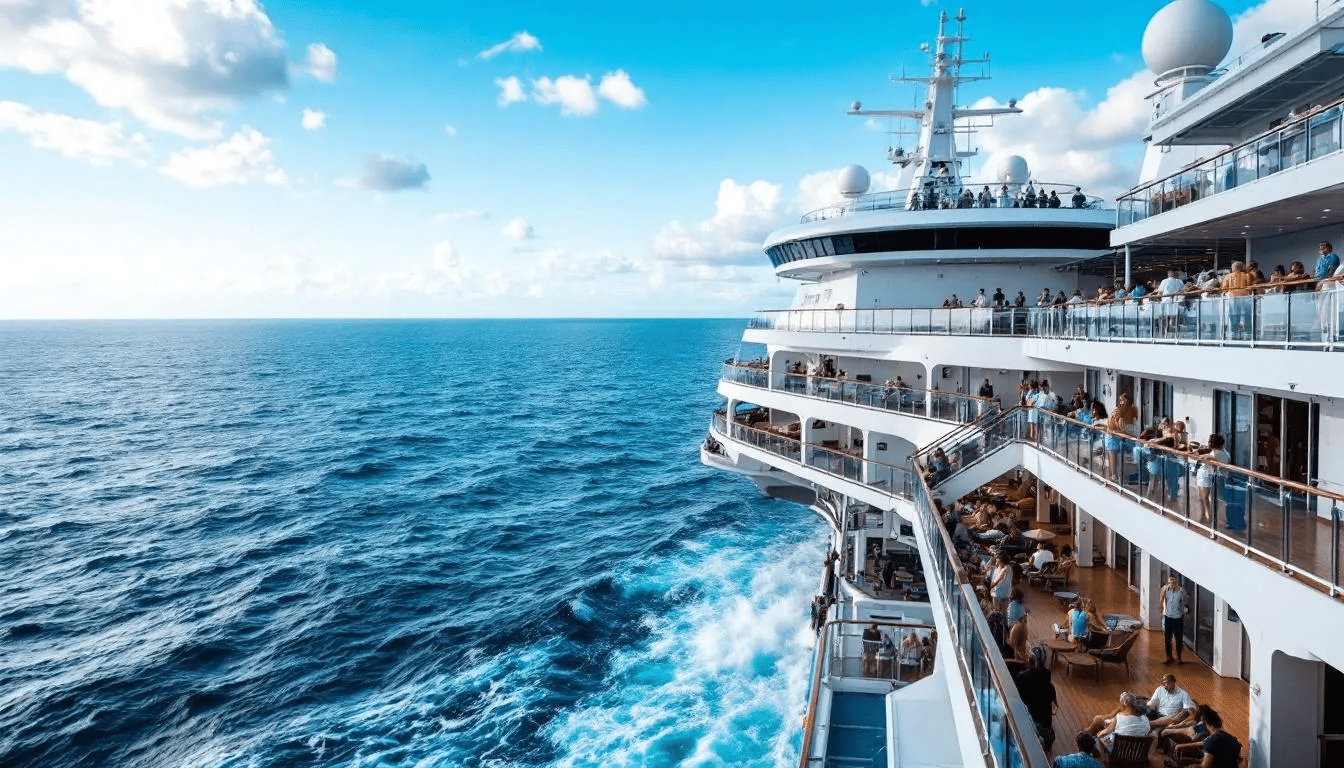
Unlike car accidents or slip and falls on land, cruise ship accidents fall under complex federal maritime law with unique deadlines, jurisdictional rules, and contractual limitations that can trap the unprepared. A cruise ship accident lawyer specializes in navigating these treacherous legal waters to help injured passengers recover the compensation they deserve.
What Is a Cruise Ship Accident Lawyer?
A cruise ship accident lawyer is a specialized attorney who handles injury cases occurring on cruise ships and maritime vessels under complex maritime law. These legal professionals focus exclusively on cruise ship negligence, passenger safety violations, and compensation claims against major cruise lines including Carnival, Royal Caribbean, Norwegian, Disney Cruise Line, and other major operators.
Unlike general personal injury lawyers who handle car accidents and workplace injuries under state law, cruise ship accident attorneys must be experts in federal maritime statutes, international shipping regulations, and admiralty law. They understand how cruise ship companies structure their legal defenses and know how to counter the sophisticated tactics employed by cruise industry attorneys.
These specialized lawyers are essential for cases involving complex jurisdictional issues, as most cruise ships fly foreign flags from countries like the Bahamas, Panama, or Liberia while operating under U.S. federal court jurisdiction. An experienced cruise ship lawyer knows how to navigate passenger ticket contracts containing forum selection clauses that require lawsuits in specific locations like Miami federal court, regardless of where the passenger lives or where the injury occurred.
The expertise required extends beyond legal knowledge to understanding ship operations, safety protocols, and industry standards. Cruise ship accident lawyers work with maritime safety experts, former Coast Guard officers, and naval architects to build compelling cases against cruise line companies that prioritize profits over passenger safety.
Why You Need Specialized Maritime Legal Representation
The unique challenges of cruise ship injury cases compared to land-based accidents make specialized maritime legal representation absolutely essential for protecting your rights and maximizing compensation.
Cruise ship cases fall under federal maritime law (46 U.S.C. § 30102) rather than state personal injury statutes, creating an entirely different legal landscape with distinct rules, procedures, and limitations. While a typical car accident case might allow 2-3 years to file a lawsuit, cruise ship accidents typically require filing within just one year, with written notice to the cruise line required within six months.
Most cruise ships fly foreign flags from countries like the Bahamas, Panama, or Liberia, creating complex jurisdictional issues that determine which laws apply and where cases can be filed. These foreign flag regulations can significantly impact liability standards and available damages, requiring attorneys who understand international maritime conventions alongside U.S. federal law.

Passenger ticket contracts contain forum selection clauses requiring lawsuits in specific locations like Miami federal court for Carnival and Royal Caribbean cases, Los Angeles federal court for Princess Cruises, or Seattle federal court for Holland America. An inexperienced attorney unfamiliar with these requirements could file in the wrong jurisdiction, resulting in case dismissal and lost legal rights.
Cruise lines employ teams of specialized maritime defense attorneys and insurance adjusters who understand every nuance of maritime law and passenger ticket contract limitations. These corporate legal teams are specifically trained to minimize payouts and exploit procedural technicalities that can derail unprepared plaintiffs. Without equally specialized representation, injured cruise ship passengers face overwhelming disadvantages in recovering fair compensation.
The evidentiary challenges in cruise ship cases also require specialized expertise. Ships operate in constantly changing environments where evidence disappears quickly through routine cleaning, witness passengers disembark and scatter globally, and security footage gets overwritten unless immediately preserved through proper legal channels.
Common Cruise Ship Accidents and Injuries
Cruise ship accidents encompass a wide range of incidents that can result in serious injuries requiring immediate medical attention and long-term treatment. Understanding these common accident types helps injured passengers recognize when they may have valid legal claims against cruise line companies.
Slip and Fall Accidents represent the most frequent type of cruise ship injury, occurring on wet decks, around pools, and on poorly maintained walkways. These accidents often cause fractures, head injuries, and spinal damage due to hard ship surfaces and inadequate warning signage. Cruise ships must maintain safe walking surfaces, but profit pressures sometimes lead to insufficient cleaning crews and delayed maintenance that creates dangerous conditions for cruise ship passengers.
Sexual Assault and Violent Crimes have become increasingly problematic, with over 150 incidents reported to the FBI since 2019. These serious crimes involve crew members or passengers, with cruise ship companies potentially liable when negligence in hiring, supervision, or response can be proven. Many cruise ships fail to conduct adequate background checks on crew members or provide sufficient security in passenger areas.
Food Poisoning Outbreaks like norovirus can affect hundreds of passengers simultaneously, requiring medical evacuation and extensive treatment. These outbreaks often result from inadequate food handling, contaminated water systems, or poor sanitation protocols that violate maritime safety standards.

Swimming Pool and Water Slide Accidents frequently occur due to defective equipment or inadequate supervision. Children and adults suffer drowning incidents, equipment-related injuries, and slip and falls around pool areas where cruise ship employees fail to maintain proper safety protocols.
Medical Malpractice by onboard medical staff employed directly by cruise lines creates complex liability issues. Ship doctors and nurses sometimes lack proper credentials, fail to diagnose serious conditions, or provide substandard emergency care that worsens passenger injuries.
Shore Excursion Accidents in foreign ports involve negligent tour operators contracted by cruise lines. While cruise companies often claim these are independent contractor relationships, courts increasingly hold major cruise lines liable when they market, promote, and profit from excursion activities that result in serious injury to cruise ship passengers.
Fire, Collision, and Mechanical Failures like the Costa Concordia disaster in 2012 and Viking Sky engine failure in 2019 demonstrate how equipment failures and crew negligence can endanger thousands of lives. These catastrophic incidents often involve multiple defendants and complex international litigation.
Legal Deadlines and Filing Requirements
Understanding and meeting strict legal deadlines represents the most critical aspect of protecting your rights after cruise ship accidents. Maritime law imposes much shorter time limits than typical personal injury cases, and missing these deadlines results in complete loss of legal rights regardless of injury severity.
One-Year Statute of Limitations
Passenger ticket contracts typically limit lawsuits to one year from the injury date, dramatically shorter than typical 2-3 year personal injury statutes in most states. This compressed timeline leaves injured passengers little time to fully understand their injuries, complete medical treatment, and investigate their claims before losing the right to file a lawsuit.
The six-month written notice requirement to the cruise line before filing a lawsuit creates an additional procedural hurdle. Failure to provide proper written notice within this deadline may result in complete claim dismissal, even if the lawsuit is filed within the one-year limitation period. This notice must include specific information about the incident, injuries, and damages, requiring careful preparation by experienced cruise ship injury lawyers.
These shortened deadlines benefit cruise companies by eliminating stale claims and reducing their liability exposure. Many injured passengers discover too late that their general personal injury attorneys failed to recognize these unique maritime requirements, resulting in forever-lost compensation opportunities.
Forum Selection and Jurisdiction
Most Carnival and Royal Caribbean cases must be filed in U.S. District Court for the Southern District of Florida in Miami, regardless of where passengers live or where injuries occurred. This forum selection requirement forces passengers from across the country to litigate in federal court thousands of miles from home, increasing legal costs and complexity.
Princess Cruises cases typically require filing in the Central District of California in Los Angeles, while Holland America cases often mandate filing in the Western District of Washington in Seattle. These forum selection clauses are strictly enforced by federal courts, and filing in the wrong location results in case dismissal.
Foreign-flagged vessels may involve complex choice of law issues between U.S. maritime law and foreign regulations. Ships flagged in Bahamas, Panama, or Liberia may claim protection under those countries’ laws, though U.S. courts generally apply American maritime statutes to protect cruise ship passengers departing from U.S. ports.
Experienced cruise ship accident attorneys understand these jurisdictional complexities and ensure cases are filed in proper venues within required deadlines. They also know how to navigate forum non conveniens motions where cruise lines attempt to force litigation into inconvenient foreign courts.
Types of Compensation Available
Injured cruise ship passengers can recover various types of compensation through successful maritime personal injury claims, though the amounts and categories may differ from typical land-based personal injury cases under general maritime law.
Economic Damages
Medical expenses represent the most significant component of economic damages in cruise ship injury cases. This includes emergency evacuation costs, foreign hospital bills, ongoing treatment expenses, and future medical care related to cruise ship injuries. Emergency helicopter evacuations can cost $50,000 or more, while extended hospital stays in foreign countries often exceed $1,000 per day without insurance coverage.
Lost wages and future earning capacity compensation applies when passengers cannot work due to injuries sustained during cruise accidents. Courts calculate these damages based on pre-injury income, career prospects, and medical evidence regarding disability duration and severity.
Travel and accommodation costs for family members during medical treatment may be recoverable, especially when cruise ship negligence necessitates extended foreign hospitalization. These expenses can quickly accumulate when family members must travel internationally and stay near foreign medical facilities for weeks or months.
Non-Economic Damages
Pain and suffering compensation addresses physical discomfort and emotional trauma resulting from cruise ship accidents. These damages can be substantial in cases involving serious injuries, sexual assault, or life-threatening incidents that cause ongoing psychological harm.
Loss of enjoyment of life damages apply when permanent disabilities affect daily activities, hobbies, and life satisfaction. Courts consider age, pre-injury activity level, and medical evidence of functional limitations when calculating these non-economic damages.

Wrongful death damages under the Death on the High Seas Act (DOHSA) include lost companionship, funeral expenses, and financial support for surviving family members. However, DOHSA traditionally limited recovery compared to state wrongful death statutes, though recent amendments have expanded available damages for deaths occurring within 12 nautical miles of shore.
The cruise industry’s contractual limitations sometimes attempt to cap damages or exclude punitive damages, though courts may void these provisions when cruise line negligence is particularly egregious. Experienced cruise ship accident lawyers know how to challenge these limitations and maximize available compensation for their clients.
Evidence Critical for Cruise Ship Accident Cases
Preserving and collecting proper evidence immediately after cruise ship accidents often determines the difference between successful compensation recovery and claim denial. The unique shipboard environment creates special challenges for evidence preservation that require prompt action by injured passengers and their families.
Immediate photography of the accident scene before cruise staff cleanup and deck washing provides crucial documentation of dangerous conditions. Ship crews routinely clean and repair hazardous areas within hours of incidents, eliminating physical evidence of negligence. Passengers must photograph wet decks, broken equipment, missing warning signs, or inadequate lighting before these conditions are corrected.
Witness contact information from other passengers must be obtained before disembarkation when witnesses scatter to their home countries and become difficult to locate. Cruise ship passengers come from around the world, and identifying helpful witnesses weeks or months later may be impossible without immediate action.
Medical documentation from the onboard medical center and shore-based follow-up treatment creates essential evidence linking injuries to cruise ship accidents. Ship medical staff sometimes downplay injuries or provide inadequate treatment, making thorough documentation of initial examinations and subsequent care critical for proving damages.
Ship security camera footage obtained through the federal court discovery process often provides the strongest evidence of how accidents occurred and whether cruise ship employees followed proper safety protocols. However, this footage may be automatically deleted unless cruise ship accident attorneys immediately send preservation notices to prevent evidence destruction.

Incident reports filed with ship security or guest services departments create official records of accidents, though cruise lines sometimes attempt to minimize details or shift blame to passengers. Demanding copies of these reports and reviewing them for accuracy helps ensure proper documentation of cruise ship negligence.
Passenger ticket contracts and boarding documentation showing contractual terms and cruise itinerary establish jurisdiction, applicable law, and deadline requirements for legal action. These documents also identify potential defendants and insurance coverage that may be available for compensation.
Maintenance records, employee training files, and safety inspection reports obtained through litigation discovery often reveal patterns of negligence and cost-cutting measures that contributed to accidents. Cruise ship accident lawyers use these internal documents to build compelling cases against major cruise lines that prioritize profits over passenger safety.
Choosing the Right Cruise Ship Accident Attorney
Selecting qualified legal representation can determine whether injured cruise ship passengers recover fair compensation or lose their rights entirely due to maritime law’s complex requirements and strict deadlines.
Essential Qualifications
Board certification or extensive experience in admiralty and maritime law represents the most important qualification for cruise ship accident attorneys. Maritime law differs substantially from general personal injury practice, requiring specialized knowledge of federal statutes, international conventions, and shipboard operations that general practitioners simply don’t possess.
Federal court licensing in jurisdictions where cruise cases are typically filed—particularly the Southern District of Florida, Central District of California, and Western District of Washington—is essential since most cruise ship injury lawsuits must be filed in these specific federal courts regardless of where passengers live.
Proven track records with settlements and verdicts against major cruise lines exceeding $1 million demonstrate an attorney’s ability to handle complex maritime litigation and negotiate with sophisticated cruise industry defense teams. Experienced cruise ship lawyers should be able to provide specific examples of successful outcomes in similar cases.
Membership in the Maritime Law Association and recognition by Best Lawyers or Super Lawyers in maritime practice indicates peer recognition and specialized expertise in admiralty law. These professional credentials help identify attorneys who focus specifically on maritime injury cases rather than general personal injury practice.
Access to maritime experts including former Coast Guard officers, naval architects, and cruise industry safety professionals is crucial for building technical evidence necessary to prove cruise line negligence. Experienced maritime attorneys maintain relationships with these specialized expert witnesses.
Warning Signs to Avoid
General personal injury lawyers without specific cruise ship case experience often lack the specialized knowledge necessary to handle maritime litigation effectively. These attorneys may miss critical deadlines, file in wrong jurisdictions, or fail to understand unique maritime law requirements that could destroy their clients’ cases.
Attorneys who cannot provide specific examples of cruise line settlements or verdicts likely lack meaningful experience with cruise ship accident cases. Passengers should demand detailed information about an attorney’s actual cruise ship case results before retaining representation.
Law firms requesting upfront fees rather than contingency representation may indicate inexperience with standard maritime injury practice or financial desperation. Established cruise ship accident lawyers typically work on contingency fees, getting paid only when they recover compensation for their clients.
Lawyers unfamiliar with passenger ticket contract terms and maritime jurisdiction requirements demonstrate lack of specialized expertise essential for cruise ship cases. These attorneys may make fundamental errors that result in case dismissal and loss of legal rights.
Promises of quick settlements or guaranteed outcomes should raise red flags, as cruise ship cases often require extensive investigation, expert testimony, and complex litigation against well-funded corporate defendants with sophisticated legal teams.
Immediate Steps After a Cruise Ship Accident
Taking proper action immediately after cruise ship accidents can preserve critical evidence and protect legal rights that determine compensation recovery success. The unique shipboard environment requires specific steps that differ from typical land-based personal injury procedures.
Onboard Actions
Seeking immediate medical attention from the ship medical center and requesting detailed written reports creates essential documentation linking injuries to cruise ship accidents. Even seemingly minor injuries should be examined and documented, as symptoms may worsen or complications may develop after disembarkation.
Reporting accidents to guest services and security while demanding written incident report copies establishes official records of cruise ship negligence. Passengers should insist on reviewing these reports for accuracy and completeness before signing, as cruise staff sometimes attempt to minimize details or shift blame.
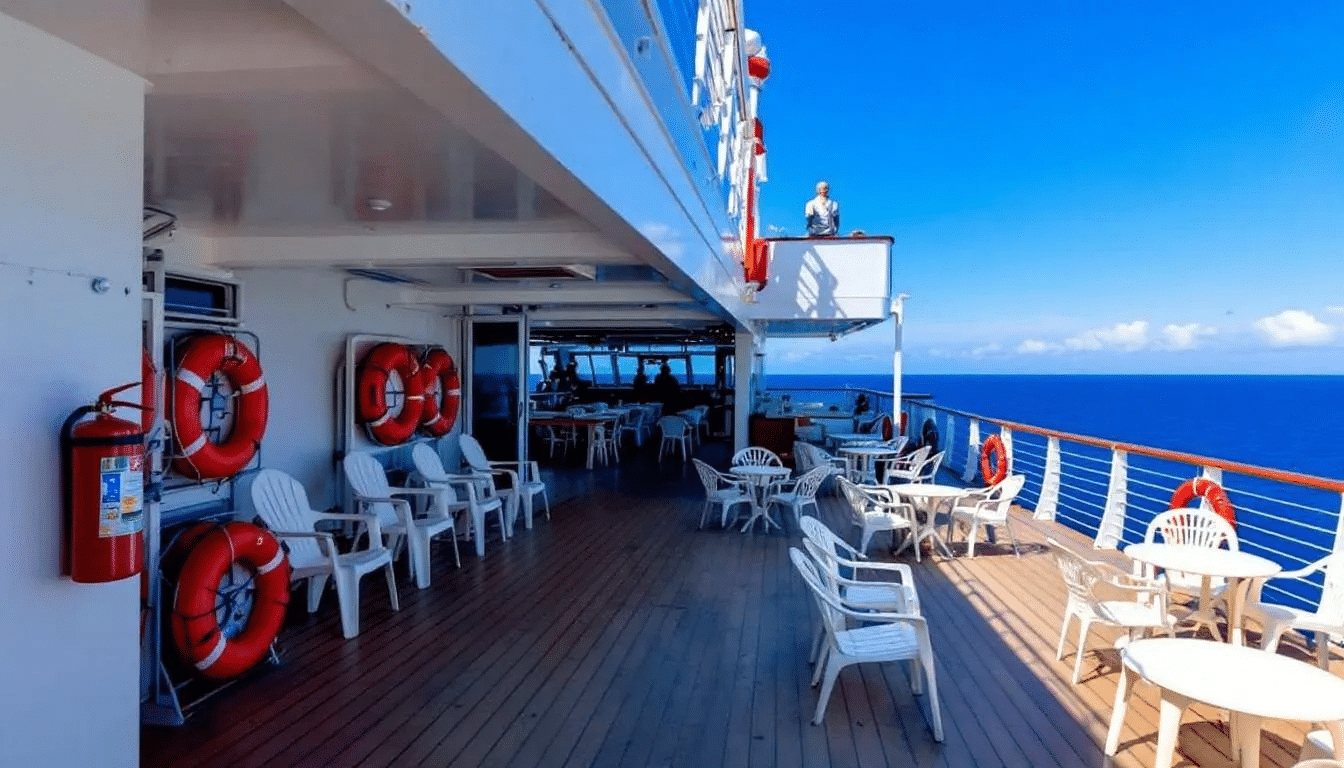
Documenting accident scenes with photos and videos before cleanup operations preserve critical evidence of dangerous conditions that caused injuries. Ship crews routinely clean and repair hazardous areas within hours, eliminating physical evidence necessary to prove negligence claims.
Collecting witness contact information from other passengers before disembarkation ensures availability of testimony supporting accident claims. Cruise ship passengers come from around the world and become difficult to locate once they return home, making immediate contact information collection essential.
Preserving clothing, shoes, and personal items that may serve as evidence helps document how accidents occurred and the severity of resulting injuries. These items should be stored without cleaning to maintain their evidentiary value for potential litigation.
Post-Cruise Requirements
Contacting specialized cruise ship accident lawyers within 48 hours of returning home ensures prompt legal action to preserve evidence and meet strict maritime deadlines. General personal injury attorneys often lack the specialized knowledge necessary to handle cruise ship cases effectively.
Obtaining follow-up medical treatment and maintaining detailed records of all expenses creates documentation necessary to prove damages and recover medical costs. Gaps in treatment may allow cruise lines to argue that injuries weren’t serious or weren’t caused by shipboard accidents.
Avoiding settlement releases or communications with cruise line claims adjusters without legal representation protects passengers from signing away valuable rights for inadequate compensation. Cruise line adjusters are trained to minimize payouts and exploit passenger unfamiliarity with maritime law.
Sending required written notice to cruise lines within six-month deadlines preserves legal rights that could be forever lost through procedural default. This notice must include specific information about incidents, injuries, and damages that require careful preparation by experienced maritime attorneys.
Collecting and organizing all cruise-related documentation including tickets, boarding passes, medical records, photographs, and witness information helps attorneys build strong cases against cruise ship companies. Complete documentation packages demonstrate preparation and seriousness that can influence settlement negotiations.
The complex nature of cruise ship accident cases requires immediate action by qualified maritime attorneys who understand federal court procedures, jurisdictional requirements, and evidentiary preservation techniques essential for successful outcomes. Passengers who delay seeking specialized legal representation risk losing their rights entirely due to maritime law’s unforgiving deadlines and procedural requirements.
Maritime law doesn’t wait for injured cruise ship passengers to understand their rights or find appropriate legal representation. The six-month notice requirement and one-year lawsuit deadline create urgent timeframes that demand immediate action by experienced cruise ship accident attorneys who can navigate federal court jurisdiction, preserve critical evidence, and fight against sophisticated cruise industry defense teams.
If you or a loved one has been injured during a cruise vacation, contact a qualified cruise ship accident lawyer immediately to protect your rights and maximize your compensation recovery. Don’t let maritime law’s strict deadlines prevent you from getting the justice and financial recovery you deserve after cruise line negligence has damaged your life.