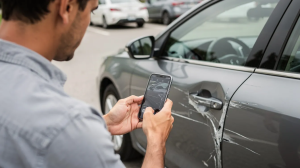
Every year, Houston records tens of thousands of car accidents—roughly 185 crashes every single day across Harris County and surrounding areas. In 2023 alone, TxDOT data showed approximately 67,644 total crashes in the Houston area, resulting in 290 fatalities and thousands of serious injuries.
Whether you’re commuting on I-45, running errands near the Galleria, or traveling through Sugar Land, understanding what to do after a Houston Texas car accident can protect your health, your legal rights, and your financial future. This guide walks you through the essential steps from the moment of impact through obtaining crash reports and knowing when to contact an attorney.

Immediate Steps After a Houston Car Accident
This is the most critical, time-sensitive guidance for anyone involved in a crash anywhere in Houston or Harris County. The actions you take in the first minutes and hours after a collision directly affect your safety, your insurance claim, and any potential legal case.
Stop and Secure the Scene
Under Texas Transportation Code §550.021, every driver involved in a crash must stop immediately at the scene. If the accident occurs on a major freeway like I-45, I-10, US-59, or the Gulf Freeway, move your vehicle off the main lanes when it’s safe to do so. Blocking traffic creates additional hazards and can lead to secondary collisions.
Step-by-Step Actions
Follow this sequence immediately after a crash:
-
Call 911 — Report the accident and request emergency services if anyone appears injured
-
Check for injuries — Assess yourself and passengers, but avoid moving anyone who may have spinal injuries
-
Turn on hazard lights — Make your vehicle visible to approaching traffic
-
Set up safety markers — Use flares or reflective triangles if available, especially on busy roads like Westheimer or Highway 6
-
Move to safety — If possible, get yourself and passengers away from traffic lanes
Request the Right Agency
The investigating agency depends on crash location:
|
Crash Location |
Agency to Request |
|---|---|
|
City of Houston limits |
Houston Police Department (HPD) |
|
Unincorporated Harris County |
Harris County Sheriff’s Office (HCSO) |
|
Sugar Land (Fort Bend County) |
Sugar Land Police Department |
|
Katy area |
Katy PD or Harris County deputies |
Exchange Required Information
Texas law requires all drivers involved in a crash to exchange:
-
Full legal names and addresses
-
Phone numbers
-
Insurance company names and policy numbers
-
License plate numbers
-
Driver’s license numbers
Document Everything
Before leaving the scene, capture evidence:
-
Photos of all vehicle damage from multiple angles
-
Skid marks on the pavement
-
Traffic signals and signage
-
Weather and road conditions (wet pavement from a Gulf storm, for example)
-
Positions of vehicles before they’re moved
-
Visible injuries
Avoid admitting fault at the scene. Limit your statements to factual information when speaking with police and first responders.
Even if injuries seem minor after a Houston crash, seek medical evaluation the same day at a local ER or urgent care. Some serious injuries—including internal bleeding and traumatic brain injuries—don’t show immediate symptoms. Early documentation also strengthens any future insurance or legal claim.
Common Causes of Car Accidents in Houston, Texas
Houston regularly records more crashes than any other Texas city. With heavy traffic on I-610, the Beltway, and dozens of major arterials, the risk factors are constant and varied.
Frequent Causes of Houston Crashes
-
Speeding on freeways — The number one cause of fatal crashes statewide, contributing to roughly 35% of deadly collisions
-
Distracted driving — Phone use, texting, and in-vehicle technology led to 89,529 Texas crashes in 2023
-
Drunk driving — Particularly common at night and on weekends after visiting bars and restaurants
-
Failure to yield — A leading cause of intersection crashes
-
Tailgating in congestion — Creates chain-reaction rear-end collisions during rush hour
-
Aggressive driving and road rage — Houston ranks number one nationally for road-rage shootings
For more information on bad driving habits that lead to car accidents, see The Morgan Legal Group’s overview.
Real-World Crash Examples
Different roadway types see different collision patterns:
-
Rear-end crashes on I-10 during morning and evening rush hour when traffic suddenly stops
-
T-bone crashes at intersections like Westheimer and Fondren where drivers run red lights
-
Wrong-way collisions on Highway 6 in the Sugar Land area, often involving impaired drivers
-
Multi-vehicle pileups on the Gulf Freeway during heavy rain events
Weather-Related Crashes
Houston’s climate creates unique hazards:
-
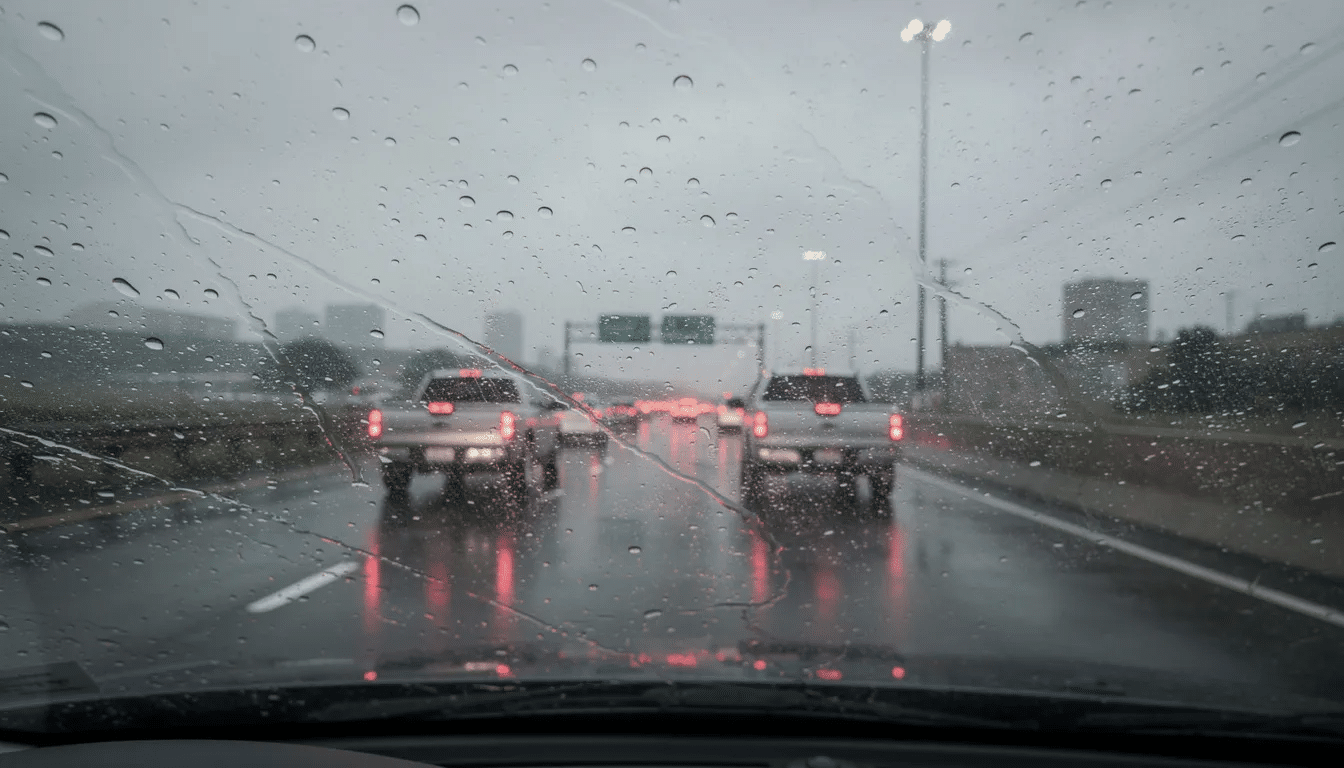
Heavy rain reduces visibility and causes hydroplaning
-
Flooded underpasses trap vehicles, sometimes with fatal results
-
Fog events, particularly in fall and winter, lead to chain-reaction crashes on freeways
High-Risk Traffic Patterns
Street racing in performance vehicles—Chargers, Camaros, and Mustangs—has been linked to fatal chases in southeast Houston. Local news reports regularly cover deadly crash incidents involving high-speed pursuits.
Commercial vehicle and 18-wheeler traffic serving the Port of Houston and petrochemical plants increases the risk of severe crashes on routes like SH-225 and Loop 610. Harris County alone sees more than 6,300 commercial vehicle crashes annually—over 17 truck-related accidents per day.
Types of Houston Car Crashes and Typical Injuries
Different crash types often cause different kinds of injuries. Understanding these patterns helps explain why some seemingly minor accidents result in serious, long-term medical problems.
Common Crash Types in Houston
|
Crash Type |
Common Locations |
Typical Causes |
|---|---|---|
|
Rear-end collisions |
Stoplights, freeway congestion |
Distraction, tailgating |
|
Side-impact (T-bone) |
Intersections |
Running red lights, failure to yield |
|
Head-on collisions |
Undivided roads, frontage roads |
Wrong-way driving, crossing medians |
|
Rollovers |
Freeways, curved roads |
Speeding, overcorrection |
|
Auto-pedestrian |
Arterials, crosswalks |
Speeding, poor visibility |
Injuries Commonly Seen After Houston Crashes
-
Whiplash and neck injuries — Especially common in rear-end collisions
-
Concussions and traumatic brain injuries — Can occur even without direct head impact
-
Broken bones — Arms, legs, ribs, and facial fractures
-
Spinal cord injuries — Potentially resulting in paralysis
-
Internal bleeding — May not be immediately apparent
-
Soft-tissue damage — Muscle strains, ligament tears, and bruising
Fatal and Serious Outcomes
Auto-pedestrian collisions on major roads like Westheimer or Bissonnet after dark frequently result in fatalities. In 2024, at least 119 pedestrians were killed on Houston city streets—nearly one person every three days. Many of these deaths occurred in broad daylight on wide, multi-lane arterials.
Some injuries don’t show symptoms for hours or even days. Early diagnosis is vital both medically and for any future insurance or legal claims.
Protecting Your Medical and Legal Interests
-
Follow all treatment plans prescribed by your doctors
-
Attend every follow-up appointment
-
Keep copies of all medical records, prescriptions, imaging results, and work-restriction notes
-
Document how injuries affect your daily activities
Houston Police, TxDOT, and Crash Reports
Official crash reports serve as crucial evidence for insurance claims and lawsuits after a Houston wreck. Understanding how to obtain these documents can significantly strengthen your case.
The CR-3 Crash Report
When there is injury, death, or property damage likely exceeding $1,000, HPD or the investigating agency prepares a Texas Peace Officer’s Crash Report (Form CR-3). This document captures:
-
Contributing factors (speeding, distraction, alcohol)
-
Road and weather conditions
-
Injury severity categories
-
Occupant information
-
Whether safety devices were used
How Crash Reports Are Filed
Under Texas Transportation Code §550.062, crash reports are submitted to the Texas Department of Transportation (TxDOT) and entered into the Crash Records Information System (CRIS). Reports are generally retained for 10 years plus the current year.
Obtaining Your Crash Report
|
Detail |
Information |
|---|---|
|
What is a CR-3? |
Official Texas Peace Officer’s Crash Report |
|
Where to get it |
TxDOT’s Crash Report Online Purchase System |
|
Typical cost |
Small fee plus card processing surcharge |
|
Delivery method |
Email (PDF format) |
|
Who is eligible |
Drivers, vehicle owners, insurers, and others with legal/financial interest per Texas Transportation Code §550.065 |
Non-qualifying requestors may only receive redacted reports. Dash-cam footage or scene photos must be requested separately from HPD, HCSO, or the specific local police department handling the investigation.
Upcoming Changes
TxDOT is shifting toward electronic subpoena and affidavit filing through the CRIS Request system. Mail-in requests are being phased out after early 2025. Attorneys and authorized parties can now use the system to obtain records more efficiently.
Texas Car Accident Laws: Deadlines and Fault Rules
Texas uses an at-fault (tort) system for car accidents. This means the driver who caused the crash—through their insurer—is financially responsible for injuries and property damage.
Modified Comparative Negligence
-
An injured person can recover damages if they are 50% or less at fault
-
Recovery is completely barred if the injured person is 51% or more responsible
-
Compensation is reduced by the injured party’s percentage of fault
Example: If you’re awarded $100,000 but found 20% at fault, you receive $80,000.
Key Deadlines for Houston Crashes
-
Personal injury lawsuits: Generally two years from the date of the accident
-
Property damage claims: Two years from the accident date
-
Wrongful death claims: Two years from the date of death
-
Claims against government entities: Shorter notice requirements (often six months or less)
Key Houston Crash Deadlines at a Glance:
2 years for personal injury/property damage lawsuits
6 months (or less) for notice to government entities
Preserve evidence immediately—don’t wait
Special Rules for Government Vehicles
When a crash involves City of Houston vehicles, Harris County fleet vehicles, school district buses, or other public entities, strict notice provisions apply. Missing these deadlines can bar your claim entirely.
Types of Damages Available
-
Lost wages and reduced earning capacity
-
Property damage (vehicle repair or replacement)
-
Pain and suffering
-
Physical impairment and disfigurement
-
Wrongful death damages for families (funeral costs, loss of companionship, lost financial support)
Evidence That Strengthens Your Claim
-
CR-3 crash report from TxDOT
-
Medical records and bills
-
Scene photos and video
-
Witness statements and contact information
-
Insurance correspondence
-
Employment records showing lost wages
Preserve this evidence from the earliest days after your crash.
When to Contact a Houston Car Accident Lawyer
Serious or disputed crashes in Houston often warrant help from an experienced local personal injury attorney. While not every fender-bender requires legal representation, certain situations demand professional guidance.

Scenarios Requiring Legal Consultation
Contact an attorney quickly if your crash involves:
-
Fatalities or wrongful death
-
Severe injuries requiring hospitalization or surgery
-
Possible long-term disability or permanent impairment
-
Commercial vehicle or 18-wheeler involvement
-
Drunk driving or impaired driver
-
Hit-and-run incidents where the suspect fled
-
Multi-vehicle pileups with disputed liability
-
Government vehicles with special notice deadlines
What a Houston Car Accident Attorney Can Do
A local attorney familiar with Houston roads and courts can:
-
Investigate the crash scene and gather additional evidence
-
Obtain HPD or TxDOT reports through proper channels
-
Analyze all available insurance coverage
-
Negotiate with insurers who may offer lowball settlements
-
Coordinate subpoenas through TxDOT’s CRIS Request system
-
File suit before statutory deadlines expire
-
Represent you at trial if settlement isn’t possible
Preparing for Your Consultation
Bring these items to your initial meeting:
-
Crash report number (if available)
-
Your auto insurance policy information
-
Medical bills and records
-
Vehicle repair estimates
-
Photos from the scene
-
Any correspondence from insurance companies
-
Contact information for witnesses
Understanding Fee Arrangements
Most Houston car accident attorneys work on contingency—meaning they only get paid if you recover compensation. Initial consultations are typically free. However, contacting counsel well before the two-year filing deadline is essential. Evidence disappears, witnesses forget details, and deadlines can sneak up quickly.
If you’ve been involved in a crash in Houston, Sugar Land, Katy, or anywhere in the surrounding communities, taking action early protects both your health and your legal rights. Seek medical attention the same day—even for injuries that seem minor. Document everything at the scene. Obtain your official crash report through TxDOT.
And if your injuries are serious, if the other driver was impaired, or if insurance companies aren’t treating you fairly, don’t navigate the process alone. A Houston car accident lawyer can help you understand your options and fight for the compensation you deserve. The clock starts running the moment the crash happens—make sure you’re ready.