Oilfield Accidents in West Texas: Why They Keep Happening in the Permian Basin
Texas leads the nation in oil and gas production—and unfortunately, in oilfield accident rates as well. The Permian Basin, stretching across Midland, Odessa, Andrews, Pecos, and Monahans, represents the epicenter of American energy extraction and is the core region for oilfield accidents West Texas, where workers face some of the highest risks in the industry.
The numbers tell a stark story. According to CDC and BLS data from 2014-2019, Texas recorded more than 200 oil and gas extraction deaths during that period. Nationally, fatalities in the oil and gas industry nearly quadrupled from 30 in 2016 to over 100 by 2019, driven largely by rapid expansion in the Permian Basin. Even as technology has advanced, the fatality rate has remained stubbornly high, with Texas recording 36 deaths in 2023 alone.
Many oilfield accidents in West Texas are entirely preventable. The same factors appear repeatedly: production pressure that prioritizes speed over worker safety, long hours that leave crews exhausted, and lax enforcement of safety measures on remote lease sites. When companies push for faster completions and higher output, corners get cut—and workers pay the price with severe injuries or even death.
At The Morgan Legal Group, we routinely see the same patterns of negligence in real Texas cases. Whether it’s a struck-by incident on a drilling rig outside Midland, a trucking crash on Highway 191, or a pressure-related explosion at a frac site near Odessa, the underlying causes trace back to decisions made by companies that prioritized profit over proper safety protocols. Understanding why these accidents happen is the first step toward holding negligent parties accountable.
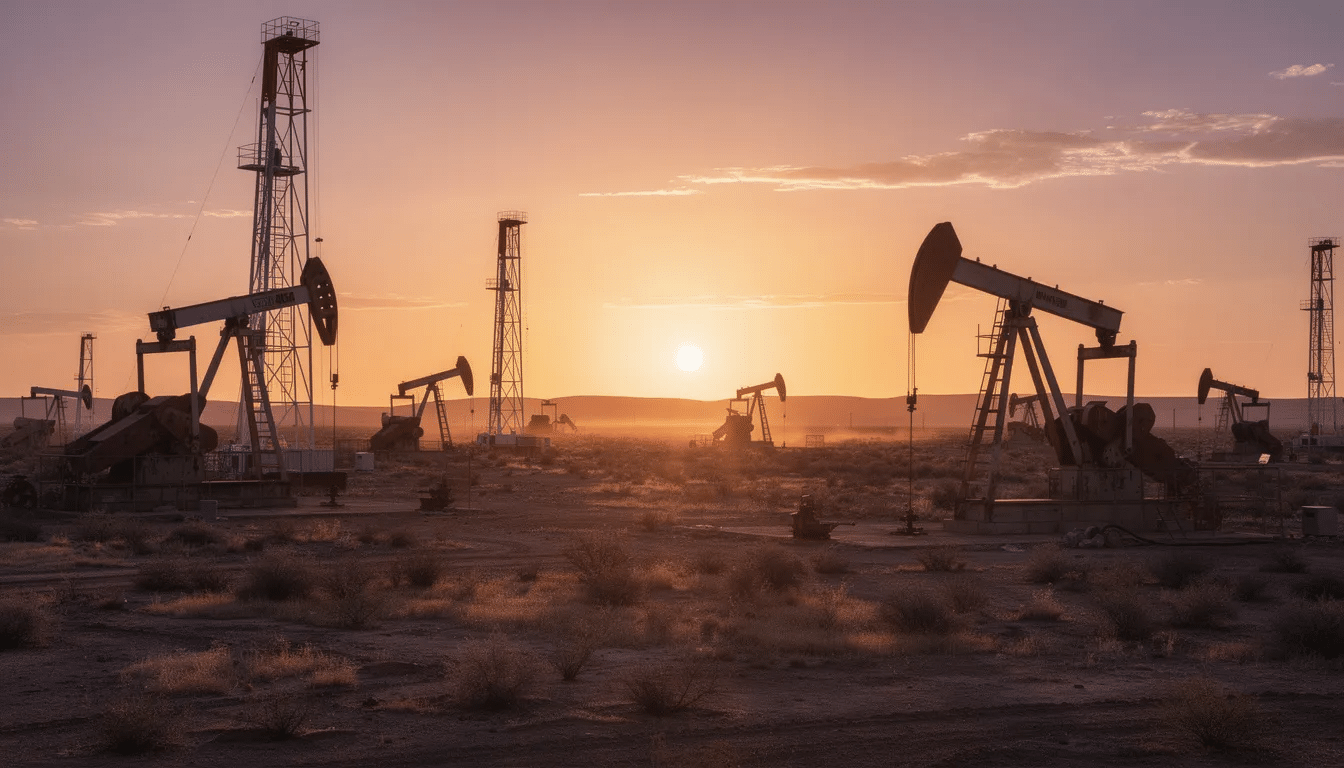
Major Oilfield Accidents in West Texas and the Permian Basin
Recent incidents in Midland, Odessa, and surrounding Permian towns demonstrate how quickly routine oilfield operations can turn deadly. While national headlines occasionally cover major disasters, countless serious accidents occur without widespread attention—their stories surfacing only when injured workers or grieving families seek legal help.
Andrews County Pipeline Explosion (2022): A pipeline rupture near Andrews resulted in a fire that caused serious oilfield injuries to multiple workers performing maintenance operations. Investigators found evidence of corroded pipe sections that had not been replaced despite inspection recommendations.
Midland Frac Site Incident (2023): A high-pressure iron failure during completion operations at a location outside Midland caused catastrophic injuries to a floor hand. The failure occurred at a connection point where torque specifications had not been properly verified during rig-up.
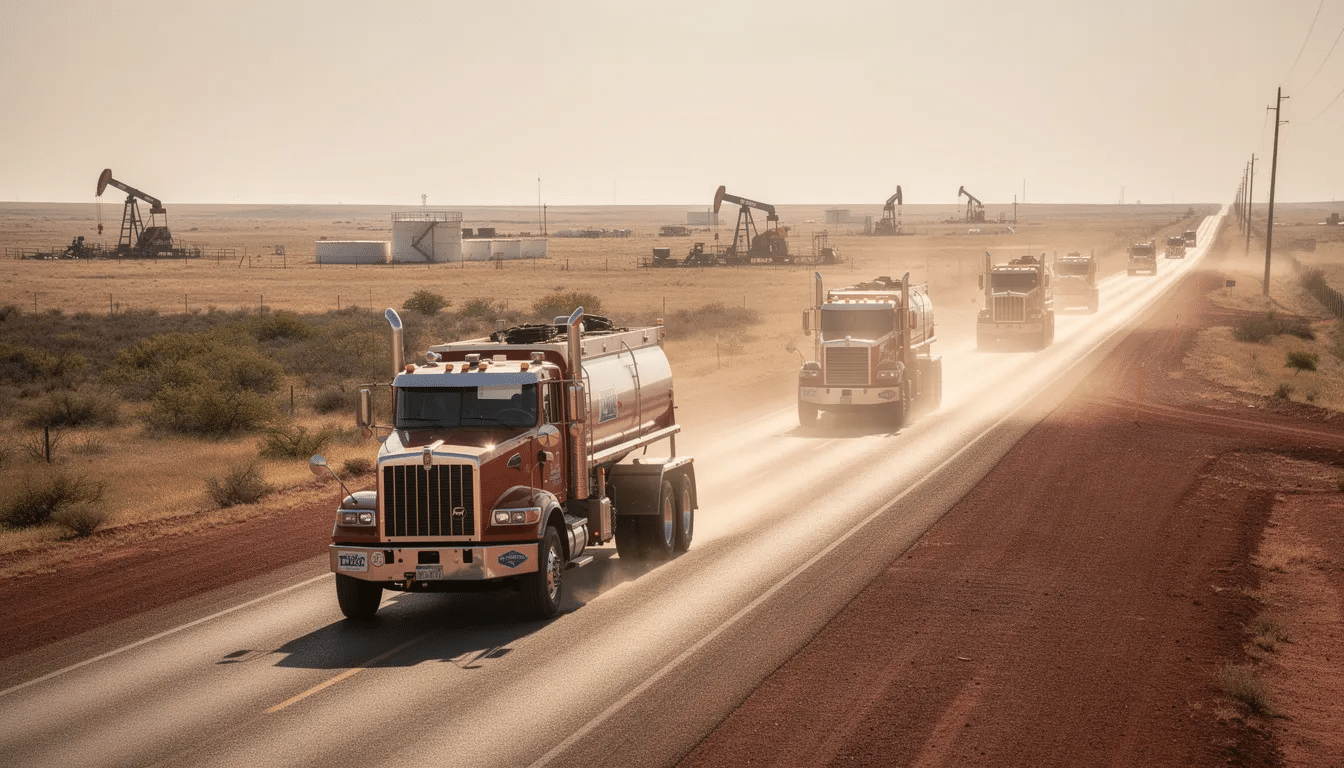
Highway 191 Tanker Crash (2024): A vacuum truck driver transporting produced water rolled over on State Highway 191 between Midland and Odessa during early morning hours. Hours-of-service violations and fatigue were cited as contributing factors in the crash that killed the driver and injured another motorist.
Big Spring Refinery Fire (2019): A refinery fire in the Big Spring area resulted in multiple injuries and required evacuation of nearby residents. The incident was traced to maintenance failures in processing equipment and inadequate hot-work permitting procedures.
Pecos Well Blowout (2021): An uncontrolled release of hydrocarbons during workover operations near Pecos caused burns and respiratory issues for several crew members. Investigation revealed that blowout preventer testing had been skipped to meet production deadlines. For information on other serious industrial and truck accidents, see the Morgan Legal Group’s archives.
These events represent only a fraction of the accidents that occur across the Permian Basin each year. Many incidents never make headlines, but the injuries and deaths are no less devastating to the workers and families affected.
High-Pressure & Equipment Failures in the Permian Basin
Modern fracking and completion work around Midland and Odessa involves operating pressures of 8,000 to 10,000+ psi—and sometimes even higher during zipper frac operations. At these pressures, any equipment malfunction becomes potentially catastrophic, capable of causing fatalities, amputations, and devastating crush injuries in an instant.
Common failure points in high-pressure operations include:
Worn iron and flowlines that have exceeded their safe service life
Improper torque on connections during rig-up procedures
Skipped pressure testing to save time between stages
Inadequate lockout/tagout procedures during maintenance
Failed relief valves and pressure monitors that should prevent over-pressurization
Between 2023 and 2025, the Permian Basin has seen multiple incidents where high-pressure lines, pumps, or valves failed during completions work. These failures have resulted in workers losing limbs to high-pressure fluid strikes, suffering traumatic injuries from whipping iron, and sustaining fatal injuries when equipment connections failed catastrophically.
The Morgan Legal Group’s industrial investigation experience includes analyzing failed iron, pressure charts, and equipment maintenance records to prove negligence. When companies skip regular equipment inspections or continue using worn components beyond their rated service life, they create conditions that make equipment failure inevitable. OSHA citations and Texas Railroad Commission investigations often reveal patterns of deferred maintenance that should have been addressed before workers were put at risk.
Explosions, Fires, and Refinery Disasters
West Texas has seen multiple refinery and gas plant explosions since 2008, including incidents near Big Spring, Odessa, and smaller processing plants around Midland County. These disasters typically result in severe injuries, evacuations, and shelter-in-place orders for surrounding communities.
The Big Spring area experienced a significant refinery incident in the late 2000s that caused injuries to workers and required emergency response from multiple counties. More recently, gas processing facilities in the Permian Basin have experienced fires related to poor maintenance practices and failure to properly purge lines before hot-work operations.
Common causes of explosions and fires in oil and gas operations include:
Poor maintenance of pressure vessels and piping
Corrosion that weakens containment systems
Failure to purge lines of flammable vapors before welding or cutting
Inadequate hot-work permitting and fire watch procedures
Ignition sources near areas with hydrocarbon vapor accumulation
Injured workers and nearby residents may have claims not only for burns and blast injuries but also for inhalation injuries from smoke and harmful substances, as well as property damage. These cases often involve multiple responsible parties, from the facility operator to maintenance contractors to equipment manufacturers.
A law firm with industrial background can obtain maintenance records, inspection logs, and process safety management documents to establish liability. The Morgan Legal Group regularly requests these materials in explosion and fire cases, often finding evidence that companies knew about hazardous conditions but failed to address them.
Deadly Oilfield Trucking & Highway Crashes
In many years, more oilfield workers in West Texas die on the road than on the rig. The combination of heavy truck traffic, rural highways, and exhausted drivers creates conditions where fatal crashes are tragically common on I-20, SH 191, SH 349, and countless remote lease roads throughout the Permian Basin.
Midland and Ector counties have recorded double-digit annual fatal truck crashes during years of peak drilling activity, including 2019, 2022, and 2024. Nationally, vehicle incidents account for 26.8% of all fatalities in oil and gas extraction, with 77% occurring on roads rather than at work sites.
Typical fact patterns in oilfield trucking crashes include:
|
Factor |
Description |
|---|---|
|
Driver Fatigue |
Vacuum truck and sand hauler operators working 12+ hour shifts |
|
Overloaded Vehicles |
Water and sand haulers exceeding weight limits |
|
Unsecured Loads |
Equipment and materials not properly tied down |
|
Poor Vehicle Maintenance |
Company pickups and trucks with brake or tire issues |
|
Pressure to Deliver |
Unrealistic schedules set by dispatchers and operators |
These crashes often involve multiple defendants. A truck driver’s employer, the oilfield service contractor who set the schedule, and sometimes the well operator who demanded unrealistic delivery timelines may all share liability. When a company requires a driver to make runs that violate hours-of-service regulations, everyone in the chain bears responsibility for the resulting crashes.
The Morgan Legal Group routinely obtains ELD (electronic logging device) data, dashcam footage, and telematics records to prove hours-of-service violations and unsafe dispatching practices. This evidence often reveals that companies knew their drivers were fatigued but prioritized production over safety.
Toxic Exposure and Hydrogen Sulfide (H₂S) Incidents
H₂S is common in Permian Basin wells and can kill within seconds at high concentrations. This deadly gas frequently accumulates in tank batteries, saltwater disposal (SWD) facilities, and pump stations around Odessa and Midland. Workers who lack proper warning systems or personal protective equipment face extreme danger during routine operations.
The Midland-Odessa area has experienced multiple H₂S incidents over the past decade where gas monitors failed, alarms were bypassed, or workers lacked proper SCBA (self-contained breathing apparatus) equipment. In several cases, workers have been overcome by toxic gas while gauging tanks or entering confined spaces without adequate ventilation or rescue plans.
Other significant toxic exposures in oil and gas operations include (see additional personal injury resources and legal insights related to oil and gas accidents):
Benzene and VOCs during tank gauging and sampling operations
Chemical burns from contact with frac fluids and treating chemicals
Silica dust from handling frac sand without proper respiratory protection
Inhalation injuries during tank fires and uncontrolled releases
Common failures that lead to toxic exposure injuries include non-functioning gas monitors, missing or expired breathing apparatus, lack of written rescue plans, and supervisors who pressure workers to enter hazardous environments without proper precautions.
Proving toxic exposure cases often requires fast preservation of gas readings, safety logs, calibration records for monitors, and maintenance documentation. The Morgan Legal Group is equipped to demand these records immediately through legal preservation letters, before companies have the opportunity to alter or destroy critical evidence.
Common Causes of Oilfield Accidents in West Texas and New Mexico
Although locations vary—from rigs outside Midland to gas plants near Carlsbad, New Mexico—the underlying causes of oilfield accidents are strikingly similar. Whether an incident occurs in the heart of the Permian Basin or in New Mexico’s portion of the Delaware Basin, the same failures appear repeatedly.
Primary Causes of Oilfield Accidents
Equipment Failure: Worn drilling and completion equipment, corroded flowlines, and inadequate pressure containment lead to catastrophic failures. Many serious oilfield injuries result from companies continuing to use equipment beyond its safe service life.
Inadequate Training: Boom cycles lead to fast hiring, with new hands placed on dangerous tasks after only days of orientation. Workers who don’t understand the risks of heavy machinery or proper safety protocols are more likely to be injured.
Fatigue and Long Shifts: The oil and gas industry routinely schedules 12-hour shifts over multiple weeks. By the end of a hitch—particularly during night shifts on days 14-21—exhausted workers make errors that lead to accidents.
Lack of Supervision: Remote locations and stretched-thin supervisory staff mean many tasks are performed without adequate oversight. CDC data shows that 20% of oilfield fatalities occur while workers are alone or unobserved.
Rushed Work: During “frac holidays” and peak drilling periods, production pressure intensifies. Jobs that should take hours get compressed into minutes, with safety steps skipped to meet deadlines.
Failure to Follow Procedures: Written procedures exist for most oilfield operations, but the culture on many locations prioritizes getting the job done over following established protocols.
These causes manifest in specific accident types: dropped drill pipe causing struck-by fatalities, rig floor crush injuries during tripping operations, rig-up/rig-down accidents when crews rush to move equipment, and line-of-fire incidents on completions crews working around high-pressure iron.
A core part of The Morgan Legal Group’s case strategy involves showing how these causes violated OSHA standards, API guidelines, or the company’s own written policies. When we can demonstrate that a company knew the right way to perform an operation but chose a faster, more dangerous method, juries respond.
Equipment Failure and Aging Infrastructure
The Permian Basin contains wells and infrastructure spanning decades. Mature fields feature corroded flowlines, aging tank batteries, and dated rig components that require vigilant maintenance to remain safe. Unfortunately, many oil companies and gas companies defer this maintenance to cut costs.
Common equipment-related accident causes include:
Neglected inspections that miss developing corrosion or wear
Skipped pressure tests on equipment rated for high-pressure service
Cost-cutting on replacement parts, with worn components kept in service
Using equipment beyond manufacturer specifications
Inadequate record-keeping that obscures maintenance histories
If you have experienced any of these issues and suffered harm as a result, consider seeking guidance from an industrial accident lawyer.
Many serious incidents involve contractors working on older wells drilled in the 1980s and 1990s that have not been modernized. Workers assume equipment meets current safety standards when it may not have been inspected or upgraded in years.
In litigation, The Morgan Legal Group seeks inspection reports, maintenance work orders, and non-conformance reports to show that companies knew of equipment risks but failed to address them. Juries often respond strongly when shown that a few thousand dollars in preventive maintenance would have prevented a catastrophic injury. The contrast between corporate profits and the cost of a simple repair makes negligence clear.
Regular equipment inspections and proper maintenance aren’t just good practice—they’re legal obligations that companies must meet to protect worker safety.
Inadequate Training, Fatigue, and Production Pressure
Boom cycles in the Permian Basin create dangerous conditions as companies scramble to hire enough workers to meet production demands. Fast hiring leads to rushed orientations, with new hands placed on dangerous tasks after only a few days of proper training—nowhere near enough to understand the significant risks of oilfield work.
The connection between fatigue and accidents is well-documented. Oilfield workers frequently:
Work 12-16 hour shifts for weeks at a time
Commute long distances between Midland, Odessa, and remote leases
Sleep in man camps with variable quality of rest
Face pressure to work through exhaustion to meet production targets
CDC research shows that many serious oilfield accidents occur at the end of a hitch—during night shifts on days 14-21—when workers are physically and mentally exhausted but still pushed to maintain production levels.
Accident types strongly associated with fatigue and poor training include:
Struck-by incidents during rig moves when tired workers lose situational awareness
Misjudged crane lifts resulting in dropped loads
Incorrect lockout/tagout procedures leading to moving equipment contact
Falls from elevated work areas due to inattention
Vehicle crashes during commutes or between locations
The Morgan Legal Group frequently uses timecards, gate logs, and text message or email records to prove unreasonable schedules and ignored safety complaints. When a company requires a worker to perform 16-hour shifts for 21 straight days and an accident results, that scheduling decision becomes central to establishing negligence.
Violations of Safety Rules and Culture Problems
Written safety manuals are common in the oil and gas industry, but the real safety culture on many West Texas locations boils down to “get it done”—even if that means skipping job safety analyses (JSAs), bypassing hot-work permits, or ignoring established procedures.
Examples of safety culture failures we see in oilfield operations include workplace accidents, which may require guidance from Houston workplace accident attorneys:
Supervisors telling hands to work under suspended loads
Bypassing guards on rotating equipment to save time
Disabling pressure alarms to avoid production shutdowns
Ignoring stop-work authority when workers raise concerns
Failing to discipline supervisors who consistently take shortcuts
When companies repeatedly ignore near-misses, dismiss safety complaints, and fail to hold unsafe supervisors accountable, they create conditions where serious accidents become inevitable. This pattern of cutting corners also supports claims for punitive damages under Texas law, as it demonstrates conscious indifference to worker safety.
The Morgan Legal Group reviews prior incident reports, safety meeting minutes, internal emails, and training records to prove patterns of negligence. When we can show that a company had multiple opportunities to address a hazard but chose not to, we build a compelling case for both compensatory and exemplary damages.
Changing this culture is one reason we push for substantial verdicts and settlements—not just to pay medical bills, but to force oil companies and their contractors toward safer practices that protect oilfield workers.
Injuries from Oilfield Accidents in West Texas and New Mexico
The injuries from oilfield accidents are often life-changing. Victims frequently require emergency treatment at Midland Memorial Hospital or Medical Center Hospital in Odessa before being airlifted to trauma centers or burn units in Lubbock, Dallas, or Houston. Hospital stays stretch for weeks or months, and many injured workers never fully recover.
Major Categories of Oilfield Injuries
|
Injury Type |
Common Causes |
Long-Term Impact |
|---|---|---|
|
Burns |
Gas ignition, tank explosions, flash fires |
Permanent scarring, chronic pain, multiple surgeries |
|
Crush Injuries |
Caught between equipment, struck by pipe |
Nerve damage, chronic pain, disability |
|
Amputations |
Rotating equipment, high-pressure releases |
Prosthetics, reduced earning capacity |
|
Spinal Cord Injuries |
Falls, vehicle crashes, dropped loads |
Paralysis, lifelong medical needs |
|
Traumatic Brain Injuries |
Struck-by incidents, falls, crashes |
Cognitive deficits, personality changes |
|
Respiratory Damage |
H₂S exposure, chemical inhalation, silica |
Chronic lung disease, reduced capacity |
These injuries affect long-term earning capacity for highly paid oilfield workers who can no longer return to heavy labor. A roustabout earning $80,000-$120,000 annually who can no longer perform physical work faces decades of lost income in addition to mounting medical bills.
Legal damages in oilfield injury cases include future medical care, life-care plans projecting lifetime needs, loss of earning capacity, and mental anguish for both the injured worker and their family. When a spouse must become a caregiver or children grow up without the active parent they once had, those losses deserve compensation.
Burns, Explosions, and Fire-Related Injuries
Burn patterns in oilfield incidents vary by accident type. Flash burns from sudden gas ignition may affect exposed skin while leaving clothing intact. Full-thickness burns from tank explosions or sustained fires cause deep tissue damage requiring extensive grafting. Inhalation damage from smoke and superheated gases can cause permanent lung injury even when external burns appear minor.
Many burn victims in the Permian Basin are airlifted from Midland or Odessa to specialized burn centers, generating staggering medical bills in the first 24-48 hours alone. A single helicopter transport can cost $50,000 or more, and burn center stays routinely exceed $10,000 per day.
Burn injury cases require specialized evidence and expert testimony:
Burn surgeons who can testify about the nature and extent of injuries
Plastic surgeons who project future reconstructive needs
Vocational experts who assess ability to return to work
Life-care planners who calculate lifetime medical costs
Preserving evidence in burn cases is critical. Clothing, personal protective equipment, and site photographs can establish flame spread patterns, ignition sources, and failures in PPE that contributed to the severity of injuries.
Burn cases often justify pursuing punitive damages where evidence shows flagrant safety violations—such as disabled fire suppression systems, missing fire extinguishers, or workers denied proper protective equipment despite known fire risks. In tragic instances where such negligence leads to a fatality, families can consider filing a wrongful death lawsuit to seek justice and compensation.
Crush Injuries, Amputations, and Orthopedic Trauma
Crush injuries and amputations occur through common mechanisms in oilfield work:
Workers caught between pipe and tongs on the rig floor
Hands and fingers crushed in chain drives and catheads
Workers pinned by forklifts or other moving equipment during rig moves
Struck by swinging loads during crane operations
Fingers and hands severed by closing doors and equipment guards
Finger and hand amputations are particularly common among floor hands, derrick hands, and equipment technicians who work close to rotating and reciprocating equipment. A single moment of inattention—or a coworker’s error—can result in permanent disability.
The long-term impact of orthopedic trauma includes:
Chronic pain requiring ongoing medication management
Multiple surgeries for hardware placement and revision
Joint replacements as initial repairs wear out
Inability to return to full-duty oilfield work
Reduced grip strength affecting daily activities
Calculating compensation for these injuries requires detailed documentation of wage history, including typical Permian Basin overtime, per diems, bonuses, and benefits. Oilfield workers often earn significantly more than their base pay suggests, and those additional earnings must be included in lost wage calculations.
The Morgan Legal Group frequently consults with orthopedic surgeons and life-care planners to project future costs for hardware removal, joint replacements, revision surgeries, and ongoing pain management. These experts help juries understand the full lifetime impact of injuries that may appear “less severe” than burns or paralysis.
Head, Brain, Spinal, and Respiratory Injuries
Traumatic brain injuries in oilfield work result from falls from the rig floor or elevated platforms, struck-by incidents involving pipe or equipment, and vehicle rollovers on lease roads. Even “mild” TBIs can cause lasting cognitive deficits, personality changes, and an inability to perform complex tasks.
Spinal cord injury scenarios we encounter include:
Falls from catwalks and derrick platforms
Workers struck by dropped drill collars or casing
High-speed trucking crashes on I-20 and rural highways
Crushing injuries from equipment tip-overs
These injuries often result in paralysis or permanent mobility limitations that end oilfield careers and require lifelong medical care. Wheelchair accessibility modifications, home health care, and specialized medical equipment add hundreds of thousands of dollars to lifetime costs.
Respiratory issues from chemical exposure represent another category of serious but often “invisible” injuries. Chronic lung problems can develop from:
H₂S exposure at tank batteries and SWD facilities
Silica dust inhalation during frac sand handling
Smoke and chemical inhalation during fires and releases
Exposure to benzene and VOCs during tank gauging
These conditions may not show immediate symptoms, requiring specialized testing and long-term follow-up with pulmonologists. Workers who dismiss initial respiratory issues as minor may develop progressive lung disease that significantly shortens their lives.
Neurological and respiratory injuries connect to non-economic damages like pain, depression, PTSD, and loss of enjoyment of life—damages that Texas juries are allowed to consider when evaluating the full impact of an injury.

Your Legal Options After an Oilfield Accident in Texas
The legal path after an oilfield accident depends on several factors: whether your employer carries workers’ compensation insurance, whether they’re a non-subscriber, and whether third parties like contractors or equipment manufacturers contributed to your injury.
Texas is unique among states because employers are not required to carry workers’ compensation insurance. This creates opportunities for negligence lawsuits against non-subscriber employers but also traps for workers who don’t understand their legal rights. Making the wrong choice early—like signing a quick settlement release—can permanently limit your recovery.
The main legal avenues available to injured oilfield workers include:
Workers’ compensation claims against subscribing employers
Non-subscriber negligence claims against employers who opted out of workers’ comp
Third-party personal injury lawsuits against contractors, equipment manufacturers, and other companies
Wrongful death claims for families who lost loved ones
The Morgan Legal Group evaluates all three angles in every oilfield case to maximize total recovery. A worker may be entitled to workers’ compensation benefits from their employer while simultaneously pursuing a third-party lawsuit against a negligent contractor—recovering far more than workers’ comp alone would provide.
Workers’ Compensation vs. Non-Subscriber Employers
Understanding your employer’s workers’ compensation status is critical after an oilfield injury.
If your employer carries Texas workers’ compensation:
Workers’ compensation provides medical coverage for work-related injuries and partial wage replacement during recovery. Benefits are paid regardless of fault—you don’t have to prove your employer was negligent to receive them.
However, workers’ comp has significant limitations:
No compensation for pain and suffering
Wage replacement is capped at a percentage of your average weekly wage
Maximum benefit periods limit long-term recovery
No punitive damages regardless of employer misconduct
Generally bars lawsuits against your direct employer
If your employer is a non-subscriber:
Many oilfield service companies, drilling contractors, and trucking outfits in Texas choose not to carry workers’ compensation insurance. When these non-subscriber employers are negligent, injured workers can generally sue them directly in Texas state court.
Non-subscriber lawsuits allow recovery for:
Full lost wages without caps
Pain and suffering
Mental anguish and emotional distress
Loss of earning capacity
Potentially punitive damages for gross negligence
For example, a Midland roustabout injured by unsafe equipment at a non-subscriber service company could bring a negligence claim seeking full compensation for all damages—not just the limited benefits available through workers’ comp.
The Morgan Legal Group can quickly determine your employer’s subscription status and guide you on whether a negligence lawsuit is possible.
Third-Party Claims Against Other Companies
Most Permian Basin worksites involve multiple companies working simultaneously: the operator who holds the lease, the drilling contractor, frac crews, wireline services, casing crews, trucking companies, and equipment vendors. When one of these third parties causes your injury, you may have a claim against them even if your direct employer carries workers’ comp.
Common third-party defendants in oilfield cases include:
Equipment manufacturers whose defective valves, pumps, sensors, or safety devices failed
Trucking companies whose drivers caused crashes
Service contractors whose employees created hazards for other workers
Operators who set unrealistic schedules or failed to coordinate site safety
Rental equipment companies that provided poorly maintained machinery
Third-party suits can seek full compensation for:
Lost future income and benefits
Pain and suffering
Physical impairment and disfigurement
Mental anguish
Loss of consortium for spouses
The Morgan Legal Group’s industrial background helps map out which company controlled which hazard on the job site—a key step in winning third-party cases. Understanding how responsibilities are divided between operators, contractors, and subcontractors often determines which companies can be held liable.
Wrongful Death Claims for Families
When a worker is killed in an oilfield accident, certain family members may bring a wrongful death claim under Texas law. Eligible claimants typically include the deceased worker’s spouse, children, and sometimes parents.
Wrongful death damages in Texas include:
|
Damage Type |
Description |
|---|---|
|
Lost Income |
Future earnings the worker would have provided |
|
Lost Benefits |
Health insurance, retirement contributions |
|
Loss of Companionship |
Emotional loss of the relationship |
|
Loss of Support |
Guidance and nurturing, particularly for children |
|
Funeral Expenses |
Reasonable burial and memorial costs |
|
Mental Anguish |
Emotional suffering of surviving family |
In egregious cases—such as accidents caused by repeated safety violations or conscious disregard for worker safety—families may also have grounds for punitive or exemplary damages intended to punish particularly bad conduct.
Families should not have to battle oil companies alone while grieving. The Morgan Legal Group handles all communication with investigators, insurance companies, and opposing counsel so families can focus on healing while we preserve evidence and build the strongest possible case.
What to Do Immediately After an Oilfield Accident
What you or your family does in the first hours and days after an accident in Midland, Odessa, or anywhere in the Permian Basin directly affects your legal rights. Taking the right steps early can mean the difference between full compensation and a denied claim.
Critical Steps After an Oilfield Accident
Get emergency medical care — Even if injuries seem minor
Report the incident — Make sure it’s documented in writing
Document everything — Photos, witness names, communications
Avoid recorded statements — Don’t give statements to insurance adjusters
Contact an oilfield accident attorney — Before signing anything
Do not sign any releases, waivers, or “incident settlement” paperwork handed to you by company representatives or insurance adjusters without first talking to an attorney. These documents often contain language that permanently waives your right to seek full compensation.
The Morgan Legal Group offers free consultations and can intervene immediately to protect evidence. We send preservation letters to companies involved, demanding they retain pressure charts, vehicle data, maintenance logs, surveillance footage, and other critical evidence before it disappears.
Immediate Medical Care and Incident Reporting
Call 911 or go to the nearest emergency room—Midland Memorial Hospital, Medical Center Hospital in Odessa, or the closest facility to your location—even if injuries seem minor. Internal injuries, traumatic brain injuries, and spinal damage may not show symptoms immediately. Adrenaline can mask pain that becomes severe hours later.
When speaking with medical providers:
Tell them the injury happened at work
Describe all symptoms, not just the most obvious ones
Mention any hazardous exposures (chemicals, gases, smoke)
Request copies of all medical records
Prompt written incident reporting to supervisors is equally important. Submit a written report and keep copies or photos of everything you submit. If the company provides its own incident report form, read it carefully before signing and correct any inaccuracies.
Delayed reporting or incomplete descriptions are commonly used by companies to argue injuries weren’t work-related or weren’t as serious as claimed. If your initial report was inaccurate or incomplete, our firm can help correct or supplement it when retained early.
Preserving Evidence and Protecting Your Claim
Evidence disappears quickly after oilfield accidents. Equipment gets repaired or replaced, sites get cleaned up, and memories fade. Taking steps to preserve evidence immediately strengthens your claim.
Document the scene (when safe to do so):
Photos and videos of the accident location
Images of equipment involved, including serial numbers
Photos of spills, debris, or hazards
Pictures of your visible injuries
Contact information for witnesses
Preserve these documents:
Pay stubs and work schedules
Text messages discussing unsafe conditions
Emails about safety concerns or complaints
Safety meeting notes and training records
Any paperwork related to the incident
Avoid these mistakes:
Don’t discuss the accident in detail on social media
Don’t give recorded statements to insurance adjusters
Don’t sign releases or settlement documents
Don’t assume the company will treat you fairly
Insurance adjusters often call quickly after accidents, seeking recorded statements that can be used against you later. Politely decline until you’ve consulted with an attorney.
The Morgan Legal Group sends legal preservation letters to secure pressure charts, electronic control data, maintenance logs, dashcam footage, and surveillance video before companies can claim this evidence was “lost” or routinely deleted.
How The Morgan Legal Group and InjuredCases.com Help Oilfield Workers
When you or a family member has been seriously injured in an oilfield accident, you need more than a general personal injury lawyer—you need a firm that understands how oil and gas operations actually work.
Founding attorney Clinton Morgan brings over 15 years of hands-on experience investigating serious accidents in industrial, oil, gas, and wind energy environments. This real-world background provides a strategic advantage when analyzing liability, understanding technical evidence, and holding corporations accountable for negligent conduct.
Our representation includes:
Independent investigation of accident sites
Obtaining company records and safety documentation
Handling all communication with employers and insurers
Calculating full damages including future losses
Preparing every case for trial
We operate on a contingency-fee basis: there are no upfront fees, and clients pay nothing unless we recover compensation. You don’t pay legal fees unless we win.
InjuredCases.com provides a way for injured workers and families to connect quickly with experienced oilfield counsel in Texas. Whether you were hurt in Midland, Odessa, Andrews, Pecos, or anywhere in the Permian Basin, we’re equipped to take action immediately.
Our Investigation and Case-Building Process
The Morgan Legal Group investigates oilfield accidents thoroughly, often visiting sites across Midland, Odessa, and greater Texas within days of an incident. We photograph equipment, document site conditions, and interview witnesses before stories change or get coordinated.
Records we obtain include:
OSHA inspection files and citations
Texas Railroad Commission reports and well files
Maintenance logs and work orders
Training records and certifications
Safety audits and JSA documentation
Electronic data from vehicles and equipment
We work with qualified experts when cases require specialized analysis:
|
Expert Type |
Role |
|---|---|
|
Safety Engineers |
Evaluate procedures and identify violations |
|
Metallurgists |
Analyze failed equipment and materials |
|
Accident Reconstructionists |
Determine how incidents occurred |
|
Trucking Experts |
Review driver logs and company practices |
|
Life-Care Planners |
Project future medical and care needs |
Our real-world industrial experience means we can read pressure charts, piping and instrumentation diagrams (P&IDs), and rig-up diagrams without relying solely on the defendant’s experts to explain what happened. This technical depth often leads to higher settlements because opposing companies know we can explain complex failures clearly to a jury.
Maximizing Compensation for Oilfield Injury and Wrongful Death Claims
We pursue every category of damages the law allows:
Economic Damages:
Past and future medical expenses
Lost wages and benefits
Loss of earning capacity
Home modifications and equipment needs
Future care costs
Non-Economic Damages:
Pain and suffering
Mental anguish
Physical impairment
Disfigurement
Loss of enjoyment of life
Wrongful Death Damages:
Loss of financial support
Loss of companionship and guidance
Funeral and burial expenses
Mental anguish of surviving family
Survival damages for the deceased’s final suffering
Oilfield workers often have high earnings with significant overtime—$80,000 to $150,000 or more annually when bonuses and per diems are included. We gather work histories, tax returns, and employer records to accurately present their true economic loss.
In serious injury cases, we work with vocational and economic experts to quantify how injuries affect long-term ability to work in heavy industry. A worker who can no longer perform physical labor may face decades of reduced earning potential.
We also look for opportunities to seek punitive or exemplary damages when companies ignore safety rules, falsify maintenance records, or manipulate training documentation. These damages send a message that safety violations have consequences.
Our goal is not just a quick settlement but full compensation reflecting the full impact on the worker and their family.
Free Consultation and How to Contact Us
Consultations are free and confidential. There are no fees unless The Morgan Legal Group recovers money for you.
If you or a loved one has been injured in an oilfield accident in Midland, Odessa, Andrews, Pecos, or anywhere in Texas or New Mexico, act quickly to protect your rights. Evidence disappears, deadlines pass, and companies work to minimize their exposure from day one.
Contact us today:
Call for immediate assistance
Submit your case through InjuredCases.com
Request a free consultation online
When you contact The Morgan Legal Group, you’ll have direct access to an attorney—not just staff members screening your call. We explain your legal options in plain language and help you understand what your case may be worth.
You won’t face any financial risk. We advance all costs of investigation and litigation. You pay nothing unless we recover compensation for your injuries.

Oilfield accidents in Texas and New Mexico are often preventable—the result of production pressure, inadequate training, worn equipment, and safety shortcuts. Workers and families who suffer the consequences deserve compensation from the companies responsible.
Taking legal action does more than secure compensation for your injuries. It helps push the oil and gas industry toward safer practices and holds negligent companies accountable for putting profits over people.
If you’ve been injured in an oilfield accident or lost a family member to workplace negligence, The Morgan Legal Group is ready to fight for the maximum compensation you deserve. Contact us today for a free consultation and let us put our industrial investigation experience to work for your case.