Individuals involved in auto collisions often encounter a range of challenges, both immediate and long-term. These challenges can significantly impact their physical, emotional, and financial well-being.
Physical Challenges
Injuries: Accidents can result in a variety of injuries, from minor scrapes and bruises to severe fractures and internal bleeding. These injuries may require immediate medical attention and ongoing treatment.
Pain and Suffering: Even minor injuries can cause significant pain and discomfort, affecting daily activities and quality of life. Chronic pain may develop in some cases after auto collision.
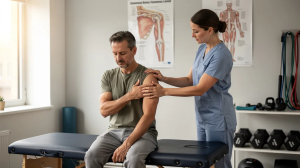
Disabilities: Severe injuries after collision can lead to long-term disabilities, limiting mobility and independence. Physical therapy and rehabilitation may be necessary to regain functionality.
Emotional Challenges
Shock and Trauma: The suddenness and severity of an accident can cause emotional shock and trauma. Individuals may experience feelings of fear, anxiety, and sadness.
Post-Traumatic Stress Disorder (PTSD): Some individuals may develop PTSD, characterized by intrusive thoughts, flashbacks, and avoidance behaviors.
Depression and Anxiety: The emotional impact of an accident can contribute to depression and anxiety, affecting relationships, work, and overall well-being.
Financial Challenges
Medical Expenses: Accidents often involve significant medical expenses, including hospital stays, surgeries, medications, and rehabilitation.
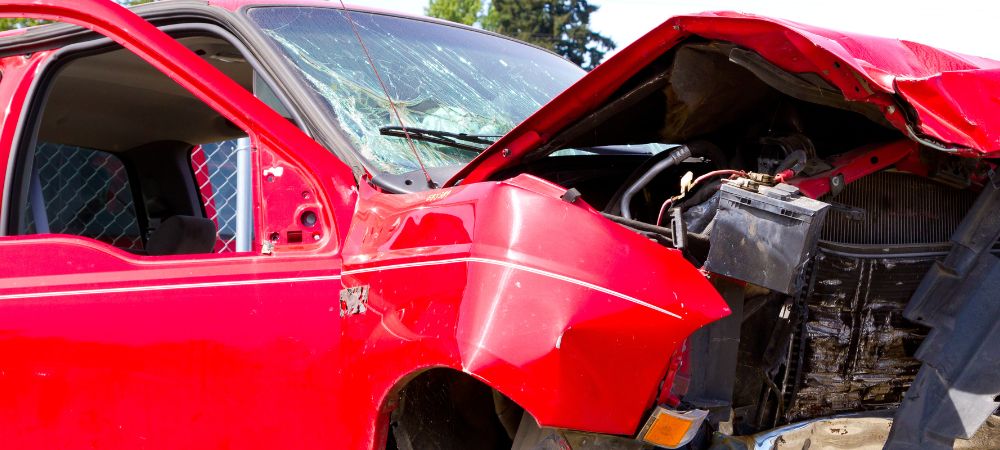
Property Damage: Vehicle damage can be costly, especially if the vehicle is totaled or requires extensive repairs.
Lost Wages: Injuries may force individuals to miss work, resulting in lost income. In severe cases, individuals may be unable to return to their previous jobs.
Insurance Claims: The process of filing insurance claims after auto collision can be stressful and time-consuming. Delays in payments or disputes with insurance companies can further exacerbate financial burdens.
The Critical Importance of Immediate Action After an Auto Collision

One of the most pressing concerns after auto collision is ensuring the safety of everyone involved. If necessary, move vehicles to a safe location to prevent further accidents or injuries. Assess for injuries and seek medical attention immediately, even if they appear minor. Ignoring potential injuries can lead to complications later on.
Another crucial step is contacting emergency services. Provide accurate information about the accident location, injuries, and any potential hazards. This will enable first responders to assess the situation and provide the necessary assistance. Additionally, documenting the accident scene through photographs and notes can serve as valuable evidence for insurance claims and legal proceedings.
Gathering information from other drivers, witnesses, and law enforcement is essential for understanding the circumstances of the accident. Exchange contact information, including names, addresses, and insurance details. This information will be crucial for contacting insurance companies and potentially resolving any disputes.
By taking these immediate actions, individuals can significantly enhance their safety and well-being after an auto collision. Remember, prompt response is key in minimizing risks and ensuring a smoother recovery process.
1. Prioritizing Safety After Auto Collision
Safety should be the top priority in the moments following an accident.
The first step is to assess the situation and determine if anyone is injured. If injuries are present, seek medical attention immediately, even if they appear minor. Ignoring potential injuries can lead to complications later on. It is crucial to prioritize the well-being of all individuals involved and to provide necessary assistance.
If the vehicles involved in the accident are obstructing traffic or posing a hazard, move them to a safe location as soon as possible. This will help prevent further accidents and reduce the risk of additional injuries. When moving vehicles, exercise caution and ensure that everyone involved is safe.
Once the immediate danger has been mitigated, it is essential to assess the extent of any injuries. Check yourself and any passengers for signs of injury, such as pain, bleeding, or difficulty moving. If you suspect a serious injury, call emergency services immediately.
2. Calling for Help
After ensuring the safety of yourself and others involved in the accident, the next crucial step is to contact emergency services. Promptly calling for assistance can be vital in obtaining timely medical care and legal support.
If there are any injuries after auto collision, it is imperative to call emergency medical services (EMS). Provide the dispatcher with accurate information about the accident location, the number of injured individuals, and the severity of their injuries. This will enable EMS to prioritize the response and dispatch the appropriate resources.
In addition to EMS, contacting the police is also essential. The police can investigate the accident, document the incident, and assist in gathering evidence. Provide the dispatcher with accurate information about the accident location, the number of vehicles involved, and any potential hazards.
While waiting for emergency services to arrive, it is important to document the accident scene. Taking photographs can provide valuable evidence for insurance claims and legal proceedings. Capture images of the damaged vehicles, the accident site, and any visible evidence. Additionally, taking notes can help you remember important details about the accident, such as the date, time, and weather conditions.
3. Gathering Information
Once emergency services have arrived and the immediate danger has been mitigated after auto collision, it is important to gather information related to the accident. This information will be crucial for contacting insurance companies and potentially resolving any disputes.
Exchange contact information with the other driver(s) involved in the accident. This includes their names, addresses, phone numbers, and insurance information. Having this information will be essential for contacting their insurance companies and resolving any claims.
In addition to the other driver(s), it is also important to obtain the contact information of any witnesses to the accident. Witnesses can provide valuable firsthand accounts of the events leading up to and after the collision. Their testimony can be crucial in determining fault and resolving any disputes.
Make sure to note the license plate numbers, vehicle makes and models of all vehicles involved in the accident. This information will be necessary for insurance claims and potential legal proceedings. Additionally, record any relevant details about the other driver(s), such as their driver’s license numbers and insurance company names.
4. Documenting the Accident
Documenting the accident is a crucial step in the aftermath of a collision. By preserving evidence, you can help to protect your rights and ensure a fair resolution of any claims.
One of the most effective ways to document an auto collision is to take detailed photographs. Capture images of the damaged vehicles from multiple angles, focusing on the areas that sustained significant damage. Additionally, take photos of the accident scene, including the road conditions, traffic signs, and any visible evidence.
Remember to take photos of any injuries you or others may have sustained. This documentation can be essential for supporting insurance claims and potential legal proceedings.
In addition to taking photographs, it is important to record the date, time, and exact location of the accident. This information can be verified through GPS data or witness accounts. The more specific you can be about the location, the better.
5. Contacting Your Insurance Company
After documenting the accident and gathering information, the next step is to contact your insurance company. Promptly reporting the incident is essential for initiating the claims process and protecting your rights.
Contact your insurance company as soon as possible and provide them with accurate details about the accident. This includes the date, time, and location of the collision, as well as information about the other driver(s) involved. Be prepared to provide details about any injuries, property damage, and any witnesses to the accident.
Your insurance company will guide you through the claims process and provide you with the necessary forms and documentation. Be sure to follow their guidelines carefully and provide any requested information in a timely manner. This will help to expedite the claims process and ensure that you receive the appropriate compensation.
The Importance of Immediate and Appropriate Actions
The aftermath of an auto collision can be a chaotic and stressful experience. However, taking immediate and appropriate actions can significantly impact the outcome of the situation.
By prioritizing safety, gathering information, and documenting the accident, you can protect yourself and others, as well as ensure a smoother claims process. The more prepared you are, the better equipped you will be to handle the challenges that may arise.