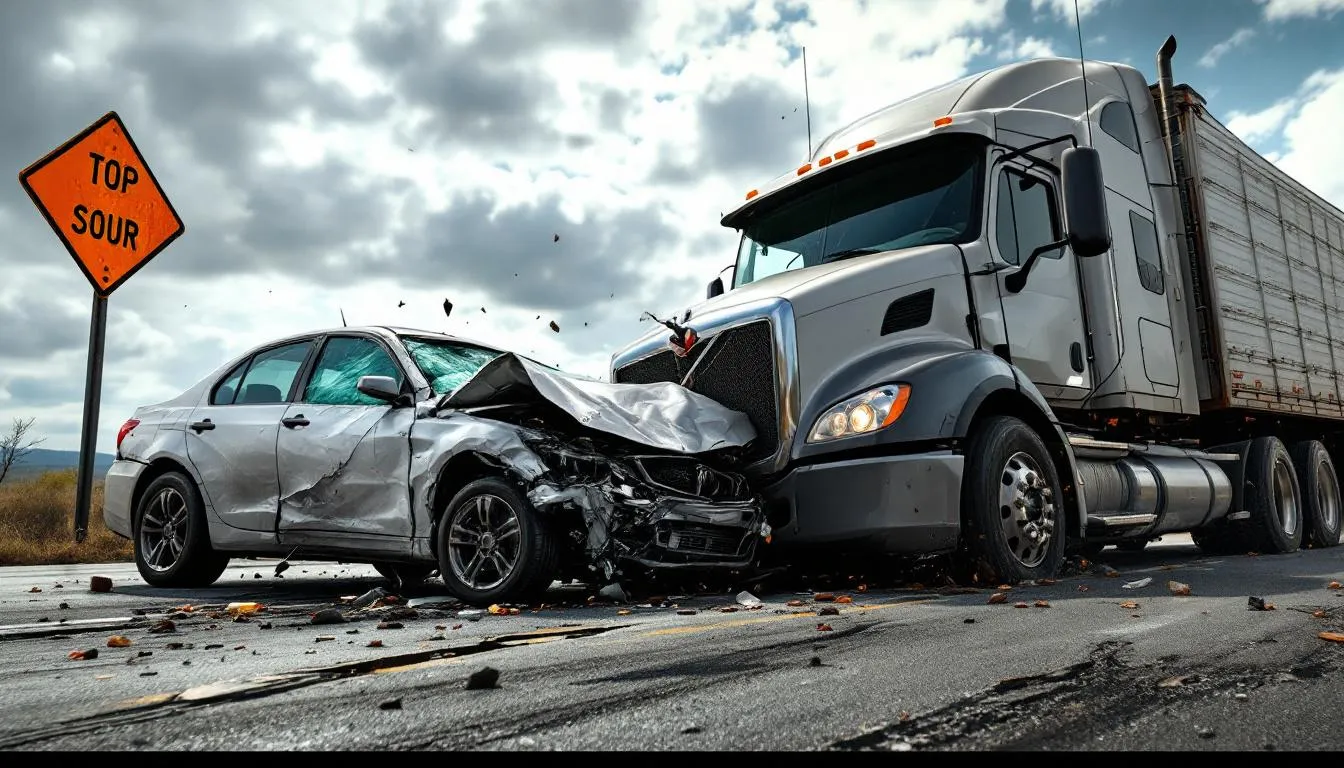
Every year, thousands of people experience the devastating reality of a truck semi accident on America’s highways. When a semi truck weighing 80,000 pounds collides with a passenger vehicle weighing just 4,000 pounds, the consequences are often catastrophic. These massive vehicles, essential to our economy, pose significant risks that every driver needs to understand.
The statistics paint a sobering picture: semi trucks are involved in approximately 494,000 crashes annually in the United States, with roughly 4,000 of these resulting in fatalities. Whether you’re sharing the road with commercial vehicles daily or you’ve been involved in such an incident, understanding the causes, types, and legal implications of semi truck accidents can be life-saving knowledge.
This comprehensive guide examines everything from common causes and accident types to legal responsibilities and prevention strategies, providing essential information for anyone navigating our nation’s highways.
Understanding Semi Truck Accidents
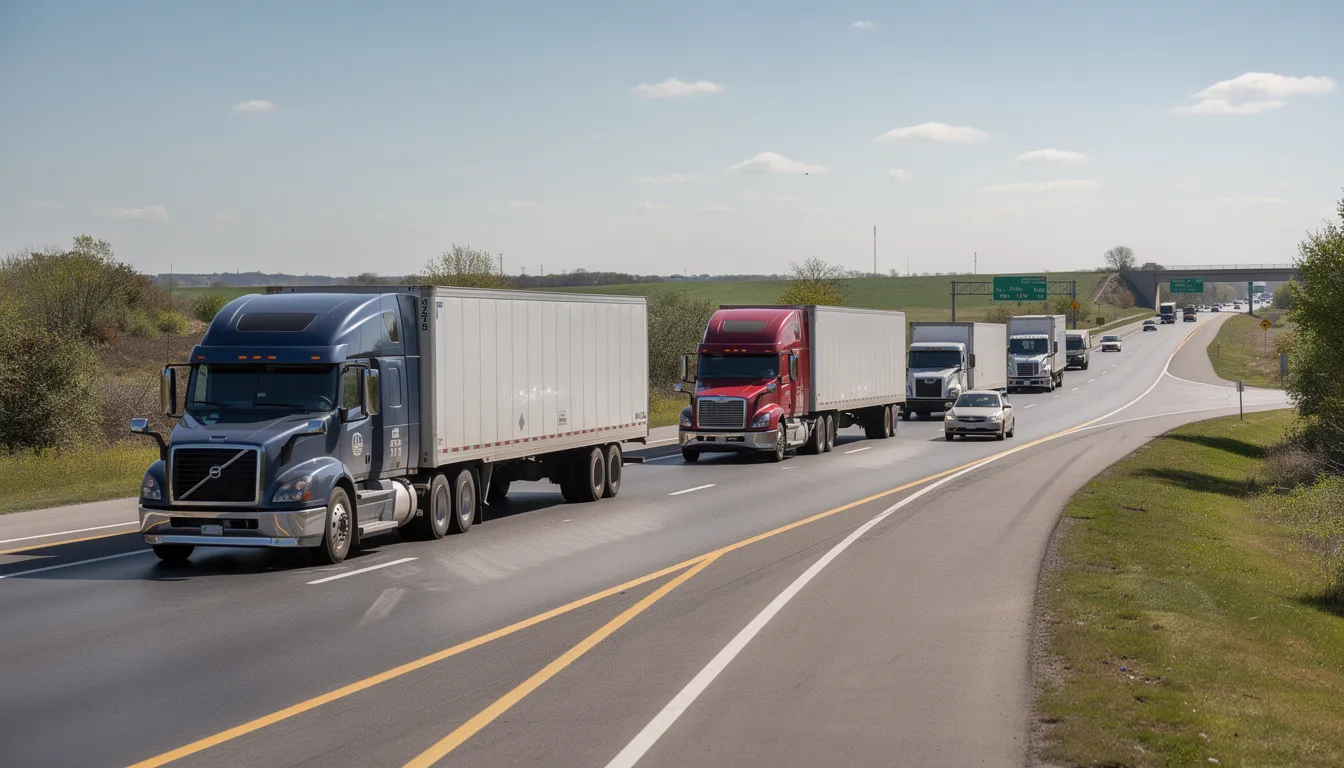
A truck semi accident differs dramatically from typical passenger vehicle collisions due to the sheer size and weight disparity involved. The average semi truck weighs 80,000 pounds when fully loaded, compared to approximately 4,000 pounds for passenger cars. This 20-to-1 weight difference means that even relatively minor impacts can result in severe consequences for smaller vehicles.
Semi trucks are involved in approximately 4,000 fatal crashes annually in the United States, according to Federal Motor Carrier Safety Administration (FMCSA) data. These accidents represent a disproportionate share of roadway fatalities when considering that commercial trucks make up only about 4% of all registered vehicles.
Recent examples highlight the severity of these incidents. On December 1, a serious crash happened on I-70 near Tonganoxie involving two semis, resulting in multiple people being injured and requiring immediate emergency response. The collision caused significant traffic disruptions and demonstrated how quickly a routine drive can turn dangerous when large commercial vehicles are involved.
The physics of truck semi accident scenarios create unique challenges. A fully loaded semi requires up to 40% more distance to stop than a passenger car, and the elevated cab position can create blind spots spanning multiple lanes. When a semi truck driver died in a recent rollover incident, investigators found that the combination of vehicle weight and road conditions created an impossible situation to negotiate safely.
Common Causes of Semi Truck Accidents
Weather conditions rank among the most significant factors contributing to semi truck accidents. Snow-packed roads create particularly hazardous situations, as evidenced by recent incidents in the I-84 Weber Canyon area where multiple commercial vehicles lost control. When roadway surfaces become slippery, the massive weight of loaded semis makes them especially difficult to control.
Driver fatigue affects approximately 30% of commercial truck accidents, making it a leading cause of serious incidents. Despite federal regulations governing hours of service, the pressure to meet delivery deadlines often pushes drivers beyond safe limits. A tired semi truck driver may not react quickly enough when traffic slowed unexpectedly, leading to devastating rear-end collisions.
Mechanical failures present another major risk factor. Brake failures, tire blowouts, and steering problems can turn a routine trip into a catastrophic event. Regular maintenance is critical, but the demanding nature of commercial trucking sometimes leads to deferred repairs that create dangerous situations on the road.
Following too closely represents a persistent problem in truck operations. The inability to stop in time due to heavy loads has resulted in numerous multi-vehicle accidents. When investigators examine crash sites, they often find that the semi truck driver could not maintain adequate following distance, especially during peak traffic hours.
Failed navigation of turns has created several high-profile incidents. The recent I-40 Briley Parkway rollover crash occurred when a driver attempted to negotiate a turn at excessive speed. The Metro Nashville Police Department investigation revealed that the briley parkway exit ramp presented challenges that the driver was unable to manage safely, resulting in the truck overturning.
Types of Semi Truck Accidents
Rear-end collisions represent the most common type of truck semi accident. These incidents typically occur when a passenger vehicle suddenly slows or stops, and the semi truck driver cannot brake in time. A 2023 incident involved a Peterbilt crashing into a 2022 Volvo semi, demonstrating that even collisions between commercial vehicles can be severe.
Jackknife accidents occur when the trailer swings out from the tractor, often creating a scenario where the truck blocks multiple lanes of traffic. These accidents frequently happen during emergency braking situations or when road conditions are poor. The blocked roadway can lead to secondary crashes as other vehicles cannot avoid the jackknifed truck.
Rollover accidents often prove fatal for semi truck drivers and nearby motorists. A 65-year-old driver died in a recent I-40 rollover when their truck overturned while attempting to navigate a curve. These incidents typically occur when drivers attempt to turn at excessive speeds or when cargo shifts unexpectedly.
Underride crashes present some of the most dangerous scenarios for passenger vehicle occupants. These occur when smaller vehicles slide under semi trailers, often resulting in catastrophic injuries or fatalities. The height difference between truck trailers and passenger cars creates a situation where standard safety features may not provide adequate protection.
Multi-vehicle pile-ups involving multiple semis can create massive traffic disruptions and multiple casualties. The three-truck I-84 crash required heavy wrecker equipment to clear the scene and resulted in extensive lane closures. These incidents often occur in poor weather conditions when visibility is reduced and road conditions are hazardous.
Injuries and Fatalities
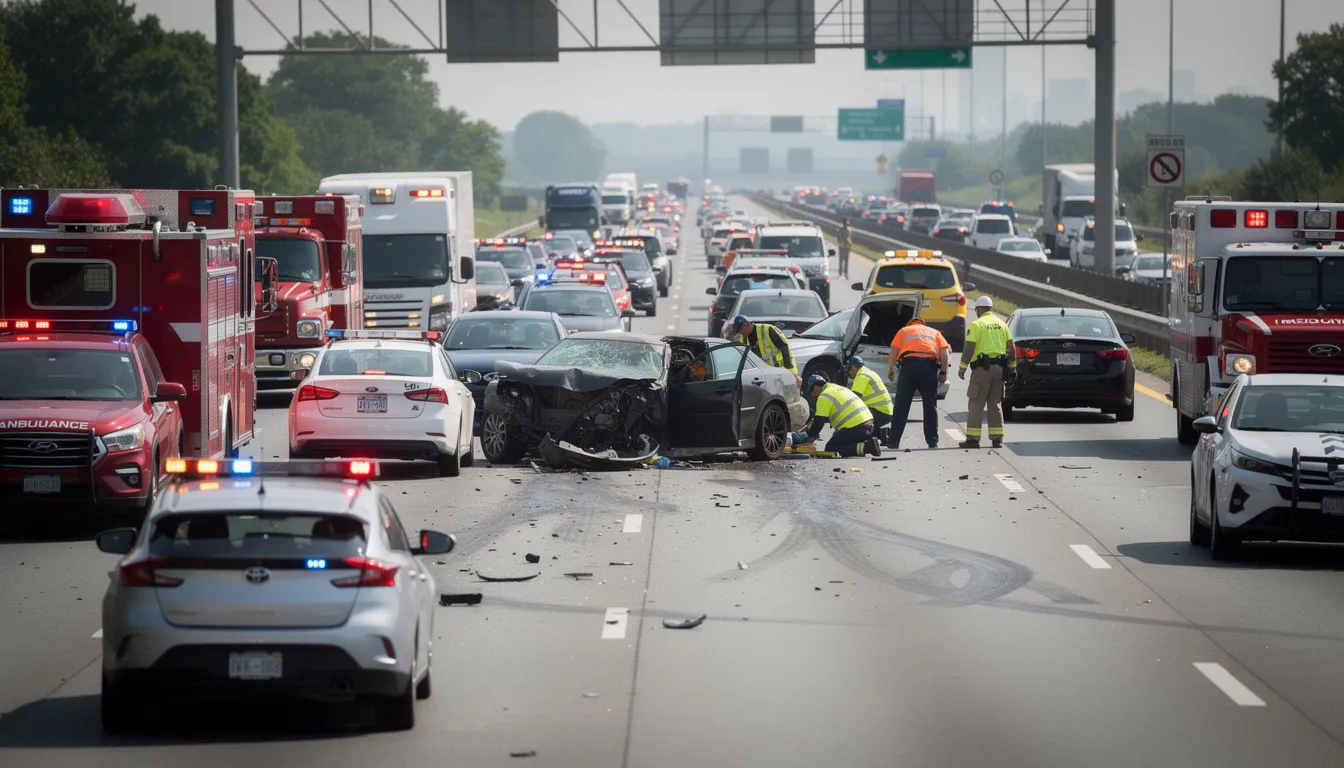
Serious injuries requiring hospitalization are common in truck semi accident cases. Recent incidents involving individuals like Joshua Daniel and Robert Kubicek from a Kansas crash demonstrate how even survivors often face lengthy recovery periods and significant medical expenses. The force involved in these collisions frequently results in traumatic brain injuries, spinal cord damage, and multiple fractures.
According to FMCSA data, semi truck accidents cause 4,136 deaths annually, with the majority of fatalities occurring among occupants of passenger vehicles rather than truck drivers. This statistic underscores the vulnerability of smaller vehicles when involved in collisions with commercial trucks.
Seatbelt usage significantly impacts injury severity in commercial vehicle accidents. While truck drivers typically have better protection due to their elevated position and reinforced cabs, passenger vehicle occupants face much greater risks. Recent crash data shows that unbelted occupants are far more likely to die in truck-involved accidents.
The distinction between non life threatening injuries and fatal outcomes often depends on factors such as impact location, speed at the time of collision, and whether occupants were properly restrained. Emergency responders note that even minor-appearing truck accidents can result in serious internal injuries that may not be immediately apparent.
A recent incident where a corolla was involved in a truck collision illustrates how smaller vehicles bear the brunt of the impact. The passenger in the corolla required immediate medical attention despite the accident initially appearing minor. This highlights the importance of seeking medical evaluation even when injuries seem minimal.
Traffic and Economic Impact
Lane closures and traffic disruptions following semi accidents on major interstates can create ripple effects lasting hours or even days. When a truck semi accident occurs on a major thoroughfare, the scene often requires specialized equipment to clear damaged vehicles and spilled cargo, extending the time roads remain blocked.
Heavy wrecker requirements for cleanup operations significantly impact traffic flow. The recent incident on I-84 westbound lanes required multiple heavy-duty tow trucks and created traffic backups extending for miles. Officials had to redirect traffic through alternate routes while crews worked to clear the incident site.
Economic losses from cargo damage and supply chain disruptions can reach millions of dollars in a single incident. When trucks carrying time-sensitive goods are involved in accidents, the financial impact extends far beyond the immediate collision damage. Companies must arrange alternate transportation and often face penalties for delayed deliveries.
Interstate commerce suffers when major shipping routes like I-40 and I-94 are affected by serious truck accidents. A single incident that blocked multiple lanes for several hours can impact hundreds of commercial vehicles and delay shipments across multiple states. The economic calculation includes not only direct costs but also the broader impact on logistics networks.
The area around major metropolitan regions like Chicago experiences particular challenges when truck accidents occur during peak shipping hours. The interconnected nature of modern freight transportation means that delays in one region can cascade throughout the national supply chain, affecting everything from retail deliveries to manufacturing schedules.
Legal Responsibilities and Liability
Federal Motor Carrier Safety Administration (FMCSA) regulations govern commercial drivers and trucking companies, establishing strict standards for vehicle maintenance, driver qualifications, and operational procedures. When a truck semi accident occurs, investigators examine compliance with these regulations to determine potential liability factors.
Determining fault in multi-vehicle semi accidents involving passenger cars requires careful analysis of multiple factors. Investigators must consider driver actions, vehicle conditions, road circumstances, and regulatory compliance. The complexity increases when multiple parties share responsibility for the incident.
Insurance requirements for commercial trucking companies mandate minimum $750,000 coverage, though many carriers maintain higher limits. This substantial coverage requirement reflects the potential for catastrophic damages in truck accidents. However, even these significant insurance amounts may not fully compensate for severe injuries or multiple fatalities.
Criminal charges may be filed in cases involving negligence or regulatory violations. When investigators determine that a semi truck driver violated hours of service regulations or operated under the influence, criminal prosecution may accompany civil liability. Recent cases have seen drivers face vehicular manslaughter charges when their actions directly caused fatalities.
The legal landscape becomes complex when examining factors such as alcohol involvement, mechanical failure, or weather conditions. Each element can shift liability and affect the ultimate legal outcome for all parties involved in the incident.

Investigation Process
State highway patrol plays a crucial role in investigating crashes, as demonstrated by the Metro Nashville Police Department’s thorough I-40 investigation. These investigations involve documenting the scene, collecting physical evidence, and interviewing witnesses to establish the sequence of events leading to the accident.
Alcohol and drug testing procedures for commercial drivers involved in accidents follow strict federal protocols. Any semi truck driver involved in a serious accident must submit to testing within specific time frames. The results of these tests can significantly impact both criminal proceedings and civil liability determinations.
Black box data recovery from modern semi trucks provides valuable information for accident reconstruction. These electronic logging devices record speed, braking patterns, engine performance, and other critical data that investigators use to understand exactly what happened in the moments before impact.
Witness statements and traffic camera footage analysis supplement physical evidence collection. Investigators often discover that witness accounts vary significantly, making objective evidence such as video footage and electronic data crucial for accurate reconstruction of events.
The investigation process can take weeks or months to complete, particularly in complex cases involving multiple vehicles or fatalities. Investigators must examine every piece of evidence, from skid marks on the roadway to electronic records from the truck’s onboard systems, to provide a complete picture of what occurred.
When evidence suggests mechanical failure or regulatory violations, the investigation expands to include the trucking company’s maintenance records and driver qualification files. This comprehensive approach ensures that all contributing factors are identified and documented.
Prevention and Safety Measures
Electronic Logging Devices (ELDs) became mandatory in 2017 to prevent driver fatigue by accurately tracking hours of service. These devices have significantly reduced the ability of drivers to falsify logbooks, though some continue to find ways to circumvent the regulations.
Advanced safety technologies including automatic emergency braking and lane departure warnings are increasingly standard on new commercial vehicles. These systems can prevent or minimize the severity of accidents by providing drivers with additional time to react to dangerous situations.
Proper winter driving protocols for snow-covered mountain roads require specialized training and equipment. Trucking companies operating in areas prone to severe weather must ensure their drivers understand how to negotiate challenging conditions safely, including when to chain up or seek shelter.
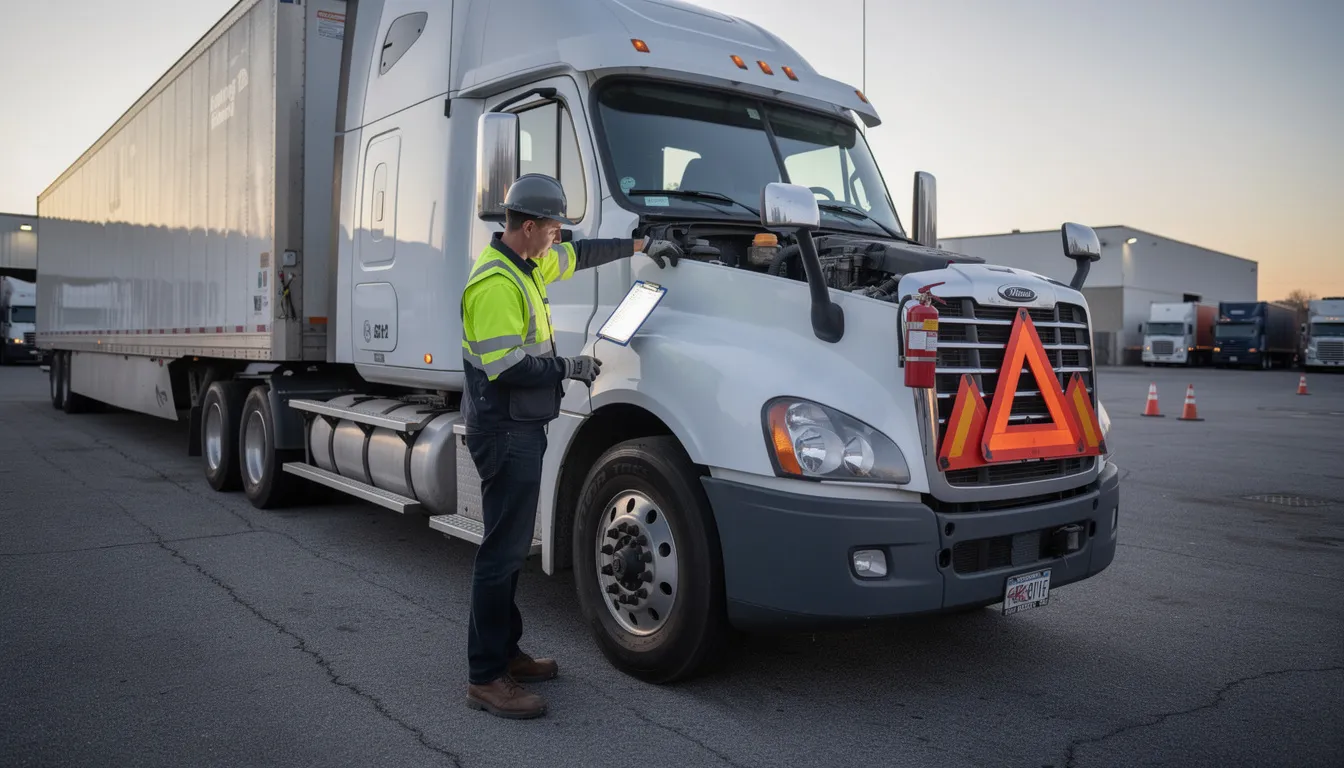
Regular vehicle maintenance schedules help prevent mechanical failures that could lead to catastrophic accidents. The demanding nature of commercial trucking requires more frequent inspections and component replacements than typical passenger vehicles.
Driver training programs focusing on hazard recognition and defensive driving provide essential skills for managing the unique challenges of operating large commercial vehicles. These programs emphasize the importance of maintaining adequate following distances and recognizing situations where a truck’s size and weight create additional risks.
Companies that subscribe to comprehensive safety programs often see significant reductions in accident rates. These programs typically include regular safety meetings, ongoing driver education, and incentive systems that reward safe driving behaviors.
What to Do After a Semi Truck Accident
Immediate safety steps include moving to safety when possible and calling 911 to report the accident. If you cannot move your vehicle safely, turn on hazard lights and exit away from traffic if possible. The priority is always personal safety over property concerns.
Document the scene with photo evidence of vehicle positions, damage, and road conditions. Take pictures from multiple angles and include images of license plates, truck identification numbers, and any visible cargo or mechanical issues. This documentation can prove crucial for insurance claims and legal proceedings.
Seek medical attention even for minor injuries, as adrenaline can mask serious trauma symptoms. Many truck accident injuries, particularly soft tissue damage and concussions, may not manifest symptoms until hours or days after the incident.
Contact a specialized truck accident attorney within 48 hours of the incident. These cases involve complex federal regulations and multiple potentially liable parties, making early legal guidance essential for protecting your rights.
Preserve evidence including logbooks and maintenance records if you have access to them. Commercial vehicles are subject to detailed record-keeping requirements, and this documentation often proves critical in establishing liability and damages.
When dealing with insurance companies, remember that they represent the trucking company’s interests, not yours. Avoid giving detailed statements or accepting settlement offers before consulting with legal counsel who understands the complexities of commercial vehicle accidents.
The time following a truck semi accident can be overwhelming, but taking these systematic steps helps protect both your health and your legal interests. Remember that serious injuries from truck accidents often require long-term medical care, making it essential to understand your rights and options for compensation.
The road to recovery after a truck accident involves both physical and legal challenges. By understanding the causes, consequences, and legal implications of these serious incidents, you’re better equipped to protect yourself and your family on America’s highways. Whether you’re focused on prevention or dealing with the aftermath of an accident, knowledge remains your most valuable asset in navigating these complex and often tragic situations.