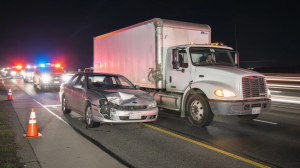
When an 80,000-pound commercial truck collides with a 4,000-pound passenger vehicle, the consequences are often catastrophic. The massive weight difference between commercial trucks and passenger cars creates a scenario where even minor trucking accidents can result in severe injuries, permanent disabilities, or wrongful death. Unlike typical car accidents, truck crashes involve complex federal regulations, multiple liable parties, and aggressive insurance company tactics that require specialized legal expertise.
If you’ve been involved in a trucking accident, the legal process ahead is far more complicated than a standard motor vehicle accident case. Commercial trucking companies deploy teams of lawyers and investigators immediately after truck crashes to minimize their liability and protect their financial interests. Without an experienced truck accident lawyer on your side, you’re at a significant disadvantage when seeking fair compensation for your injuries and losses.
This comprehensive guide will help you understand why you need a specialized trucking accident lawyer, when to contact one, and how to choose the right legal representation to maximize your compensation after a commercial vehicle crash.
Why You Need a Specialized Trucking Accident Lawyer
The trucking industry operates under strict federal motor carrier safety regulations that don’t apply to regular passenger vehicles. The Federal Motor Carrier Safety Administration (FMCSA) governs everything from driver qualifications and hours of service to vehicle maintenance and cargo securement. Understanding these federal and state regulations is essential for building a successful truck accident case and holding all responsible parties accountable.
Complex Federal Regulations Require Specialized Knowledge
Commercial truck drivers must follow Hours of Service regulations that limit driving time to 11 hours per day and 60 hours over seven consecutive days. Violations of these rules often contribute to driver fatigue, one of the leading causes of truck accidents. An experienced truck accident attorney knows how to obtain and analyze electronic logging device (ELD) data to prove HOS violations that may have caused your accident.
Trucking companies are also required to maintain detailed records of driver qualifications, vehicle inspections, and maintenance schedules. These records are crucial evidence in truck accident claims, but trucking companies may attempt to hide or destroy them without proper legal pressure to preserve the documentation.
Multiple Parties May Be Liable
Unlike typical car accidents involving two drivers, trucking accidents often involve multiple potentially liable parties:
- The truck driver for negligent operation or safety violations
- The trucking company for inadequate hiring, training, or supervision
- Maintenance contractors for faulty repairs or skipped inspections
- Cargo loading companies for improper weight distribution
- Parts manufacturers for defective brakes, tires, or other components
- Third-party drivers who may have contributed to the crash
An experienced truck accident lawyer has the resources to investigate all potential sources of liability and ensure you receive maximum compensation from every responsible party.
Insurance Companies Deploy Aggressive Legal Teams
Commercial trucking companies carry much higher insurance coverage than typical drivers – often $1 million or more per accident. With such high stakes involved, insurance companies immediately dispatch teams of lawyers and investigators to accident scenes to gather evidence that minimizes their liability.
These rapid-response teams work to:
- Interview witnesses before you can obtain their statements
- Examine the accident scene to find evidence supporting their defense
- Pressure you to provide recorded statements without legal representation
- Offer quick settlement offers before you understand the full extent of your injuries
Without your own legal representation, you’re facing a team of experienced professionals whose primary goal is to pay you as little as possible.
When to Contact a Trucking Accident Attorney
Time is absolutely critical after truck accidents. You should contact an experienced truck accident lawyer immediately – ideally within 24-48 hours of the crash. This urgent timing isn’t just about getting legal advice; it’s about preserving crucial evidence that could disappear forever.
Critical Evidence Disappears Quickly
Several types of evidence in truck accident cases have very short retention periods:
Electronic Logging Device Data: ELD systems record driver hours, vehicle speed, braking patterns, and other crucial information. However, this data may be overwritten after 30 days if not properly preserved through legal action.
Truck’s Black Box Information: Similar to aircraft, commercial trucks have electronic control modules that record pre-crash data including speed, brake application, and engine performance. This data is often overwritten on a rolling basis.
Driver Logbooks and Records: Physical and electronic driver logs showing compliance with hours of service regulations may be altered or destroyed if not quickly secured.
Surveillance Footage: Video from traffic cameras, nearby businesses, or dash cams from other vehicles involved may be deleted or recorded over within days or weeks.
Vehicle Inspection Records: Trucking companies are required to maintain detailed maintenance and inspection records, but these documents may disappear without proper legal preservation demands.
Before Speaking to Insurance Companies
Never speak to insurance adjusters from the trucking company before consulting with a truck accident attorney. Insurance companies often contact accident victims within hours of truck crashes, hoping to obtain recorded statements or quick settlements before victims understand their rights or the full extent of their injuries.
These early conversations are designed to limit the insurance company’s liability, not to help you receive fair compensation. Even seemingly innocent questions about how the accident occurred can be used against you later if your answers are taken out of context.
When Serious Injuries Are Involved
Contact a trucking accident lawyer immediately if your crash resulted in:
- Hospitalization or emergency medical treatment
- Traumatic brain injuries or head trauma
- Spinal cord injuries or paralysis
- Multiple bone fractures requiring surgery
- Internal injuries or internal bleeding
- Burns from fuel fires or hazardous material spills
- Any injuries requiring ongoing medical treatment or physical therapy
Severe injuries from truck accidents often require extensive medical treatment, rehabilitation, and may result in permanent disabilities affecting your ability to work. An experienced truck accident attorney can help ensure all current and future medical expenses are included in your claim.
Types of Compensation Available in Trucking Accident Cases
Truck accident victims may be entitled to significantly higher compensation than typical car accident cases due to the severity of injuries and the higher insurance coverage carried by commercial vehicles. Understanding the types of damages available can help you recognize whether settlement offers from insurance companies are adequate.
Economic Damages
Medical Expenses: This includes all medical bills related to your truck accident injuries, from emergency room treatment and surgeries to ongoing rehabilitation and physical therapy. Your compensation should also cover future medical costs if you have permanent injuries requiring long-term care.
Lost Wages: If your injuries prevent you from working, you can recover compensation for missed income during your recovery period. This includes salary, hourly wages, overtime, bonuses, and other employment benefits you would have earned.
Loss of Earning Capacity: Severe injuries that result in permanent disabilities may affect your ability to perform your job or advance in your career. Economic experts can calculate the present value of reduced future earnings over your expected working life.
Property Damage: Compensation for repairing or replacing your vehicle, as well as any personal belongings destroyed in the truck crash.
Non-Economic Damages
Pain and Suffering: These damages compensate for the physical pain, emotional trauma, and psychological distress caused by your truck accident injuries. The amount varies based on the severity and permanence of your injuries.
Loss of Enjoyment of Life: If your injuries prevent you from participating in activities you previously enjoyed, you may be entitled to compensation for this diminished quality of life.
Loss of Consortium: Spouses may be able to claim damages for the loss of companionship, affection, and support resulting from their partner’s injuries.
Punitive Damages
In cases involving gross negligence by the truck driver or trucking company, courts may award punitive damages designed to punish the wrongdoer and deter similar conduct. Examples include:
- Driving under the influence of alcohol or drugs
- Willful violations of federal safety regulations
- Falsifying driver logs or maintenance records
- Operating vehicles with known safety defects
Common Causes of Commercial Trucking Accidents
Understanding the common causes of truck accidents can help your attorney build a stronger case by identifying specific violations of federal safety regulations or industry standards that contributed to your crash.
Driver Fatigue and Hours of Service Violations
Driver fatigue remains one of the leading causes of truck accidents despite strict federal regulations limiting driving time. The FMCSA’s Hours of Service rules limit commercial drivers to:
- 11 hours of driving after 10 consecutive hours off duty
- 60 hours of driving over 7 consecutive days (or 70 hours over 8 days)
- Mandatory rest breaks and sleeper berth requirements
Trucking companies sometimes pressure drivers to exceed these limits or drivers may falsify logbooks to maximize their earnings. Electronic logging devices have reduced some violations, but experienced truck accident lawyers know how to analyze ELD data to identify patterns of fatigue-related violations.
Distracted Driving
Commercial truck drivers face numerous distractions while operating their vehicles:
- GPS navigation systems and fleet management devices
- Cell phone calls and texting (prohibited by federal law)
- Eating, drinking, or other activities while driving
- Radio communications with dispatchers or other drivers
Federal regulations prohibit commercial drivers from using handheld mobile devices while driving, but violations still occur. Your truck accident attorney can subpoena cell phone records to prove distracted driving contributed to your crash.
Vehicle Maintenance Failures
Commercial trucks require extensive maintenance due to their size, weight, and high mileage operation. Common maintenance-related causes of truck accidents include:
- Brake system failures from worn pads or poorly adjusted brakes
- Tire blowouts from inadequate maintenance or overloading
- Steering system problems affecting vehicle control
- Lighting defects that reduce visibility or communication with other drivers
The FMCSA requires detailed maintenance records and regular inspections. Your attorney can examine these records to identify maintenance negligence that may have contributed to your accident.
Improper Cargo Loading
Incorrectly loaded or secured cargo can cause serious truck accidents through:
- Shifting loads that affect vehicle stability and steering
- Overweight trucks that exceed safe braking distances
- Improperly secured cargo that falls onto roadways
- Unbalanced loads that increase rollover risk
Cargo loading may be performed by the trucking company, the shipper, or third-party loading contractors. Each party has specific responsibilities under federal load securement regulations, and violations can create additional sources of liability for your case.
Impaired Driving
Commercial drivers are held to stricter standards than regular drivers regarding alcohol and drug use:
- Blood alcohol limit of 0.04% (half the limit for non-commercial drivers)
- Zero tolerance for illegal drug use
- Restrictions on certain prescription medications
- Required drug and alcohol testing after accidents
Trucking companies must conduct pre-employment drug screening and random testing of drivers. Failures in these programs can create liability for negligent hiring or supervision.
How Trucking Accident Lawyers Investigate Your Case
A thorough investigation is crucial for building a successful truck accident case. Experienced truck accident attorneys work with teams of experts to gather evidence, analyze crash data, and reconstruct the sequence of events that led to your accident.
Immediate Accident Scene Investigation
Your attorney’s investigation begins at the accident scene, where critical evidence must be documented before it’s lost or destroyed:
- Skid marks showing vehicle paths and braking patterns
- Debris patterns indicating impact points and vehicle trajectories
- Road conditions, weather, and visibility factors
- Traffic control devices and signage
- Photographs from multiple angles showing all vehicles involved
Professional accident reconstructionists use this physical evidence to create detailed analyses of how the accident occurred and which parties were at fault.
Electronic Data Recovery
Modern commercial trucks are equipped with sophisticated electronic systems that record crucial data about vehicle operation:
Electronic Logging Devices (ELDs): These federally mandated devices automatically track driver hours, vehicle location, speed, and engine diagnostics. ELD data can prove hours of service violations and provide precise timing of events leading to the crash.
Engine Control Modules (Black Boxes): Similar to aircraft black boxes, these devices record pre-crash data including vehicle speed, brake application, throttle position, and cruise control status. This data is typically stored for only 30 days before being overwritten.
Dash Cam Footage: Many trucking companies install forward-facing cameras to monitor driver behavior and record accidents. Some systems also include driver-facing cameras that can show distracted driving or fatigue.
Your truck accident lawyer must act quickly to preserve this electronic evidence through legal preservation letters and court orders before it’s lost forever.
Driver and Company Record Analysis
Commercial drivers and trucking companies are required to maintain extensive records that can reveal patterns of unsafe behavior:
Driver Qualification Files: Including driving records, medical certifications, training documentation, and employment history Vehicle Maintenance Records: Showing compliance with federal inspection requirements and repairs performed Safety Management Plans: Documenting company policies for driver training, vehicle maintenance, and safety compliance Previous Accident History: Both for individual drivers and the trucking company overall
Expert Witness Coordination
Successful truck accident cases often require testimony from various expert witnesses:
- Accident reconstruction specialists who analyze crash dynamics
- Medical experts who explain the extent and permanence of injuries
- Economic experts who calculate lost earning capacity and future damages
- Trucking industry experts who identify safety violations and industry standards
- Vocational rehabilitation specialists who assess ability to return to work
Determining Liability in Complex Trucking Cases
The complexity of commercial trucking operations means that multiple parties may share responsibility for your accident. An experienced truck accident attorney will investigate all potential sources of liability to ensure you receive maximum compensation.
Truck Driver Liability
Individual truck drivers can be held liable for:
- Negligent operation including speeding, distracted driving, or impaired driving
- Hours of Service violations that contribute to driver fatigue
- Failure to properly inspect vehicles before operation
- Violations of federal safety regulations
- Reckless or aggressive driving behaviors
Even when drivers are employees of trucking companies, they can still be held personally liable for their negligent actions.
Trucking Company Liability
Trucking companies may be liable through several legal theories:
Vicarious Liability: Companies are generally responsible for their employees’ actions performed within the scope of employment, including truck driver negligence.
Negligent Hiring: If a company hires drivers with poor safety records, inadequate training, or disqualifying conditions without proper screening.
Negligent Supervision: Failing to monitor driver performance, safety compliance, or provide adequate ongoing training.
Negligent Maintenance: Not maintaining vehicles according to federal standards or ignoring known safety defects.
Corporate Negligence: Company policies that encourage unsafe practices, such as pressuring drivers to violate hours of service regulations to meet delivery deadlines.
Third-Party Liability
Other parties that may share liability include:
Maintenance Contractors: Independent companies responsible for truck repairs and inspections may be liable for negligent work that contributes to accidents.
Cargo Loading Companies: Third-party firms that load cargo have responsibilities under federal securement regulations. Improper loading can cause cargo shifts, vehicle rollovers, or other dangerous conditions.
Parts Manufacturers: Defective truck components like brakes, tires, or steering systems can cause accidents even when properly maintained.
Other Drivers: In multi-vehicle accidents, other drivers may share fault for unsafe lane changes, following too closely, or other negligent behaviors.
Severe Injuries Common in Trucking Accidents
The massive size and weight of commercial trucks create tremendous forces in collisions that often result in catastrophic injuries requiring extensive medical treatment and long-term care.
Traumatic Brain Injuries
Traumatic brain injuries from truck accidents can range from mild concussions to severe brain damage requiring lifelong care. Even seemingly minor head injuries can have lasting effects on memory, concentration, and cognitive function. TBI victims may require:
- Emergency neurosurgery to reduce brain swelling
- Intensive rehabilitation therapy
- Ongoing medical monitoring and treatment
- Assistance with daily living activities
- Modifications to work and home environments
Spinal Cord Injuries
Spinal cord damage from trucking accidents often results in partial or complete paralysis affecting the victim’s ability to work and perform daily activities. These injuries typically require:
- Emergency spinal surgery and stabilization
- Extended hospitalization and rehabilitation
- Wheelchair accessibility modifications to homes and vehicles
- Ongoing medical care and physical therapy
- Assistance with personal care and daily activities
Complex Orthopedic Injuries
The force of truck accidents frequently causes multiple bone fractures and joint injuries that may require:
- Multiple surgeries to repair damaged bones and joints
- Metal implants, pins, or external fixation devices
- Extended periods of immobilization and physical therapy
- Ongoing pain management and medical treatment
- Potential for permanent disability or limited mobility
Internal Injuries
Blunt force trauma from truck accidents can cause severe internal injuries including:
- Organ damage requiring emergency surgery
- Internal bleeding that may be life-threatening
- Abdominal injuries affecting digestive function
- Chest injuries that impact breathing and heart function
Burn Injuries
Truck accidents involving fuel spills or hazardous materials can cause severe burns requiring:
- Emergency treatment at specialized burn centers
- Multiple skin graft surgeries
- Extended rehabilitation and scar management
- Potential for permanent disfigurement and disability
Steps to Take After a Trucking Accident
Taking the right steps immediately after a truck accident can protect your health, preserve evidence for your legal case, and avoid actions that might hurt your claim.
Immediate Actions at the Accident Scene
Call 911: Request immediate medical attention and police response. Even if you don’t think you’re seriously injured, adrenaline can mask symptoms, and some injuries may not be apparent right away.
Stay Safe: If possible, move to a safe location away from traffic. Do not attempt to move if you suspect spinal injuries.
Document Everything: Use your phone to photograph:
- All vehicles involved from multiple angles
- Skid marks, debris, and road conditions
- Truck identification numbers, license plates, and company names
- The driver’s commercial license and insurance information
- Visible injuries (if appropriate)
Gather Information: Collect contact information from:
- The truck driver and their employer
- Other drivers and passengers involved
- Witnesses who saw the accident
- Police officers responding to the scene
Avoid Admissions: Do not discuss fault or admit any responsibility for the accident, even if you think you may have contributed. Stick to factual observations when speaking with police.
Seek Medical Attention
Get medical evaluation immediately, even if you feel fine. Some serious injuries like internal bleeding, brain trauma, or spinal damage may not cause immediate symptoms. Having medical records documenting your condition immediately after the accident is crucial for your legal case, especially if you have a pre-existing condition.
Follow all recommended medical treatment and keep detailed records of:
- All medical appointments and treatments
- Medications prescribed for your injuries
- Physical therapy and rehabilitation sessions
- Medical bills and insurance communications
- Time missed from work due to injuries
Contact an Experienced Truck Accident Lawyer
Call a trucking accident attorney before speaking to any insurance adjusters or signing any documents. Insurance companies often contact victims within hours of truck crashes hoping to obtain recorded statements or quick settlements before victims understand their rights.
Your attorney can:
- Handle all communications with insurance companies
- Ensure critical evidence is preserved
- Begin investigating the cause of your accident
- Coordinate with medical experts to document your injuries
- Protect you from insurance company tactics designed to minimize your claim
What NOT to Do After a Truck Crash
Avoiding these common mistakes can protect your legal claim and ensure you receive fair compensation for your injuries.
Don’t Admit Fault
Never apologize or admit any responsibility for the accident, even if you think you may have contributed. Truck accidents often involve complex factors that aren’t immediately apparent, and what seems like your fault may actually be caused by truck driver error, vehicle defects, or other factors.
Don’t Sign Documents Without Legal Review
Insurance companies may ask you to sign medical releases, settlement agreements, or other documents claiming they’re “just routine paperwork.” These documents often contain language that can hurt your case or limit your right to seek full compensation.
Don’t Accept Quick Settlement Offers
Insurance companies often make settlement offers within days or weeks of truck accidents, hoping to resolve claims before victims understand the full extent of their injuries or the value of their case. These initial offers are typically far below what you may be entitled to receive.
Don’t Delay Medical Treatment
Gaps in medical treatment can be used by insurance companies to argue that your injuries aren’t serious or weren’t caused by the accident. Follow all medical recommendations and attend all scheduled appointments, even if you’re feeling better.
Don’t Post on Social Media
Avoid posting about your accident, injuries, or activities on social media platforms. Insurance companies routinely monitor accident victims’ social media accounts looking for posts that contradict claims about injuries or limitations.
Statute of Limitations for Trucking Accident Claims
Legal deadlines for filing truck accident lawsuits vary by state, but most jurisdictions impose a two-year statute of limitations for personal injury claims. Wrongful death cases typically have similar deadlines, though some states may have shorter or longer periods.
Special Deadlines for Government Claims
If your accident involved a government-owned vehicle or occurred on government property, much shorter deadlines may apply – sometimes as little as 30 to 180 days to file a claim notice.
Discovery Rule Exceptions
In rare cases, the statute of limitations may be extended under the “discovery rule” if injuries weren’t immediately apparent. However, relying on these exceptions is risky, and prompt legal action is always advisable.
Why Prompt Action Is Essential
Beyond legal deadlines, early action is crucial because:
- Critical evidence may be lost or destroyed over time
- Witness memories fade and become less reliable
- Medical records may be harder to obtain
- Insurance companies may argue that delays indicate your injuries aren’t serious
Choosing the Right Trucking Accident Attorney
Selecting the right legal representation can make the difference between a successful outcome and an inadequate settlement that leaves you struggling with medical bills and lost income.
Experience with Trucking Cases
Look for attorneys who specialize in truck accident cases rather than general personal injury lawyers. Trucking accident litigation requires specific knowledge of:
- Federal motor carrier safety regulations
- Commercial driver licensing requirements
- Electronic logging device data analysis
- Trucking industry practices and standards
- Complex insurance coverage issues
Track Record of Success
Review the attorney’s history of settlements and verdicts in trucking accident cases. Look for:
- Multiple settlements and verdicts of $1 million or more
- Experience taking cases to trial when necessary
- Recognition from legal peers and professional organizations
- Client testimonials from truck accident victims
Resources and Expert Network
Successful trucking accident cases require significant resources to:
- Hire accident reconstruction experts
- Retain medical specialists to document injuries
- Preserve and analyze electronic evidence
- Conduct thorough investigations
- Handle complex litigation against well-funded defense teams
Contingency Fee Arrangements
Most experienced truck accident lawyers work on a contingency fee basis, meaning you pay no attorney fees unless they recover compensation for you. This arrangement ensures your attorney is motivated to maximize your recovery and removes financial barriers to quality legal representation.
Communication and Personal Attention
Choose an attorney who:
- Returns phone calls and emails promptly
- Explains legal concepts in terms you can understand
- Keeps you informed about case developments
- Treats you with respect and compassion during a difficult time
Conclusion
Trucking accidents represent some of the most complex and devastating personal injury cases in the legal system. The combination of severe injuries, federal regulations, multiple liable parties, and aggressive insurance company tactics makes specialized legal representation essential for protecting your rights and securing fair compensation.
The window for preserving critical evidence and building a strong case begins closing immediately after your accident. Electronic data from the truck’s systems may be overwritten within 30 days, witnesses’ memories fade, and insurance companies work quickly to build defenses against your claim.
Don’t face the complex legal process alone or accept inadequate settlement offers that leave you struggling with medical bills and lost income. An experienced truck accident lawyer has the knowledge, resources, and dedication necessary to hold trucking companies accountable and secure the maximum compensation you deserve.
If you’ve been injured in a trucking accident, contact a qualified trucking accident attorney immediately for a free consultation. Time is critical, and waiting could jeopardize your ability to recover the compensation you need to rebuild your life after a devastating truck crash.