Getting hit by an uninsured driver can feel like a double blow. First, you’re dealing with injuries, medical bills, and property damage from the car accident. Then you discover the at fault driver has no insurance coverage to pay for your losses. With approximately 14% of drivers nationwide lacking adequate insurance coverage, uninsured motorist accidents happen more frequently than most people realize.
The financial consequences can be devastating without proper legal guidance. Medical expenses pile up, lost wages create immediate hardship, and insurance companies may use complex tactics to minimize your compensation. This is precisely when you need an experienced uninsured motorist lawyer who understands the intricacies of uninsured and underinsured motorist coverage and can fight for your maximum recovery.
This comprehensive guide will walk you through everything you need to know about uninsured motorist claims, from understanding your coverage options to choosing the right legal representation for your case.
When You Need an Uninsured Motorist lawyer
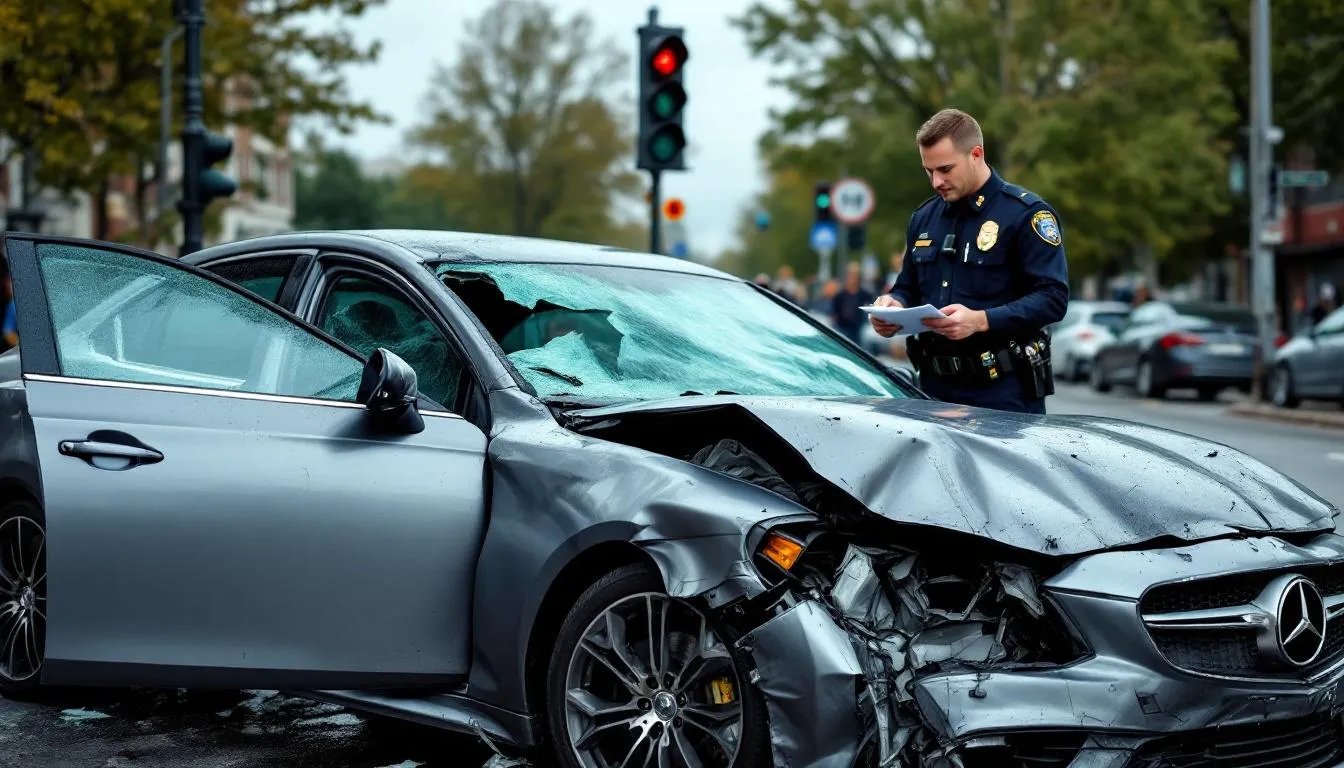
Immediate legal consultation if you’re hit by a driver without insurance coverage
Time is critical after an uninsured motorist accident. You should contact an uninsured motorist lawyer immediately if the other driver admits to having no liability insurance or if police reports indicate the at fault driver is uninsured. Many uninsured motorist policies have strict reporting deadlines—sometimes as short as 30 days—that could jeopardize your entire claim if missed.
An experienced attorney can immediately begin documenting your case, ensuring all necessary paperwork is filed within required timeframes. They’ll also start gathering crucial evidence while it’s still fresh, including witness statements, accident scene photos, and medical records that support your injuries sustained in the crash.
Expert guidance when the at-fault driver has insufficient insurance limits to cover your damages
Even when drivers carry liability insurance, many only purchase minimum coverage required by their state. These minimum limits—often as low as $25,000 per person—are woefully inadequate for serious injuries. If your medical bills alone exceed $50,000, you’ll need to pursue an underinsured motorist claim against your own insurance policy to recover the difference.
Uninsured motorist accident lawyers specialize in identifying all available insurance coverage, including potential policy stacking opportunities that could dramatically increase your available compensation. They understand how to navigate the complex relationship between liability coverage and underinsured motorist benefits.
Professional help navigating complex insurance claims and policy disputes
Insurance companies handling uninsured motorist claims often employ more aggressive tactics than standard liability claims. Since they’re paying from their own funds rather than subrogating against another insurer, they have strong incentives to minimize payouts. Common tactics include disputing liability, questioning the extent of injuries, or challenging whether the accident qualifies for coverage under specific policy language.
Your own insurance company may deny your claim based on technical exclusions or procedural requirements. Uninsured motorist lawyers know how to counter these strategies and hold insurers accountable for honoring their contractual obligations.
Free case evaluation to determine your recovery options and potential compensation
Most reputable law firms offer free consultations where experienced attorneys review your case details and explain your legal options. During this no obligation consultation, lawyers can estimate your potential recovery based on medical expenses, lost income, pain and suffering, and other damages. They’ll also identify any procedural issues that could impact your claim and develop a strategy for maximum compensation.
24/7 availability for urgent situations involving serious injuries or property damage
Car accidents don’t happen on a convenient schedule. The best uninsured motorist lawyers maintain 24/7 availability for urgent situations, especially those involving serious injuries requiring immediate medical attention. Quick legal intervention can be crucial for preserving evidence, meeting insurance deadlines, and ensuring your rights are protected from the outset.
Understanding Uninsured and Underinsured Motorist Coverage

Definition of uninsured motorist (UM) coverage and how it protects accident victims
Uninsured motorist coverage serves as your financial protection when you’re injured by a driver who lacks liability insurance. This coverage steps in to pay for your medical expenses, lost wages, and other damages when the at fault driver cannot provide compensation through their own insurance policy.
UM coverage essentially allows your own insurance company to stand in the shoes of the uninsured driver’s missing insurer. You file the claim with your insurer, but the coverage operates similarly to a third-party liability claim in terms of what damages are compensable.
Explanation of underinsured motorist (UIM) coverage for insufficient policy limits
Underinsured motorist coverage addresses situations where the other driver has some liability insurance, but their policy limits are insufficient to fully compensate your damages. For example, if you suffer $150,000 in damages but the at fault driver only carries $50,000 in liability coverage, your UIM coverage can pay the remaining $100,000 (up to your policy limits).
UIM coverage is particularly valuable in today’s environment where medical costs and vehicle repair expenses far exceed the minimum coverage limits many drivers carry. A single emergency room visit can easily cost more than some states’ minimum liability requirements.
Coverage for medical expenses, lost wages, pain and suffering, and property damage
Both uninsured motorist coverage and underinsured motorist coverage typically provide comprehensive compensation for accident-related damages. Medical treatment costs include emergency room care, surgery, rehabilitation costs, ongoing therapy, and future medical expenses for permanent injuries.
Lost wages compensation covers both immediate income loss and reduced earning capacity if injuries prevent you from returning to your previous job. Pain and suffering damages compensate for physical pain, emotional trauma, and reduced quality of life resulting from the accident.
Property damage coverage varies by state and policy. Some UM/UIM policies include vehicle repairs and replacement costs, while others require separate collision coverage for property damage claims.
Protection in hit and run accidents where the at-fault driver cannot be identified
One of the most valuable aspects of uninsured motorist coverage is protection against hit and run accidents. When the at fault driver flees the accident scene and cannot be identified, your UM coverage treats the situation as if you were hit by an uninsured driver.
However, hit and run claims often involve additional procedural requirements. Many policies require immediate police reporting and may have specific deadlines for filing claims. Some insurers also require evidence that reasonable efforts were made to identify the fleeing driver.
How UM/UIM coverage works as your financial safety net against irresponsible drivers
In essence, UM/UIM coverage creates a safety net that ensures you’re not left financially responsible for another driver’s negligence and failure to maintain adequate insurance. This protection becomes especially critical given the Insurance Research Council’s findings that uninsured motorist claim payments exceeded $7 billion nationwide in recent years.
The coverage allows you to focus on recovery rather than worrying about how to pay medical bills or replace lost income. It provides peace of mind knowing that even if eight drivers out of every hundred you encounter lack sufficient coverage, you have financial protection.
State Laws and Insurance Requirements
Overview of state-specific UM/UIM coverage requirements and mandatory minimums
State laws regarding uninsured and underinsured motorist coverage vary dramatically across the country. Some states like Massachusetts, New York, and Illinois mandate UM/UIM coverage for all drivers, while others make it optional but require insurers to offer it to policyholders.
In mandatory states, the required minimums often mirror the state’s liability insurance requirements. However, these minimums frequently provide inadequate protection for serious injuries. Even in mandatory states, drivers can sometimes reject coverage through signed waivers, though the process typically requires specific forms and procedures.
Typical coverage limits like $30,000 per person and $60,000 per accident
Most states structure UM/UIM coverage with per-person and per-accident limits. Common configurations include $25,000/$50,000, $30,000/$60,000, or $50,000/$100,000. The first number represents the maximum payout per injured person, while the second covers the total available for all injuries in a single accident.
These limits represent the baseline protection, but insurers typically allow customers to purchase higher limits. Many insurance experts recommend matching your UM/UIM limits to your liability coverage limits to ensure adequate protection.
States where UM/UIM coverage is optional versus mandatory by law
Currently, about 20 states plus the District of Columbia require some form of UM coverage. States with mandatory requirements include Connecticut, Illinois, Kansas, Maine, Maryland, Massachusetts, Minnesota, Missouri, Nebraska, New Jersey, New York, North Carolina, North Dakota, Oregon, South Carolina, South Dakota, Vermont, Virginia, West Virginia, and Wisconsin.
In optional states like California, insurers must offer UM/UIM coverage but consumers can decline it in writing. This opt-out process must follow specific procedures to be legally valid, and experienced attorneys often review these forms for procedural errors that might void the rejection.
How to decline coverage in writing if not required in your state
In states where UM/UIM coverage is optional, the rejection process typically requires a signed, written waiver acknowledging that you understand the risks of declining coverage. These forms must usually be completed before the policy is issued and often require specific language mandated by state law.
However, many rejection forms are improperly executed, contain incorrect language, or fail to meet statutory requirements. Uninsured motorist lawyers frequently discover procedural defects that invalidate coverage rejections, potentially providing additional recovery options for injured clients.
Financial responsibility laws and penalties for driving without insurance
All states have financial responsibility laws requiring drivers to demonstrate their ability to pay for accident damages. Most satisfy this requirement through liability insurance, but some states allow alternatives like cash deposits or surety bonds.
Penalties for driving without adequate insurance include fines, license suspension, vehicle impoundment, and increased insurance premiums. However, enforcement varies significantly, and many uninsured drivers continue operating vehicles despite legal penalties.
The Scope of Uninsured Driver Problems

National statistics showing 14% of US drivers are uninsured as of 2024
According to the Insurance Research Council, approximately 14% of drivers nationwide lack liability insurance coverage, translating to roughly one in eight vehicles on the road. This percentage has remained relatively stable despite mandatory insurance laws and increased enforcement efforts in many states.
The consistency of these numbers highlights the ongoing challenge facing all drivers: the significant likelihood of eventually encountering an uninsured motorist during their driving years. For frequent drivers, the cumulative risk over time becomes substantial.
State-by-state breakdown of uninsured motorist rates across the country
Uninsured driver rates vary dramatically by geography. States like Mississippi, Michigan, and Florida report uninsured rates exceeding 20%, while states like Massachusetts and New Jersey maintain rates below 6%. Western and southern states generally show higher uninsured rates than northeastern states.
These variations often correlate with economic factors, insurance costs, and enforcement effectiveness. States with higher poverty rates or expensive insurance markets tend to have more uninsured drivers, while states with aggressive enforcement and reasonable insurance costs maintain lower rates.
Economic impact of accidents involving drivers with no insurance coverage
The economic burden of uninsured drivers extends far beyond individual victims. Insured drivers effectively subsidize the costs through higher premiums, while healthcare systems absorb billions in uncompensated care. The Insurance Research Council estimates that uninsured driver accidents cost the insurance industry over $7 billion annually in claim payments.
Hospitals and medical providers often become involuntary creditors when uninsured drivers injure others and cannot pay for medical treatment. This cost-shifting ultimately affects healthcare pricing for everyone.
Rising healthcare costs making minimum liability coverage increasingly inadequate
Medical cost inflation has far outpaced increases in state-mandated minimum liability limits. A single day in an intensive care unit can exceed $10,000, while some states maintain liability minimums as low as $10,000 per person. Complex surgeries, rehabilitation, and long-term care for serious injuries routinely cost hundreds of thousands of dollars.
This growing gap between actual medical costs and minimum coverage limits means that even insured drivers may be effectively underinsured for serious accidents. The problem is compounded when at-fault drivers carry only minimum coverage.
Why many drivers carry only state-required minimums despite higher accident costs
Economic pressures drive many drivers to purchase only minimum required coverage despite the obvious inadequacy for serious accidents. Lower-income drivers often view insurance as a legal requirement rather than financial protection, focusing on the lowest possible premiums to maintain legal driving status.
Additionally, many drivers underestimate accident risks and potential costs. The low frequency of serious accidents creates a false sense of security, leading drivers to prioritize immediate premium savings over adequate protection.
How Uninsured Motorist Claims Work
Step-by-step process for filing UM/UIM claims with your insurance company
The uninsured motorist claim process begins with immediate notification to your own insurance company, preferably within 24 hours of the accident. Your insurer will assign a UM/UIM adjuster and begin the investigation process, which differs significantly from standard liability claims.
First, the insurer must verify that the other driver was indeed uninsured or underinsured. This requires obtaining a letter of no coverage or policy limits information from the at fault driver’s insurer. Your insurance company may also investigate the other driver’s assets to determine whether a personal injury lawsuit might provide additional recovery.
Required documentation including police reports, medical records, and damage estimates
Thorough documentation is critical for UM/UIM claims. Essential documents include the police report confirming the accident details and other driver’s insurance status, all medical records related to your injuries, employment records proving lost wages, and property damage estimates or repair bills.
Medical documentation must clearly link your injuries to the accident and establish the extent of treatment required. Employment records should include pay stubs, tax returns, and employer statements about missed work and reduced earning capacity.
Timeframes for reporting accidents and filing claims under your policy
Most uninsured motorist policies require prompt notice of accidents, typically within 30 days but sometimes much shorter. Some policies also impose deadlines for formal claim submissions or legal action, which can be as short as one year from the accident date.
These deadlines are strictly enforced, and missing them can result in complete claim denial regardless of the merits. Uninsured motorist lawyers ensure all deadlines are met while building the strongest possible case for maximum recovery.
How insurance adjusters evaluate uninsured motorist claims differently than standard claims
UM/UIM adjusters often employ more aggressive tactics than liability adjusters because the insurance company is paying from its own funds rather than subrogating against another insurer. They may challenge liability more vigorously, dispute injury causation, or argue that coverage exclusions apply.
Adjusters might also attempt to settle quickly for low amounts, hoping injured parties will accept inadequate compensation rather than navigate the complex claims process. They may downplay the availability of additional coverage through policy stacking or household policies.
Common tactics insurers use to minimize payouts on UM/UIM claims
Insurance companies use various strategies to reduce UM/UIM payouts. Common tactics include disputing whether the other driver was actually uninsured, arguing that policy exclusions apply, challenging the extent of injuries or their relationship to the accident, and offering quick settlements for amounts far below actual damages.
Insurers may also exploit procedural requirements, such as claiming that notice was not provided timely or that required documentation is insufficient. They might argue that the accident doesn’t qualify as a covered event under specific policy language.
Stacking Insurance Coverage for Maximum Recovery
Stacking represents one of the most powerful strategies for maximizing compensation in uninsured motorist cases. This legal concept allows injured parties to combine UM/UIM coverage limits from multiple policies, potentially multiplying available compensation several times over.
In stacking-permitted states, a family with three vehicles could stack their $100,000 per vehicle UM coverage to create $300,000 in total available coverage. Some courts have recognized stacking arrangements that resulted in over $1,000,000 in total available coverage for catastrophic injury cases.
However, not all states permit stacking, and many insurance policies contain anti-stacking provisions designed to prevent this coverage multiplication. Experienced uninsured motorist lawyers analyze all relevant policies and applicable state laws to determine stacking opportunities and challenge improper anti-stacking clauses.
What Damages Can Be Recovered

Medical expenses including emergency treatment, surgery, and ongoing rehabilitation
Medical expenses typically represent the largest component of uninsured motorist claims. Recoverable medical costs include emergency room treatment, diagnostic testing, surgical procedures, hospitalization, prescription medications, and all necessary follow-up care.
Future medical expenses are also compensable when injuries require ongoing treatment. This might include physical therapy, occupational therapy, psychological counseling for trauma, and long-term medical monitoring for complications. For permanent injuries, lifetime medical care costs can reach millions of dollars.
Lost wages and reduced earning capacity from temporary or permanent disabilities
Lost wages compensation covers immediate income loss from missed work due to accident injuries. This includes salary, hourly wages, overtime, bonuses, and other employment benefits lost during recovery periods.
More significantly, reduced earning capacity addresses permanent impairment that affects future income potential. If injuries prevent returning to previous employment or limit advancement opportunities, this future economic loss can be substantial. Vocational experts often provide testimony regarding lifetime earning capacity reduction.
Pain and suffering compensation for physical and emotional trauma
Pain and suffering damages compensate for the non-economic impacts of accident injuries. Physical pain encompasses both immediate post-accident suffering and ongoing discomfort from permanent injuries. Emotional trauma includes anxiety, depression, post-traumatic stress, and reduced quality of life.
Calculating pain and suffering requires careful documentation of how injuries impact daily activities, relationships, and overall life enjoyment. Experienced attorneys work with medical experts and mental health professionals to fully document these intangible but very real damages.
Property damage for vehicle repair or replacement costs
Property damage coverage varies among UM/UIM policies. Some states include property damage in uninsured motorist coverage, while others require separate collision coverage for vehicle damage. When included, UM property damage covers repair costs, replacement value for totaled vehicles, and rental car expenses during repairs.
Property damage claims also include personal property damaged in the accident, such as electronics, clothing, or other belongings. The total property damage can be substantial, especially for newer vehicles or when multiple vehicles are involved.
Future medical care and long-term treatment expenses for serious injuries
Serious injuries often require lifetime medical care, creating substantial future expense obligations. Spinal cord injuries, traumatic brain injuries, and severe orthopedic trauma may necessitate ongoing medical monitoring, periodic surgeries, assistive devices, and home healthcare services.
Medical experts and life care planners help calculate these future costs, considering inflation, technological advances, and changing care needs over time. Proper documentation of future medical expenses ensures adequate compensation for lifetime care requirements.
Common Challenges in Uninsured Motorist Cases
Insurance company disputes over coverage applicability and policy interpretation
Insurance coverage disputes frequently arise in UM/UIM claims due to complex policy language and varying interpretations of coverage triggers. Insurers may argue that specific exclusions apply, that the accident doesn’t qualify as a covered event, or that procedural requirements weren’t met.
Policy interpretation disputes often center on ambiguous language regarding coverage definitions, exclusions, or claim procedures. Courts generally interpret ambiguities in favor of policyholders, but litigation may be necessary to resolve disagreements and secure proper coverage.
Proving fault when the uninsured driver lacks resources for legal representation
Establishing liability can be challenging when uninsured drivers cannot afford legal representation or may not cooperate with the investigation. Without adequate legal counsel, uninsured drivers may provide inconsistent statements or fail to participate in the claims process entirely.
Uninsured motorist lawyers must build liability cases using available evidence, including police reports, witness statements, accident reconstruction, and physical evidence. They may need to locate and interview witnesses independently since the other driver’s insurer isn’t conducting a parallel investigation.
Dealing with hit and run accidents where the at-fault driver is never identified
Hit and run accidents present unique challenges for UM/UIM claims. Most policies require prompt police reporting, and some impose specific deadlines for filing claims when the other driver cannot be identified. Evidence preservation becomes critical since there’s no opposing party to provide information.
Successful hit and run claims often depend on witness testimony, surveillance footage, physical evidence from the accident scene, and forensic accident reconstruction. The burden of proof is entirely on the injured party since there’s no other driver to provide their version of events.
Overcoming policy exclusions and coverage limitations in UM/UIM claims
Insurance policies contain numerous exclusions that can limit or eliminate UM/UIM coverage. Common exclusions include intentional acts, non-permissive use of vehicles, racing, and certain commercial activities. Insurers may also argue that coverage doesn’t apply when accidents occur outside policy territories or involve excluded drivers.
Challenging improper exclusion applications requires detailed legal analysis of policy language, state insurance regulations, and applicable case law. Many exclusions that appear to apply on first reading may not withstand careful legal scrutiny.
Navigating arbitration requirements and alternative dispute resolution processes
Many UM/UIM policies require binding arbitration for coverage disputes rather than traditional litigation. Arbitration procedures differ significantly from court proceedings, with different rules of evidence, discovery limitations, and appeal restrictions.
Successful arbitration requires attorneys experienced in these alternative forums who understand arbitrator selection, procedural requirements, and effective presentation strategies. The stakes are often high since arbitration awards are typically final with very limited appeal rights.
Why You Need an Experienced Uninsured Motorist Attorney

Specialized knowledge of UM/UIM laws and insurance regulations in your state
Uninsured motorist law involves complex interactions between state insurance regulations, policy contract interpretation, and procedural requirements that vary significantly by jurisdiction. Experienced attorneys understand nuances in local law that can dramatically impact claim outcomes.
This specialized knowledge includes familiarity with state-specific stacking rules, coverage requirements, statute of limitations periods, and judicial interpretations of policy language. Attorneys who regularly handle these cases stay current with legal developments that can affect client recoveries.
Proven track record of securing maximum compensation for uninsured motorist victims
Successful uninsured motorist lawyers demonstrate their effectiveness through documented case results and client testimonials. They maintain detailed records of settlements and verdicts that show their ability to maximize compensation for various injury types and circumstances.
A strong track record indicates not just legal skill but also the resources and commitment necessary to fully develop cases and challenge insurance company tactics. Insurers take notice when experienced attorneys are involved and often make more reasonable settlement offers.
Resources to investigate all available insurance coverage and liable parties
Comprehensive case investigation requires significant resources that individual accident victims typically cannot access independently. Experienced law firms employ investigators, accident reconstruction experts, medical professionals, and other specialists necessary to build strong cases.
These attorneys also maintain relationships with experts who can provide crucial testimony regarding liability, medical causation, economic losses, and other key case elements. They understand how to locate and analyze all potentially applicable insurance policies that might provide additional compensation.
Negotiation skills to counter insurance company tactics and lowball settlement offers
Insurance companies respect attorneys with demonstrated negotiation skills and trial capabilities. Experienced uninsured motorist lawyers understand common insurance tactics and know how to counter aggressive strategies designed to minimize payouts.
Effective negotiation requires thorough case preparation, detailed damage documentation, and the credible threat of litigation if reasonable settlements cannot be reached. Attorneys with strong trial reputations often secure better settlements because insurers want to avoid costly litigation.
Litigation experience when arbitration or court proceedings become necessary
Many UM/UIM disputes ultimately require formal legal proceedings through arbitration or litigation. Attorneys must be prepared to present compelling cases in these forums, including expert witness coordination, evidence presentation, and persuasive legal argument.
Trial experience becomes particularly valuable when cases involve catastrophic injuries with high damage values. Insurers are more likely to make fair settlement offers when they know opposing counsel has the skill and resources to effectively try cases.
Steps to Take After an Uninsured Motorist Accident
Immediate actions at the accident scene including calling police and documenting evidence
Your actions immediately after an uninsured motorist accident can significantly impact your later recovery. First, ensure everyone’s safety and call emergency services for medical attention and police response. The police report will be crucial evidence of the other driver’s uninsured status.
Document everything possible at the accident scene. Take photographs of vehicle damage, the accident scene, license plates, and any visible injuries. Obtain the other driver’s license information, insurance information (even if they claim to have none), and contact details for all witnesses.
Seeking prompt medical attention even for seemingly minor injuries
Seek medical attention immediately, even if injuries seem minor initially. Adrenaline and shock can mask serious injuries that become apparent hours or days later. Prompt medical evaluation creates important documentation linking your injuries to the accident.
Follow all medical advice and attend all recommended appointments. Insurance companies scrutinize medical records carefully, and gaps in treatment can be used to argue that injuries weren’t serious or weren’t caused by the accident.
Notifying your insurance company about the uninsured motorist situation
Contact your own insurance company as soon as possible to report the accident and the other driver’s uninsured status. Provide all available information about the accident and the other driver’s insurance information. Be factual but avoid detailed statements about fault or injury severity until you’ve consulted with an attorney.
Request information about your UM/UIM coverage limits and any applicable deductibles. Ask about policy requirements for claim filing and any deadlines you must meet to preserve your claim rights.
Gathering witness statements and preserving physical evidence from the crash
Collect contact information from all witnesses and ask them to provide written statements about what they observed. Witness testimony can be crucial, especially in hit and run cases or when the other driver disputes fault.
Preserve all physical evidence, including damaged clothing, vehicle parts, and any other items damaged in the accident. Don’t repair your vehicle until the insurance company has had an opportunity to inspect the damage, unless immediate repairs are necessary for safety.
Consulting with an uninsured motorist lawyer before accepting any settlement offers
Never accept settlement offers without first consulting with an experienced uninsured motorist lawyer. Insurance companies often make quick, low offers hoping to resolve claims before injured parties understand their full rights and potential recovery.
Most attorneys offer free consultations where they can evaluate your case, explain your legal options, and estimate potential compensation. This consultation can help you make informed decisions about settlement offers and legal representation.
Choosing the Right Uninsured Motorist Lawyer
Track record of successful UM/UIM case results and client testimonials
Research potential attorneys’ case results and client feedback carefully. Look for lawyers who regularly handle uninsured motorist cases and can demonstrate successful outcomes through documented settlements and verdicts. Client testimonials provide insight into the attorney-client experience and case handling approach.
Verify that case results are actually from UM/UIM cases rather than general personal injury matters. The specialized nature of these claims requires specific experience and knowledge that general practice attorneys may lack.
Specialization in motor vehicle accidents and insurance coverage disputes
Choose attorneys who focus significantly on motor vehicle accidents and insurance coverage issues. These lawyers understand the complex interplay between insurance law, traffic regulations, and personal injury principles that govern UM/UIM cases.
Specialization also means attorneys stay current with legal developments affecting uninsured motorist law and maintain relationships with experts frequently needed in these cases. They understand local court procedures and insurance company practices in your jurisdiction.
Contingency fee arrangements with no upfront costs or attorney fees unless you win
Most reputable uninsured motorist lawyers work on contingency fees, meaning you pay attorney fees only if they recover compensation for your case. This arrangement aligns the attorney’s interests with yours and makes quality legal representation accessible regardless of your financial situation.
Understand the contingency fee percentage and what costs you may be responsible for regardless of case outcome. Reputable attorneys clearly explain fee arrangements and provide written agreements detailing all financial terms.
Free initial consultations to evaluate your case and explain your legal options
Take advantage of free consultations offered by experienced attorneys. These meetings allow you to evaluate the attorney’s knowledge, communication style, and approach to your case. Prepare questions about their experience, case strategy, and expected timeline.
During consultations, attorneys should provide honest assessments of your case strengths and challenges. Be wary of attorneys who make unrealistic promises or pressure you to sign representation agreements immediately.
Local knowledge of state laws, insurance companies, and court procedures in your area
Local knowledge provides significant advantages in uninsured motorist cases. Attorneys familiar with local courts, judges, and opposing counsel can provide more effective representation and more accurate case outcome predictions.
Local attorneys also understand regional insurance company practices and have established relationships with local experts, medical providers, and other professionals who may be needed for your case. This network can facilitate more efficient case development and stronger evidence presentation.
The landscape of uninsured motorist law continues evolving as states grapple with persistent uninsured driver rates and rising accident costs. Several trends are shaping the future of UM/UIM coverage and legal practice in this area.
State legislatures increasingly recognize that minimum liability limits established decades ago are inadequate for modern accident costs. Several states have raised or are considering raising minimum coverage requirements, which may reduce the underinsured motorist problem but could also increase the number of uninsured drivers who cannot afford higher premiums.
Technology is also changing how these cases are handled. Telematics data from vehicles, smartphone apps that record driving behavior, and advanced accident reconstruction techniques provide new tools for establishing liability and documenting damages. However, these same technologies raise privacy concerns and create new legal challenges regarding data access and interpretation.
The rise of ride-sharing services has created new complexities in UM/UIM coverage. Questions about when coverage applies, which policies are primary, and how commercial use exclusions interact with ride-sharing activities continue to evolve through litigation and regulatory action.
Insurance companies are also becoming more sophisticated in their claim handling, using data analytics and predictive modeling to identify cases for aggressive defense. This trend makes experienced legal representation even more valuable for accident victims seeking fair compensation.
As the legal and insurance landscape becomes increasingly complex, the expertise of specialized uninsured motorist lawyers becomes more crucial for protecting accident victims’ rights and ensuring maximum recovery for their damages. The combination of rising medical costs, persistent uninsured driver rates, and evolving legal requirements means that proper legal representation can make the difference between financial recovery and devastating personal hardship after an uninsured motorist accident.
If you’ve been injured in an accident with an uninsured or underinsured driver, don’t navigate this complex process alone. Contact an experienced uninsured motorist lawyer today for a free consultation to understand your rights and legal options. Time is critical, and proper legal representation can make all the difference in your financial recovery and future well-being.