Understanding the meaning of whiplash is crucial for anyone who drives, plays sports, or simply wants to protect their neck health. This neck injury affects millions of people annually, yet many don’t fully grasp what happens to their body during a whiplash incident. Whether you’ve experienced a recent car accident or participate in contact sports, knowing the signs, symptoms, and treatment options can make a significant difference in your recovery and long-term neck health.
Whiplash represents far more than just a “sore neck” – it’s a complex medical condition that can have lasting impacts on your quality of life if not properly understood and treated. In this comprehensive guide, we’ll explore everything you need to know about whiplash injuries, from the initial injury mechanism to effective treatment strategies.
What Does Whiplash Mean? Definition and Overview
Whiplash refers to a neck injury caused by sudden, forceful back-and-forth movement of the head and neck, resembling the cracking motion of a whip. This whip-like motion gives the injury its characteristic name and occurs when the neck is forced beyond its normal range of motion during rapid acceleration and deceleration forces.
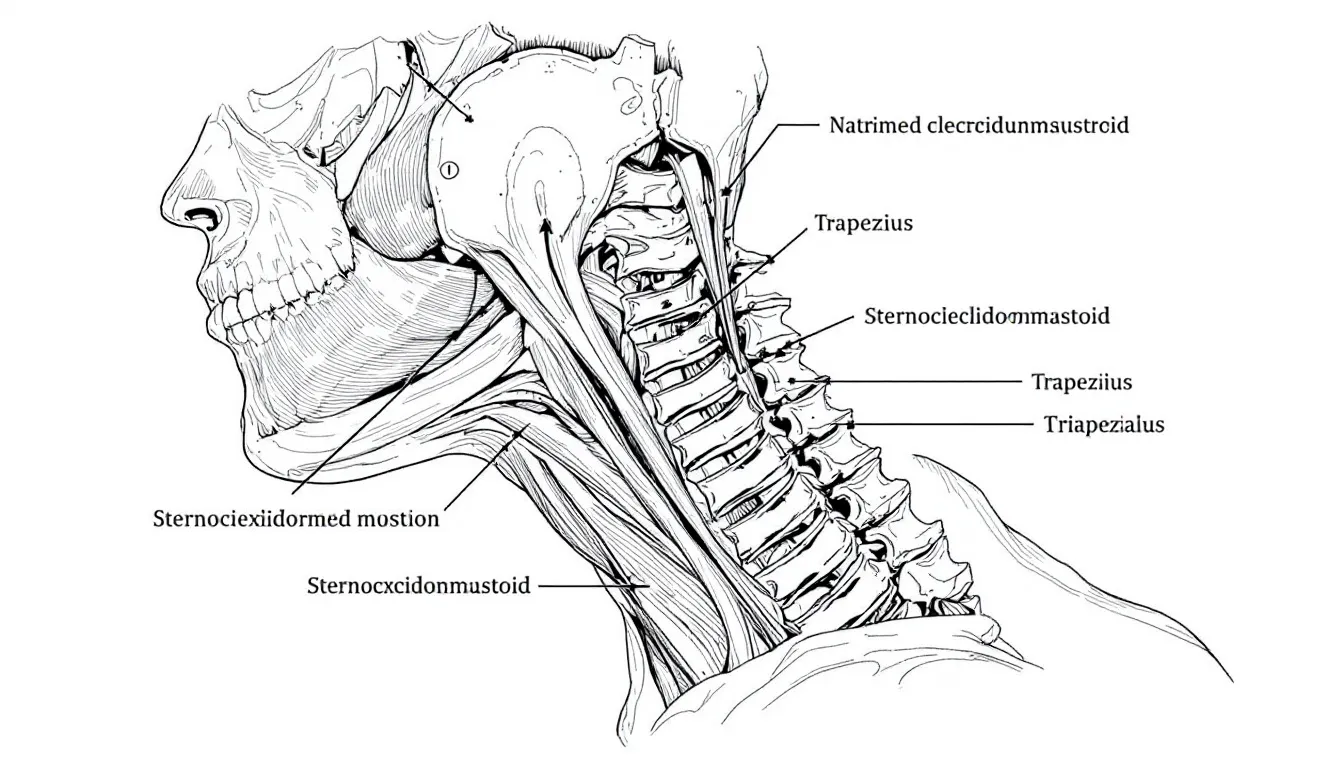
The medical community defines whiplash as a soft tissue injury affecting multiple structures within the cervical spine, including:
- Neck muscles that support and move the head
- Ligaments that connect vertebrae and provide stability
- Tendons that attach muscles to bones
- Intervertebral discs that cushion the spine
- Affected nerves that can become compressed or irritated
Whiplash is also medically known by several other terms:
- Cervical sprain (when ligaments are stretched or torn)
- Cervical strain (when muscles or tendons are injured)
- Neck sprain or neck strain
- Whiplash associated disorders (WAD) for chronic cases
The injury occurs because during sudden force, different parts of the body move at different speeds. The torso moves with the vehicle or object causing impact, while the head initially remains stationary due to inertia, creating dangerous stress on the delicate structures of the cervical spine.
Common Causes of Whiplash Injuries
Understanding what causes whiplash injuries helps explain why this neck injury is so prevalent and often unexpected. The sudden force required to create the characteristic whip-like neck movement can occur in various scenarios, though some situations pose significantly higher risks than others.
Motor Vehicle Accidents
Car accidents represent the overwhelming majority of whiplash cases, accounting for approximately 85% of all whiplash injuries. Rear-end collisions pose the greatest risk because they create the classic acceleration-deceleration pattern that forces the neck through dangerous ranges of motion.
When a vehicle is rear ended, the following sequence occurs:
- The struck vehicle suddenly accelerates forward
- The occupant’s torso moves forward with the seat
- The head remains stationary due to inertia, causing neck extension
- The head then rapidly accelerates forward, creating neck flexion
- This creates the damaging whip-like motion that injures soft tissues
Even relatively low-speed car crashes can produce significant whiplash injuries, particularly when the impact is unexpected and neck muscles aren’t tensed for protection.
Sports and Recreation
Contact sports create substantial whiplash injury risk through various mechanisms:
- Football – Tackling, blocking, and helmet-to-helmet contact
- Hockey – Body checks and collisions with boards
- Boxing and martial arts – Direct head and neck impacts
- Gymnastics – Falls and awkward landings
- Skiing and snowboarding – High-speed falls and collisions
Even roller coasters and amusement park rides can occasionally cause whiplash in susceptible individuals, particularly those with pre-existing neck conditions or when safety restraints are improperly adjusted.
Other Common Causes
Additional scenarios that can lead to whiplash include:
- Physical altercations or assaults
- Falls, especially backward falls
- Bicycle accidents
- Diving accidents in shallow water
- Workplace injuries involving sudden jolting motions
The key factor in all these situations is the presence of sudden acceleration-deceleration forces that cause the head to move rapidly in relation to the body, straining the cervical spine beyond its normal tolerance.
Recognizing Whiplash Symptoms
Whiplash symptoms often follow a characteristic pattern that can help distinguish this neck injury from other conditions. Understanding these symptoms is crucial because early recognition leads to better treatment outcomes and can prevent the development of chronic pain conditions.
Immediate vs. Delayed Symptom Onset
One of the most important aspects of whiplash symptoms is their timing. While some people experience immediate discomfort, many whiplash patients don’t develop symptoms until 24 to 72 hours after the initial trauma. This delay occurs because:
- Inflammation takes time to develop and peak
- Muscle guarding and spasm often worsen over the first few days
- Adrenaline during the accident can mask initial pain signals
- Microscopic tissue damage may not immediately cause noticeable symptoms
Primary Physical Symptoms
The most common symptoms of whiplash include:
Neck pain and stiffness – Often the first and most prominent symptom, typically worsening with neck movement and potentially radiating to the shoulders and upper back.
Reduced range of motion – Difficulty turning the head side to side or looking up and down due to muscle spasm and joint restriction.
Headaches – Often starting at the base of the skull and radiating forward, these can be severe and persistent.
Muscle spasms – Involuntary contractions of neck muscles as the body attempts to protect injured tissues.
Tenderness – Pain when pressing on neck muscles, particularly along the sides and back of the neck.
Neurological Symptoms
More severe whiplash injuries may involve neurological symptoms indicating nerve involvement:
- Numbness or tingling in the arms, hands, or fingers
- Weakness in the arms or hands
- Dizziness and balance problems
- Blurred vision or other visual disturbances
- Ringing in the ears (tinnitus)
Physical vs. Psychological Symptoms
Whiplash affects more than just physical structures – it can significantly impact mental and emotional well-being, particularly in cases involving trauma like car crashes.
Physical manifestations include:
- Neck pain and stiffness
- Muscle spasms and tenderness
- Headaches and fatigue
- Reduced neck movement
- Sleep disturbances due to discomfort
Psychological impacts may encompass:
- Anxiety, especially around driving or similar activities
- Depression related to chronic pain and lifestyle limitations
- Sleep disturbances from pain and psychological stress
- Memory problems and concentration difficulties
- Irritability and mood changes
The interaction between physical pain and psychological stress can create a cycle where each worsens the other, making comprehensive treatment essential for optimal recovery.
Types and Severity Grades of Whiplash
Medical professionals use a standardized grading system to classify whiplash injuries based on symptom severity and objective findings. This classification helps determine appropriate treatment plans and provides important prognostic information about expected recovery timelines.
The Quebec Task Force classification system remains the most widely used method for grading whiplash associated disorders:
|
Grade |
Description |
Symptoms and Signs |
|---|---|---|
|
Grade 0 |
No neck complaints |
No physical signs of injury |
|
Grade 1 |
Neck pain, stiffness, or tenderness |
No physical signs detected on examination |
|
Grade 2 |
Neck complaints |
Musculoskeletal signs including decreased range of motion and point tenderness |
|
Grade 3 |
Neck complaints |
Neurological signs such as decreased reflexes, weakness, or sensory deficits |
|
Grade 4 |
Neck complaints |
Fracture or dislocation visible on imaging |
Understanding Each Grade
Grade 0 and 1 whiplash represent mild injuries with good prognosis. Most people with Grade 1 injuries recover completely within 2-6 weeks with conservative treatment. These patients typically experience neck pain and stiffness without objective physical findings during medical examination.
Grade 2 whiplash indicates moderate injury with measurable physical signs. Patients show restricted neck movement, muscle spasm, and specific areas of tenderness. Recovery usually occurs within 6-12 weeks, though some patients may experience longer-lasting symptoms.
Grade 3 whiplash represents severe injury involving the nervous system. These patients require more intensive treatment and monitoring, as neurological symptoms indicate potential nerve compression or injury. Recovery timelines are typically longer and more variable.
Grade 4 whiplash involves structural damage visible on X-rays, CT scans, or MRI. These cases often require immediate treatment and may need surgical intervention depending on the extent of bone or joint damage.
The severity grading helps healthcare providers develop appropriate treatment plans and set realistic expectations for recovery. Higher grades generally require more intensive treatment and have longer recovery periods, though individual factors like age, pre-existing conditions, and overall health significantly influence outcomes.
Treatment Approaches for Whiplash
Effective whiplash treatment has evolved significantly over recent decades, moving away from prolonged immobilization toward active rehabilitation strategies that promote healing while maintaining function. The best treatment approach depends on injury severity, individual patient factors, and how quickly treatment begins after the initial trauma.
Immediate Care and Early Intervention
The first 24-48 hours after a whiplash injury are crucial for setting the foundation for optimal recovery. Immediate treatment focuses on controlling inflammation and preventing secondary complications:
Ice therapy should be applied for 15-20 minutes every 2-3 hours during the first 48 hours to reduce swelling and numb pain signals. After this initial period, alternating heat and ice often provides better pain relief and promotes blood flow to aid the healing process.
Gentle movement is encouraged rather than complete rest. Modern medical understanding shows that prolonged use of neck collars or complete immobilization can actually delay recovery and lead to muscle weakness and joint stiffness.
Pain management typically begins with over-the-counter nonsteroidal anti inflammatory drugs (NSAIDs) like ibuprofen or naproxen, which help control both pain and inflammation.
Conservative Treatment Options
For most whiplash patients, conservative treatments provide effective pain relief and promote full recovery:
Physical therapy represents the cornerstone of whiplash treatment. Skilled therapists develop individualized exercise programs targeting:
- Range of motion restoration
- Neck muscle strengthening
- Posture correction
- Movement pattern retraining
Chiropractic care can be beneficial for joint mobilization and spinal alignment, particularly when provided by practitioners experienced in treating whiplash injuries.
Massage therapy helps reduce muscle tension, improve blood flow, and alleviate pain, though it should be gentle during the acute phase of injury.
Medication Options
When conservative measures aren’t sufficient to alleviate pain, various medications may be helpful:
- NSAIDs for ongoing inflammation and pain control
- Muscle relaxants for severe muscle spasm and tension
- Prescription pain relievers for short-term use in severe cases
- Topical pain medications applied directly to the neck area
The goal is always to use the lowest effective dose for the shortest necessary duration to minimize side effects while providing adequate pain relief.
Advanced Treatment for Chronic Cases
For patients who develop chronic symptoms lasting beyond 3-6 months, more specialized interventions may be necessary:
Trigger point injections can provide relief for persistent muscle knots and areas of severe tenderness.
Nerve blocks may help when specific nerves are involved in ongoing pain signals.
Multidisciplinary pain management programs combine medical treatment, physical therapy, psychological support, and occupational therapy for comprehensive care.
Self-Care and Home Management
Patient education and self-management strategies play crucial roles in whiplash recovery:
Specific exercises that patients can perform at home include:
- Gentle neck rotations: Slowly turn head left and right within comfortable range
- Shoulder blade squeezes: Pull shoulder blades together to improve posture
- Chin tucks: Draw chin back to strengthen deep neck muscles
Proper sleeping positions are essential for recovery. Use a supportive pillow that maintains natural neck curvature, and avoid sleeping on the stomach, which forces the neck into rotation.
Heat and cold therapy can be continued at home. Apply cold for acute flare-ups and heat for muscle tension and stiffness.
Stress management techniques including deep breathing, meditation, and gentle stretching help break the pain-tension cycle that can perpetuate symptoms.
Ergonomic modifications at work and home reduce strain on healing tissues and prevent re-injury.
Recovery Timeline and Prognosis
Understanding realistic recovery expectations helps whiplash patients maintain appropriate expectations and stay motivated during the healing process. While individual recovery varies significantly, research provides helpful guidelines for typical recovery patterns and factors that influence outcomes.
Typical Recovery Patterns
85-90% of whiplash patients experience substantial improvement and return to normal activities within 3 months of injury. This statistic provides encouragement for most people dealing with acute whiplash symptoms.
Peak symptom intensity typically occurs within the first week after injury, followed by gradual improvement. However, some patients experience a temporary worsening of symptoms around day 3-5 as inflammation peaks.
Return to normal activities often follows this general timeline:
- Week 1-2: Focus on pain management and gentle movement
- Week 3-6: Progressive increase in daily activities and exercise
- Week 6-12: Return to most normal activities including work and recreation
- 3+ months: Complete recovery for the majority of patients
Factors Affecting Recovery
Several factors significantly influence how quickly and completely someone recovers from a whiplash injury:
Age plays a crucial role, with younger patients generally recovering faster and more completely than older individuals. Patients over 65 may require longer recovery periods and more intensive treatment.
Pre-existing conditions such as arthritis, previous neck injuries, or chronic pain conditions can complicate recovery and extend healing timelines.
Injury severity directly correlates with recovery time. Grade 1 injuries typically resolve within weeks, while Grade 3 injuries may require months of treatment.
Treatment timing significantly impacts outcomes. Patients who receive appropriate treatment within the first few days generally have better prognoses than those with delayed treatment.
Psychological factors including anxiety, depression, and stress levels can either facilitate or hinder recovery depending on how well they’re managed.
Work demands and the ability to modify activities during recovery influence outcomes. Jobs requiring heavy lifting, prolonged computer use, or repetitive neck movements may require longer recovery periods.
Chronic Whiplash Syndrome
Unfortunately, 10-15% of whiplash patients develop chronic symptoms lasting longer than 6 months. This condition, known as chronic whiplash syndrome or chronic whiplash associated disorders, can significantly impact quality of life and may require specialized long-term management.
Risk factors for developing chronic symptoms include:
- High initial pain intensity
- Rapid onset of symptoms after injury
- Older age at time of injury
- Pre-existing psychological conditions
- Delayed treatment initiation
- Multiple previous whiplash injuries
Patients with chronic whiplash often benefit from multidisciplinary treatment approaches combining medical management, physical therapy, psychological support, and sometimes vocational rehabilitation.
The development of chronic symptoms doesn’t necessarily indicate severe structural damage – many patients with chronic pain have normal imaging studies. This emphasizes the complex nature of pain perception and the importance of addressing both physical and psychological aspects of recovery.
When to Seek Medical Attention
Knowing when to seek immediate medical care versus when to try conservative home treatment can be crucial for whiplash patients. While many neck injuries can be managed conservatively, certain warning signs indicate the need for urgent medical evaluation to rule out serious complications.
Emergency Warning Signs
Seek immediate emergency room attention if you experience any of these symptoms after a potential whiplash injury:
Severe headache that is different from your usual headaches or rapidly worsening. This could indicate increased intracranial pressure or other serious head injury.
Loss of consciousness at any time after the injury, even briefly, requires immediate medical evaluation to rule out traumatic brain injury.
Numbness or weakness in the arms, hands, or fingers may indicate nerve compression or spinal cord involvement requiring urgent assessment.
Severe neck pain that prevents any neck movement or is associated with muscle rigidity could indicate fracture or serious ligament injury.
Difficulty swallowing or speaking may suggest injury to structures in the throat or neurological complications.
Persistent dizziness or balance problems that don’t improve with rest may indicate inner ear injury or concussion.
Memory problems or confusion beyond what might be expected from shock or stress could indicate traumatic brain injury.
Recommended Medical Evaluation
See a healthcare provider within 24-48 hours if you experience:
- Moderate to severe neck pain following any trauma
- Significant stiffness that limits your ability to perform daily activities
- Headaches that persist or worsen over time
- Any neurological symptoms like tingling or numbness
- Pain that radiates into the shoulders, arms, or upper back
- Sleep disturbances due to pain or discomfort
Early medical evaluation is particularly important for:
- Anyone over age 65
- People with pre-existing neck problems or arthritis
- Those taking blood-thinning medications
- Individuals with a medical history of previous neck injuries
The Importance of Proper Diagnosis
Professional medical evaluation serves several critical purposes in whiplash management:
Ruling out fractures or other structural damage that might not be immediately apparent but could cause serious complications if missed.
Establishing baseline documentation of your injury for insurance purposes and to track recovery progress over time.
Developing an appropriate treatment plan based on injury severity and individual risk factors.
Identifying red flag symptoms that might indicate complications requiring specialized care.
Providing education about expected recovery timeline and warning signs to watch for during healing.
Follow-up Care Considerations
Even if initial symptoms seem mild, follow-up medical care is recommended if:
- Symptoms worsen rather than improve after 2-3 days
- New symptoms develop during the recovery period
- Pain significantly interferes with sleep or daily activities
- You’re unable to return to normal activities within 1-2 weeks
- Psychological symptoms like anxiety or depression develop
Remember that some whiplash symptoms can be delayed, so continued monitoring during the first weeks after injury is important for optimal outcomes.
Healthcare providers can also provide valuable guidance about activity modification, when to return to work or sports, and how to prevent future injuries.
Conclusion
Understanding the meaning of whiplash extends far beyond recognizing it as a simple “neck injury.” This complex condition affects multiple anatomical structures and can have significant impacts on both physical and psychological well-being. From the characteristic whip-like motion that gives the injury its name to the intricate interplay of muscles, ligaments, nerves, and joints in the cervical spine, whiplash represents a sophisticated medical condition requiring proper understanding and treatment.
The key to successful whiplash management lies in early recognition, appropriate medical evaluation, and prompt initiation of evidence-based treatment. While the majority of whiplash patients recover completely within 3 months, understanding risk factors for chronic pain and knowing when to seek medical attention can significantly improve outcomes and prevent long-term complications.
Whether you’re recovering from a recent car accident, participate in contact sports, or simply want to be informed about this common injury, remember that whiplash is a legitimate medical condition deserving proper attention and care. Don’t ignore persistent symptoms or delay seeking treatment if you suspect you’ve experienced a whiplash injury – early intervention often makes the difference between quick recovery and chronic pain.
If you’re currently experiencing neck pain or other symptoms following any type of trauma, consult with a healthcare provider to ensure proper diagnosis and develop an appropriate treatment plan tailored to your specific needs and circumstances.