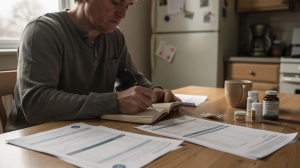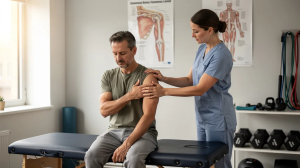
Every workplace incident demands immediate attention and proper documentation. Whether you’re an employer responsible for safety compliance or an employee who witnessed an accident, understanding how to create accurate work related accident reports is crucial for protecting everyone involved. These documents serve as the foundation for workers compensation claims, OSHA compliance, and most importantly, preventing future accidents from occurring in your workplace.
In this comprehensive guide, we’ll walk you through everything you need to know about accident reporting requirements, from initial documentation to final submission. You’ll discover the essential components that every report must include, learn step-by-step procedures for investigating incidents, and understand how proper reporting can protect both your organization and your workers while ensuring full legal compliance.
What is a Work-Related Accident Report
A work-related accident report is official documentation of workplace incidents including injuries, near-misses, property damage, and fatalities. This formal document serves multiple crucial purposes within any organization, regardless of company size or industry. When an incident occurs, creating a comprehensive report ensures that all parties have access to accurate information about what happened, when it occurred, and the circumstances surrounding the event.
The primary purpose of these reports extends far beyond simple record-keeping. They function as legal requirements under OSHA regulations for businesses to maintain accurate records of workplace incidents. Every employer must understand that these documents become critical tools for identifying hazards, preventing future accidents, and protecting both employees and the organization itself.

These formal records directly support workers’ compensation claims and regulatory compliance efforts. When an injured worker requires medical attention, the accident report becomes the foundation for the entire claim process. Insurance companies, medical facilities, and legal representatives all rely on the detailed description provided in these documents to determine appropriate compensation and medical treatment plans.
The documentation serves as crucial evidence that can assist organizations in analyzing trends and patterns. By maintaining comprehensive records of all incidents, companies can identify contributing factors that led to accidents and implement corrective measures to prevent similar incidents in the future. This proactive approach to safety management helps create safer work environments while reducing costs associated with workplace injuries and workers compensation claims.
OSHA Reporting Requirements and Legal Obligations
Understanding OSHA jurisdiction and reporting requirements is essential for every employer operating in the United States. The legal obligations surrounding workplace incident reporting are specific, with strict deadlines that organizations must follow to remain compliant. Failure to file reports in a timely manner can result in significant penalties and legal complications for any business.
Fatalities must be reported to OSHA within 8 hours of occurrence regardless of company size. This requirement applies to all employers under OSHA jurisdiction, whether you operate a small local business or manage a large corporation across multiple industries. When a workplace fatality occurs, the employer must immediately notify OSHA through their 24-hour hotline at 1-800-321-OSHA (6742) or submit the notification online.
Severe injuries requiring hospitalization, amputations, or eye loss must be reported within 24 hours. These incidents include any work related hospitalization that keeps a patient overnight for medical treatment, any amputation of body parts, or complete loss of an eye. The injured worker doesn’t need to be an employee of your company – if the incident occurred at your workplace and involved contractors, temporary workers, or visitors, you must still notify OSHA within the required timeframe.

OSHA Form 300 log must document all recordable injuries within 7 calendar days of notification. This comprehensive record tracks every workplace injury and illness that requires medical attention beyond basic first aid. The form captures essential details about the injured worker, the nature of the injury, and the circumstances that led to the incident. Organizations must maintain this log throughout the year, adding new incidents as they occur.
Annual OSHA Form 300A summary must be posted from February 1 to April 30 each year. This summary provides a yearly overview of all recorded workplace injuries and illnesses, allowing employees and visitors to understand the safety performance of the organization. The posting requirement ensures transparency and demonstrates the company’s commitment to occupational safety.
Records must be maintained on-site for 5 years and made available for inspection. OSHA compliance officers have the authority to review these documents during workplace inspections. Organizations should establish secure filing systems that protect worker privacy while ensuring easy access for regulatory reviews. Electronic storage is acceptable, but companies must be able to produce physical copies when requested by OSHA representatives.
Essential Components of Work-Related Accident Reports
Creating comprehensive incident reports requires gathering specific information that tells the complete story of what happened. Every report must include detailed documentation that enables thorough analysis and supports effective corrective actions. The quality of information collected in the initial report directly impacts the organization’s ability to prevent similar incidents and protect workers in the future.
Date, time, and exact location of the incident must include specific work area or equipment details. Record not just the general location like “warehouse” but specify “Loading Dock 3, near the east wall conveyor belt.” This level of detail helps investigators understand environmental factors and allows the organization to implement targeted safety measures. Include information about lighting conditions, weather if applicable, and any unique circumstances that may have contributed to the accident.
Names and contact information of injured parties, witnesses, and supervisors present should be collected immediately while everyone is still on-site. Document phone numbers, email addresses, and home addresses for all parties involved. This information becomes crucial when investigators need to conduct follow-up interviews or when insurance companies require witness statements for the claim process.
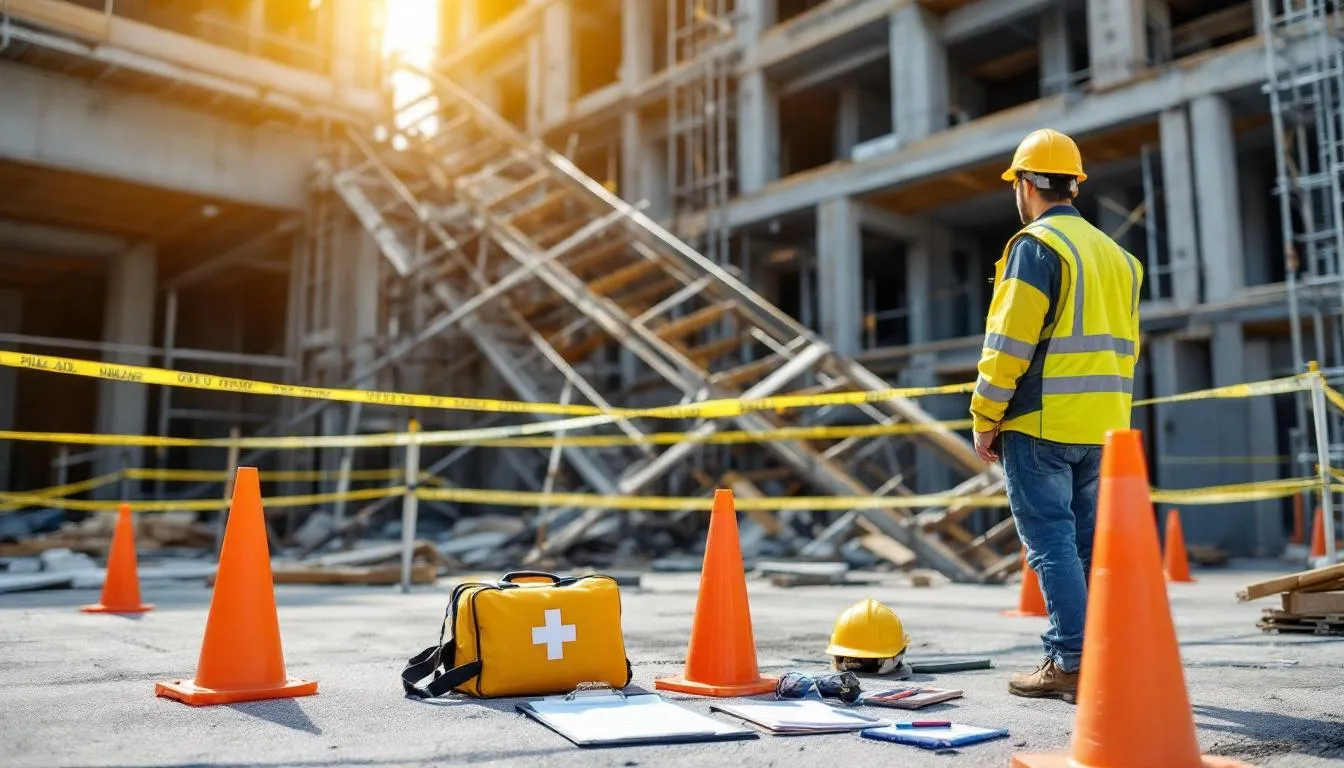
Complete sequence of events leading to the accident must use objective, factual language without speculation or blame. Describe exactly what the injured worker was doing at the time of the incident, including their specific job duties and any training they had received. Document the step-by-step progression of events, noting any deviations from standard procedures or unexpected circumstances that contributed to the accident.
Nature and extent of injuries, including body parts affected and medical attention required, should be documented with as much information as possible. Describe visible injuries, the injured worker’s complaints of pain or discomfort, and any immediate medical treatment provided on-site. If the worker was transported to a medical facility, include details about the hospital or clinic, the treating physician, and any initial diagnosis provided.
Environmental conditions such as weather, lighting, noise levels, and workplace hazards must be carefully documented. Note whether safety equipment was available and being used properly, if any machinery was malfunctioning, and whether the work area met standard safety requirements. These factors often play crucial roles in determining contributing factors and developing effective prevention strategies.
Equipment, tools, or machinery involved in the incident and their condition should be thoroughly documented before anything is moved or repaired. Take photographs from multiple angles, noting any visible damage, wear patterns, or mechanical issues. Include information about recent maintenance, operator training, and whether the equipment was being used for its intended purpose.
Investigating and Analyzing the Incident
Effective incident investigation goes beyond simply recording what happened – it requires identifying root causes including equipment failure, human error, inadequate training, or unsafe conditions. This analytical process helps organizations understand not just the immediate circumstances but the underlying factors that created the conditions for an accident to occur. Proper analysis leads to more effective corrective actions and better protection for all workers.
The investigation should determine if existing safety procedures were followed and if they were adequate for the situation. Review written policies, training records, and standard operating procedures to understand whether the injured worker had received proper instruction and whether company procedures addressed the specific hazards involved in the incident. This analysis often reveals gaps in training programs or outdated safety protocols that need updating.
Assess whether personal protective equipment was available, required, and properly used according to company policy and industry standards. Document the type and condition of safety equipment that should have been worn, whether it was provided by the employer, and if the worker had received training on its proper use. This information helps determine if equipment failure, improper usage, or inadequate policies contributed to the injury.
Review similar past incidents to identify patterns or recurring safety issues within the organization. Examine previous accident reports, near-miss incidents, and safety complaints to understand whether this type of accident has occurred before. Pattern analysis helps organizations recognize systemic problems that require broader corrective action beyond addressing the immediate incident.
Develop corrective actions and prevention strategies based on findings from the investigation. Create specific, measurable action items with assigned responsibilities and deadlines. These might include equipment repairs, additional training programs, policy updates, or engineering controls. Effective corrective actions address both immediate hazards and underlying causes to prevent similar incidents from happening again.
Documenting Injuries and Medical Treatment
Accurate injury documentation requires recording specific injury details including body parts affected, type of injury, and severity level. Use precise medical terminology when possible, but avoid making diagnoses unless you’re qualified medical personnel. Describe visible injuries objectively, noting location, size, and appearance without speculating about internal damage or long-term effects that require professional medical evaluation.
Document immediate medical care provided on-site by trained personnel or first responders. Include details about first aid treatment, emergency response actions, and any medications administered. Note the names and qualifications of anyone who provided medical assistance, as this information may be needed for insurance claims or legal proceedings related to the incident.
Include information about medical facility visited, treating physician, and prescribed treatment plan when the injured worker requires professional medical attention. Document the name and address of the hospital, clinic, or doctor’s office, along with contact information for healthcare providers. This information helps coordinate ongoing medical care and ensures proper communication between the employer, insurance carrier, and medical professionals.
Track follow-up medical appointments, work restrictions, and return-to-work status throughout the injured worker’s recovery period. Maintain communication with healthcare providers to understand any limitations on the employee’s ability to perform their regular job duties. This ongoing documentation supports effective return-to-work programs and helps prevent re-injury when workers return to their normal responsibilities.
Maintain confidentiality of medical information while ensuring proper documentation for legal and insurance purposes. Share medical details only with personnel who have a legitimate business need to know, such as supervisors managing work assignments or insurance representatives processing claims. Establish secure filing procedures that protect the injured worker’s privacy while meeting legal requirements for record retention.
Step-by-Step Process for Creating Accident Reports
Creating effective accident reports requires following a structured process that ensures all crucial information is captured accurately and submitted in a timely manner. The quality of your initial response and documentation efforts directly impacts the effectiveness of your investigation and the success of any subsequent legal or insurance proceedings.
Immediate response priorities include securing the scene, providing first aid, and calling emergency services if needed. Before beginning any documentation efforts, ensure that the injured worker receives appropriate medical attention and that the accident scene is safe for investigators and other workers. Control access to the area to prevent contamination of evidence and additional accidents from occurring in the same location.
Gather preliminary information within 24 hours while details are fresh in memory for all parties involved. Interview the injured worker as soon as their medical condition permits, focusing on their recollection of events leading up to the incident. Document their account while avoiding leading questions that might influence their responses. Fresh memories provide the most accurate information about what actually happened.

Interview injured employee, witnesses, and any supervisors who observed the incident or were responsible for the work area. Conduct separate interviews to avoid influence between parties, and ask open-ended questions that allow each person to provide their complete account of events. Document direct quotes when possible, as these provide valuable insight into the circumstances and contributing factors involved.
Document physical evidence through photographs, measurements, and equipment inspection before anything is moved or repaired. Take pictures from multiple angles, including wide shots showing the overall scene and close-up images of specific hazards or equipment involved. Measure distances, heights, and other relevant dimensions that might help explain how the accident occurred.
Complete formal report using company templates or OSHA-approved forms within the required timeframes. Ensure that all sections of the form are completed accurately and that supporting documentation is attached. Review the completed report for accuracy and completeness before submission, checking that all facts are consistent and that no crucial information has been omitted.
Submit report to appropriate personnel including HR, safety manager, and workers’ compensation carrier according to your organization’s procedures. Maintain copies of all submitted documents and track confirmation of receipt from each recipient. Proper submission ensures that all parties have the information they need to process claims and implement corrective actions effectively.
Types of Work-Related Incidents Requiring Reports
Understanding which workplace events require formal documentation helps ensure complete compliance with reporting requirements and comprehensive safety management. Different types of incidents may have varying reporting thresholds and procedures, but maintaining consistent documentation practices across all categories creates better safety awareness and more effective prevention programs.
Recordable injuries resulting in medical treatment beyond first aid, lost work time, or restricted duties must be documented according to OSHA standards. These include any injury requiring prescription medication, physical therapy, diagnostic procedures like X-rays or MRIs, or treatment by licensed healthcare providers. Even minor injuries that require medical attention create learning opportunities and should be thoroughly investigated.
Near-miss incidents with potential for serious injury or property damage deserve the same attention as actual accidents. These events provide valuable insight into workplace hazards without the cost and trauma of actual injuries. Document near-misses thoroughly, including analysis of what prevented the incident from becoming a serious accident and what changes could eliminate the hazard entirely.
Occupational illnesses caused by workplace exposures to chemicals, noise, or repetitive motions often develop over time and may not be immediately obvious. These conditions require careful documentation of exposure levels, duration of contact, and the progression of symptoms. Work with medical professionals to establish connections between workplace conditions and employee health problems.

Property damage incidents affecting equipment, vehicles, or facilities over $1,000 in value should be documented using similar procedures as injury reports. These incidents often indicate underlying safety problems that could lead to future accidents involving workers. Analyze equipment failures, vehicle accidents, and facility damage to identify patterns and prevent escalation to injury-causing events.
Security incidents including workplace violence, threats, or unauthorized access require immediate documentation and response. These events affect the safety and well-being of all employees and may require coordination with law enforcement agencies. Document threats, aggressive behavior, and security breaches thoroughly to support appropriate disciplinary action and safety improvements.
Environmental incidents such as chemical spills, gas leaks, or hazardous material releases may require reporting to multiple agencies beyond OSHA. These events can affect both workers and the surrounding community, making accurate documentation crucial for emergency response and regulatory compliance. Coordinate with environmental agencies and emergency responders to ensure comprehensive incident management.
Best Practices for Effective Accident Reporting
Implementing consistent best practices in accident reporting creates more effective safety programs and better protection for all workers. Quality reporting requires attention to detail, proper training, and organizational commitment to using incident data for continuous improvement. These practices help ensure that reports provide maximum value for prevention efforts and legal compliance.
Submit reports within 24-48 hours to ensure accuracy and meet legal requirements established by OSHA and workers’ compensation carriers. Prompt reporting while memories are fresh produces more accurate information and demonstrates the organization’s commitment to safety. Delays in reporting can result in lost details, regulatory penalties, and complications with insurance claims.
Use objective, factual language avoiding speculation, blame, or personal opinions that could compromise the investigation or create legal problems. Focus on describing what happened rather than why it happened or who was at fault. Let the investigation process determine causation and responsibility based on evidence rather than assumptions or preliminary impressions.
Include all relevant details even if they seem minor or unrelated to the injury at first glance. Small details often provide crucial insight into contributing factors and help investigators understand the complete sequence of events. Information that seems unimportant initially may become significant as the investigation progresses and patterns emerge.
Attach supporting documents such as photos, witness statements, and equipment maintenance records that provide additional context and evidence. These materials help paint a complete picture of the incident and support the accuracy of the written report. Organize supporting documentation clearly and reference it appropriately within the main report narrative.

Proofread reports for accuracy, completeness, and clarity before submission to ensure professional quality and legal compliance. Have a second person review critical reports to catch errors or omissions that the original author might miss. Clear, accurate reports facilitate better investigations and more effective corrective actions.
Train supervisors and employees on proper reporting procedures and company expectations for incident documentation. Regular training ensures that everyone understands their responsibilities and knows how to respond appropriately when incidents occur. Well-trained personnel create more effective reporting systems and better safety outcomes for the entire organization.
Submission and Follow-Up Procedures
Proper submission and follow-up procedures ensure that accident reports reach all necessary parties and that corrective actions are implemented effectively. Establishing clear protocols for document distribution and tracking helps organizations maintain compliance while maximizing the safety benefits of their reporting efforts.
Submit completed reports to immediate supervisor, HR department, and safety manager simultaneously to ensure coordinated response efforts. Each recipient has specific responsibilities in the incident management process, and timely communication enables effective coordination. Establish clear procedures for who receives reports and what actions each party should take upon receipt.
Forward copies to workers’ compensation insurance carrier within required timeframes to support claim processing and coverage decisions. Insurance carriers need complete, accurate information to process claims efficiently and provide appropriate benefits to injured workers. Delays in providing documentation to insurers can slow claim processing and create problems for injured employees.
File reports with state workers’ compensation boards as required by local regulations that may vary by jurisdiction and industry. Some states require direct filing by employers, while others rely on insurance carrier reporting. Understand the specific requirements in your jurisdiction and establish procedures to ensure compliance with all applicable regulations.
Maintain original reports in employee files and safety records for minimum 5-year retention period required by OSHA and other regulatory agencies. Establish secure filing systems that protect confidential information while ensuring easy retrieval for inspections or legal proceedings. Consider electronic storage systems that provide backup protection and search capabilities.
Schedule follow-up reviews within 30 days to assess corrective action effectiveness and ensure that implemented changes are working as intended. Monitor workplace conditions and employee behavior to verify that corrective measures are preventing similar incidents. Adjust prevention strategies based on follow-up observations and feedback from workers.
Communicate findings and prevention measures to all relevant employees and departments to maximize the learning value of each incident. Share lessons learned through safety meetings, training programs, and written communications that help prevent similar accidents throughout the organization. Effective communication turns individual incidents into organization-wide learning opportunities.
Common Mistakes to Avoid in Accident Reporting
Understanding common reporting mistakes helps organizations create more effective documentation systems and avoid problems that can compromise safety programs or legal compliance. Many mistakes stem from inadequate training, time pressure, or misunderstanding of reporting requirements. Learning from these common errors improves the quality and effectiveness of accident reporting programs.
Delaying report submission beyond legal deadlines due to incomplete investigation can result in regulatory penalties and complications with insurance claims. While thorough investigation is important, initial reports should be filed within required timeframes even if some details are still being gathered. Supplemental reports can provide additional information as investigations progress without missing critical deadlines.
Including speculation about fault or blame rather than objective facts creates legal risks and undermines the value of incident reports for safety improvement. Focus on describing what happened rather than making judgments about responsibility or causation. Let investigation findings determine fault based on evidence rather than initial impressions or assumptions.
Omitting witness statements or failing to interview all relevant parties creates incomplete pictures of incidents and may miss crucial information needed for effective prevention. Even witnesses who saw only part of an incident can provide valuable insight into contributing factors or environmental conditions. Thorough witness interviews often reveal information that contradicts initial assumptions about what happened.

Inadequate documentation of scene conditions and contributing environmental factors limits the organization’s ability to prevent future accidents. Environmental conditions like lighting, weather, noise levels, and workspace layout often play crucial roles in accident causation. Document these factors thoroughly, even when their relevance isn’t immediately obvious.
Failing to report near-miss incidents that could prevent future serious accidents represents missed opportunities for proactive safety improvement. Near-misses provide early warning of potential hazards without the cost and trauma of actual injuries. Organizations that actively investigate and report near-misses typically experience fewer serious accidents over time.
Using vague language that doesn’t clearly describe the sequence of events makes reports less useful for investigation and prevention efforts. Specific, detailed descriptions enable better analysis and more effective corrective actions. Avoid general terms like “accident happened” in favor of precise descriptions of each step in the incident sequence.
The most effective accident reporting programs treat each incident as a learning opportunity that can improve safety for all workers. By avoiding these common mistakes and implementing comprehensive reporting procedures, organizations create safer work environments while meeting their legal obligations. Remember that the goal of accident reporting extends far beyond compliance – these documents should drive continuous improvement in workplace safety and protect the health and well-being of every employee.
Quality accident reporting requires commitment from every level of the organization, from frontline supervisors who conduct initial investigations to senior managers who ensure adequate resources for safety programs. When done properly, work related accident reports become powerful tools for creating safer workplaces and protecting the most valuable asset of any organization – its people.