The rapid expansion of wind energy across Texas has brought both economic benefits and safety concerns to rural communities. Buffalo Gap Wind Farm injuries and recent fire incidents have highlighted the complex safety challenges facing the wind energy industry. While no recent injuries have been reported at the facility, property damage and community safety concerns have raised important questions about wind turbine fire risks and emergency response protocols.
Located near Abilene, Texas, the Buffalo Gap facility represents one of the state’s significant renewable energy investments. However, like many wind farms across the country, it has experienced safety incidents that demonstrate the ongoing need for improved fire prevention, worker protection, and community emergency preparedness.
Recent Fire Incidents and Safety Concerns
The most significant recent safety incident at Buffalo Gap Wind Farm occurred on July 13, 2020, when a wind turbine caught fire and sparked what became known as the Game Ranch Fire. The blaze started at Turbine 46 and rapidly spread across the surrounding landscape, ultimately burning approximately 3,000 to 3,200 acres in Nolan County.

The fire broke out during extreme heat conditions with strong winds that accelerated the spread from the initial turbine fire to the surrounding grass and brush. Melted sections fell from the burning turbine, creating additional hot spots that challenged firefighting efforts. The fire department responded with multiple units, but the combination of remote location, turbine height, and weather conditions made containment difficult.
Shane Robertson, a local property owner, expressed serious concerns about the incident’s impact on family and community safety. “The financial reward isn’t worth risking our family’s safety,” Robertson stated, reflecting growing community concerns about wind farm fire risks. The incident eventually burned extensive acreage and required coordination between multiple emergency response agencies.
AES Corporation, which operates the Buffalo gap facility, acknowledged the fire incident but emphasized that no injuries were reported. The company pointed to unusual weather conditions as a contributing factor and outlined their ongoing safety protocols. However, the scale of property damage highlighted the potential for wind turbine fires to create significant secondary risks beyond the immediate facility.
Buffalo Gap Wind Farm Overview and Operations
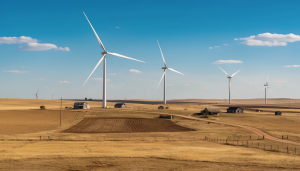
The Buffalo Gap Wind Farm spans across Nolan and Taylor Counties in west Texas, featuring nearly 300 wind turbines that produce renewable electricity for the regional grid. Operated by AES Corporation, the facility represents a substantial investment in clean energy infrastructure and provides economic benefits to local landowners through lease agreements.
The facility conducted regular maintenance operations on an ongoing basis, including biannual inspections of all turbines and continuous monitoring of equipment performance. These maintenance activities involve workers accessing turbine blades, nacelles, and internal components at significant heights, creating inherent safety risks that require careful management.
AES facility operations include comprehensive safety protocols designed to protect workers and minimize risks to the surrounding community. The company has invested in advanced monitoring technology and equipment to detect potential problems before they result in accidents or injuries. However, the remote location in Mulberry Canyon and across rural areas presents unique challenges for emergency response and safety management.
The wind farm has brought substantial economic benefits to the region, providing landowner payments and supporting local jobs. However, recent fire incidents have prompted discussions about balancing these economic advantages with safety concerns for workers and nearby residents.
Historical Safety Incidents at Wind Farms
Wind turbine fire incidents occur with varying frequency across the industry, with studies indicating rates ranging from 1 in 2,000 to 1 in 15,000 turbines annually. These statistics highlight that while fires are relatively rare events, they represent a persistent safety concern that affects both workers and surrounding communities.
Fire incidents rank as the second most common type of wind turbine accident after blade failure, according to industry reports. The combination of electrical equipment, flammable materials, and challenging access for emergency response creates unique risks that differ from conventional power generation facilities.
International incidents provide sobering context for wind farm safety concerns. At the Piet de Wit Wind Farm in the Netherlands, two maintenance workers tragically died when they became trapped in a burning nacelle. Such incidents underscore the life-threatening risks that maintenance workers face when fires occur in wind turbines.
Industry experts have raised concerns about underreporting of wind turbine incidents and injuries, suggesting that actual accident rates may be higher than published statistics indicate. This lack of transparent reporting affects the ability to accurately assess risks and develop appropriate safety measures.
Specific Buffalo Gap Fire Incidents
Prior to the 2020 Game Ranch Fire, Buffalo Gap experienced another significant fire incident on August 26, 2019, known as the Rhodes Ranch 3 Fire. This earlier incident burned approximately 250 acres near Abilene and demonstrated the ongoing fire risks at the facility.
The 2019 fire started when new turbines experienced equipment failure that ignited surrounding brush. Firefighting efforts faced challenges due to the remote canyon location and the height of the burning turbine, which made direct suppression impossible. Emergency responders had to focus on containing the blaze and protecting surrounding property rather than directly extinguishing the turbine fire.
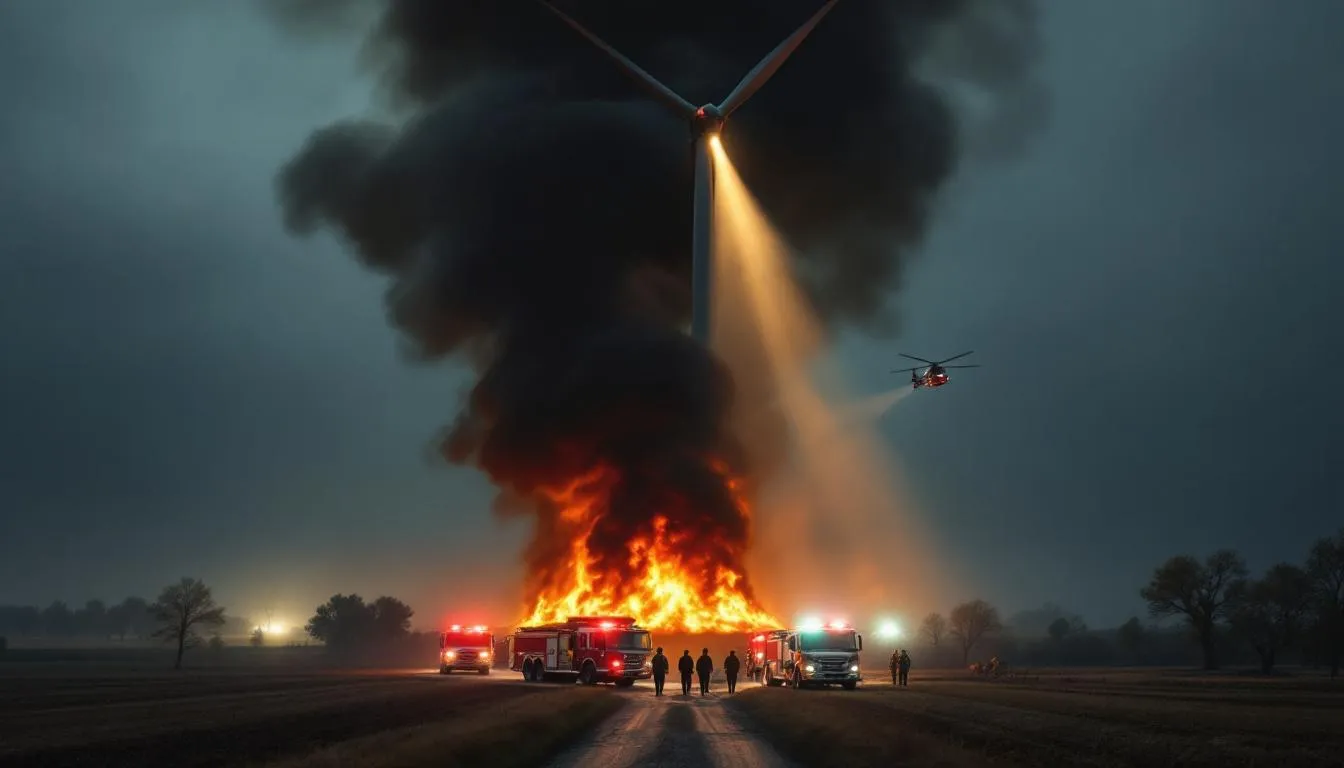
Fire retardants and aerial water drops from helicopter were used to control the fire’s spread. The incident resulted in total turbine loss but achieved 90% fire containment within two days through coordinated response efforts from multiple fire departments and emergency services.
These repeated fire incidents at Buffalo Gap highlight the persistent nature of wind turbine fire risks and the challenges of preventing and responding to such emergencies in remote wind farm locations.
Safety Risks and Prevention Measures
Wind turbine fires typically originate from several common sources, including electrical arcs in the nacelle, transformer faults, and lightning strikes. The nacelle houses flammable materials such as hydraulic oil, plastics, and lubricants that can fuel intense fires once ignited. These materials, combined with the turbine’s height and remote location, create unique firefighting challenges.
Extreme heat conditions common during Texas summers significantly increase fire risk at wind facilities. High temperatures stress electrical components and increase the likelihood of equipment failure that can trigger fires. Strong winds that are beneficial for power generation can rapidly spread fires once they start, as demonstrated in the Buffalo Gap incidents.
Modern wind turbines increasingly incorporate automatic fire suppression systems designed for early detection and control of fires. These systems include sensors that monitor for smoke, heat, and electrical faults, along with suppression mechanisms that can deploy fire retardants directly in the nacelle.
Emergency response protocols require coordination between wind farm operators and local fire departments. However, the height of wind turbines and limited access roads can complicate response efforts. Fire departments often focus on perimeter control rather than direct suppression of turbine fires, which typically must burn out on their own.
Manufacturing companies have developed improved fire prevention technology, but implementing these upgrades across existing facilities requires significant investment. The challenge lies in balancing manufacturer’s recommended standards with the costs of retrofitting older equipment to meet current safety expectations.
Impact on Workers and Local Community
Worker safety protocols during maintenance and inspection activities have evolved significantly at wind facilities like Buffalo Gap. The facility has implemented comprehensive safety training programs and equipment requirements to protect technicians working at dangerous heights around heavy machinery.
Since 2014, Buffalo Gap has utilized unmanned aerial systems (UAS) for turbine inspections, significantly reducing worker exposure to dangerous rappelling and ground inspection methods. This technology allows detailed monitoring of turbine blades and structures without requiring workers to climb or use risky access methods.
The shift to drone-based inspections has eliminated many situations where workers previously faced fall risks and exposure to moving turbine components. Regular maintenance still requires human intervention, but UAS technology has reduced the frequency and duration of high-risk activities.

Local property owners like Tracy Jarvis and Jim Albert have expressed mixed feelings about wind farm operations in their area. While many appreciate the economic benefits, concerns about family safety and property damage from fire incidents have grown following recent accidents.
Community emergency preparedness has become increasingly important as wind farms expand across rural Texas. Local fire departments have had to develop new response protocols and acquire specialized equipment to address wind turbine emergencies effectively.
The process of evacuating residents during large wind turbine fires requires coordination between wind farm operators, emergency services, and local authorities. Clear communication and pre-established procedures are essential for protecting community safety during emergency situations.
Industry Response and Future Safety Improvements
The wind energy industry faces mounting pressure for transparent reporting of wind turbine incidents and injuries. Current reporting practices vary significantly between companies and jurisdictions, making it difficult to assess true safety performance and identify areas for improvement.
Advancing technology offers promising solutions for fire detection and prevention systems. New sensors can detect electrical faults and overheating conditions before they lead to fires, while improved fire suppression systems can respond more quickly and effectively to emerging threats.
Improved maintenance practices using drone inspections and data analytics help identify potential problems before they result in accidents. Predictive maintenance programs can schedule repairs and replacements before equipment reaches failure points that might trigger fires or other safety incidents.
Regulatory oversight and safety standards for wind farm operations continue to evolve as the industry matures. Government agencies are developing more comprehensive requirements for fire prevention, emergency response, and incident reporting to improve overall safety performance.
Climate change considerations add complexity to wind farm safety planning, as extreme weather events become more frequent and severe. Aging turbine infrastructure across Texas and other states requires ongoing investment in safety upgrades and replacement programs.
The wind energy sector must balance rapid expansion with adequate safety investment to maintain public support and protect workers. Companies like AES Corporation face ongoing challenges in managing costs while implementing comprehensive safety improvements across their facilities.
Future safety improvements will likely focus on better integration between automated safety systems, emergency response protocols, and community preparedness programs. The goal is creating a comprehensive approach that protects workers, nearby residents, and property while maintaining the economic and environmental benefits of wind energy.
The Buffalo Gap Wind Farm injuries and safety concerns reflect broader challenges facing the renewable energy industry as it continues expanding across Texas and beyond. While significant progress has been made in worker protection and fire prevention, ongoing investment in safety technology and transparent reporting remains essential for maintaining community trust and ensuring sustainable growth of wind energy resources.